BARZOLVOLIMAB significantly reduced disease activity in adults with antihistamine-refractory chronic spontaneous urticaria (CSU), according to results from a Phase II randomised dose-finding trial.
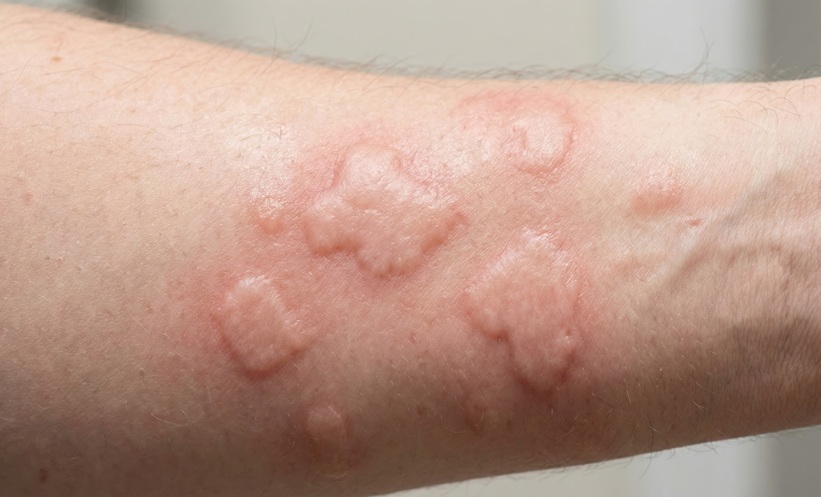
CSU is characterised by recurrent wheals, angioedema, or both, occurring without an identifiable trigger. The condition can severely impair quality of life, with many patients remaining symptomatic despite standard H1-antihistamine therapy. Mast cells are considered central to CSU pathogenesis, but definitive clinical evidence supporting their causal role has been limited.
In this double-blind, placebo-controlled study, 207 adults with antihistamine-refractory CSU (urticaria activity score over 7 days [UAS7] ≥16) were randomised 1:1:1:1 to receive barzolvolimab 75 mg every 4 weeks, 150 mg every 4 weeks, 300 mg every 8 weeks, or placebo. Barzolvolimab is a monoclonal antibody targeting KIT, a receptor critical for mast cell survival, leading to mast cell depletion.
Barzolvolimab Demonstrated Rapid, Dose-Dependent Efficacy in Chronic Spontaneous Urticaria
At Week 12, all barzolvolimab regimens achieved statistically significant reductions in UAS7 compared with placebo. Mean change from baseline was −6.60 (95% CI: −10.71–−2.49; p=0.0017) with 75 mg, −12.55 (95% CI: −16.56–−8.55; p<0.0001) with 150 mg, and −13.41 (95% CI: −17.47–−9.34; p<0.0001) with 300 mg, demonstrating a clear dose–response relationship.
Clinical responses were both rapid and marked. Complete response, defined as UAS7=0 at Week 12, was achieved in 22.9% of patients receiving 75 mg, 51.1% receiving 150 mg, and 37.5% receiving 300 mg, compared with 6.4% in the placebo group. Importantly, patients previously treated with omalizumab responded similarly to those without prior exposure, suggesting barzolvolimab may offer benefit regardless of earlier biologic therapy.
All doses of barzolvolimab were well tolerated. The most common adverse events among treated patients were urticaria and hair colour change. No new safety signals were identified over the 12-week study period.
Implications for the Clinic
These findings provide clinical evidence supporting the essential role of mast cells in driving CSU signs and symptoms. By directly targeting KIT and depleting mast cells, barzolvolimab addresses a key upstream mechanism in disease pathophysiology. While longer-term data are needed to assess durability of response and safety, barzolvolimimab represents a promising therapeutic option for patients with CSU who remain symptomatic despite antihistamines.
Reference
Metz M et al. A randomised dose-finding study of anti-KIT barzolvolimab in patients with chronic spontaneous urticaria. J Allergy Clin Immunol. 2026; DOI:10.1016/j.jaci.2026.02.018.
Featured image: pansit.me on Adobe Stock