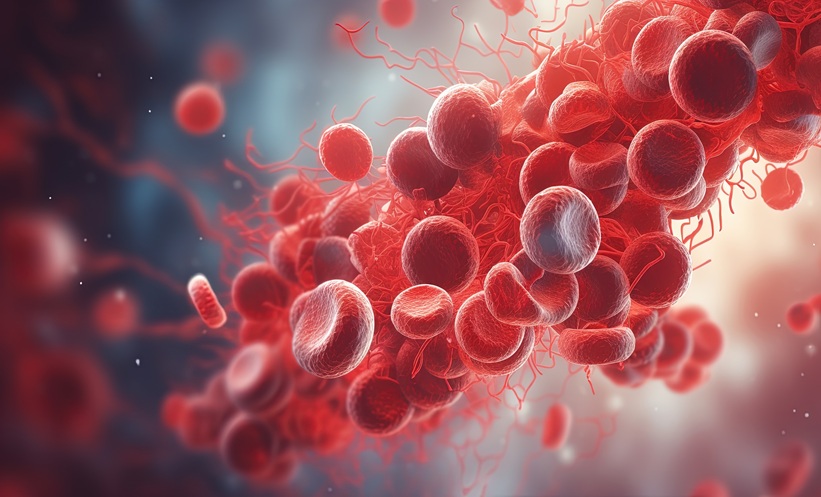
A NEW study reveals gut-derived metabolite trimethylamine N-oxide (TMAO) binds fibrinogen, enhancing clot stability.
Emerging research has uncovered a striking potential connection between the gut microbiome and cardiovascular disease. Scientists have found that the gut metabolite TMAO directly binds to fibrinogen, a key blood-clotting protein, driving the formation of highly stable fibrin clots. These findings provide a molecular explanation for how gut-derived compounds may elevate the risk of atherosclerosis, a condition that underpins many heart attacks and strokes.
The study, conducted by Singh et al., represents one of the most detailed analyses to date of how gut metabolites influence clot formation. By mapping the interaction between TMAO and fibrinogen, the researchers were able to identify specific binding sites and structural changes that increase clot stability – insights that could inform future strategies to mitigate cardiovascular risk.
TMAO’s Role in Clot Formation and Atherosclerosis
TMAO has been previously linked to cardiovascular disease, but the mechanisms underlying its contribution to atherosclerosis were not fully understood. Using biophysical experiments combined with in-silico docking and molecular dynamics simulations, researchers showed that TMAO specifically binds to the β1 calcium-binding site on fibrinogen. This binding alters fibrinogen’s structural dynamics, increasing its propensity to form fibrin clots.
Clots formed in the presence of TMAO were notably more resistant to proteolytic degradation, suggesting enhanced stability. The study also found that the β-nodules of native fibrinogen may exist in two conformational states: one with high-affinity binding sites and one with low-affinity sites. TMAO appears to shift the equilibrium toward the high-affinity state, facilitating protofibril assembly and accelerating clot formation.
Implications for Cardiovascular Health
The researchers extended their findings by showing that structurally similar N-oxides, including compounds derived from antidepressants, exhibited comparable effects on fibrinogen, highlighting a broader relevance for drug-derived metabolites. By identifying the β1 calcium-binding site as a target, this study opens the door to potential therapeutic strategies aimed at modulating clot stability and reducing cardiovascular risk associated with gut metabolites.
Cardiovascular disease, including atherosclerosis, remains a leading global cause of death, and these findings reinforce the importance of gut–heart interactions. Future interventions could focus on limiting TMAO levels through dietary adjustments, gut microbiome modulation, or pharmacological strategies targeting fibrinogen binding.
Reference
Singh K et al. Gut metabolite TMAO and its structural analogs bind to fibrinogen thereby enhancing clot formation: a rationale for atherosclerosis risk. Scientific Reports. 2026; Article number: TBD.
Featured image: olegganko on Adobe Stock