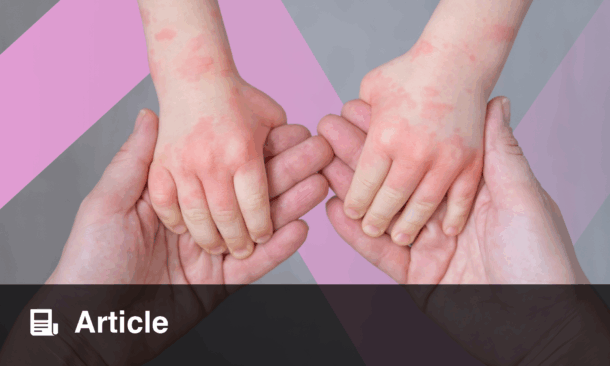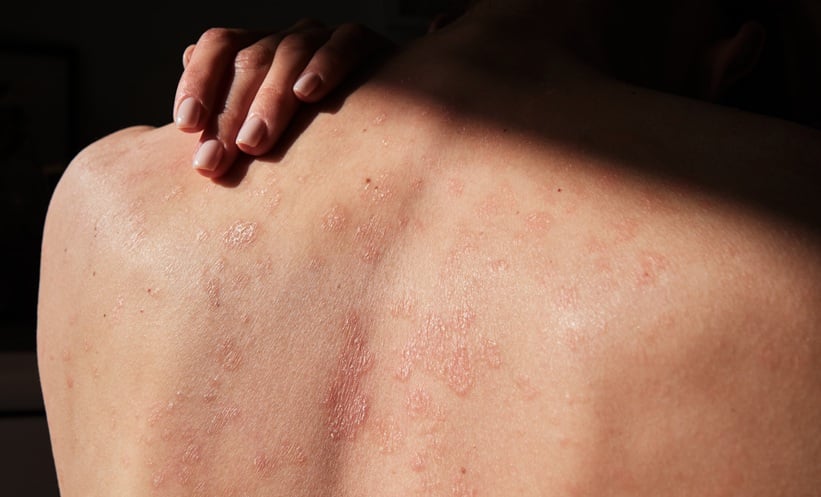
REAL-WORLD evidence from Denmark indicates that biologic drug survival in psoriasis differs markedly depending on whether patients are biologic-naive or have prior biologic exposure. The findings are based on nationwide registry data and provide insight into how long patients remain on different biologic therapies in routine clinical practice.
Using data from the Danish DERMBIO registry, researchers conducted a cohort study analysing biologic treatment series recorded between May 2007 and June 2025. In total, 7,193 treatment series from adults with psoriasis were included, comprising 3,790 series in biologic-naive patients and 3,403 in bioexperienced patients. Drug survival, defined as the time from treatment initiation to discontinuation for any reason, was used as the primary outcome and served as a real-world measure of effectiveness, tolerability, and patient satisfaction.
Distinct Drug Survival Patterns Observed in Bionaive and Bioexperienced Patients
Among biologic-naive patients, the interleukin-12/23 inhibitor ustekinumab demonstrated superior long-term persistence. At five years, ustekinumab showed significantly higher drug survival compared with adalimumab and secukinumab. The authors suggest that this finding supports ustekinumab as a durable first-line biologic option for patients initiating advanced therapy for psoriasis.
In contrast, different patterns were observed in patients with prior biologic exposure. In this bioexperienced group, newer biologic agents showed stronger persistence over shorter follow-up periods. Bimekizumab, guselkumab, and risankizumab were associated with higher two-year drug survival compared with ustekinumab, suggesting these therapies may be particularly effective when used after previous biologic treatment.
The authors note that these differences may reflect both evolving treatment strategies and increasing availability of highly effective biologics over time. Higher expectations for skin clearance, alongside physician and patient preferences, may also influence treatment continuation in later lines of therapy.
Clinical Impact
The findings highlight the importance of considering prior biologic exposure when selecting treatment for psoriasis. By demonstrating that drug persistence varies by treatment line, the study supports a more personalised approach to biologic prescribing, with certain agents appearing more durable as first-line options and others performing better after biologic switching. Real-world drug survival data from large registries such as DERMBIO complement randomised trial evidence and can help clinicians make informed decisions that balance long-term effectiveness, tolerability, and patient experience in everyday practice.
Reference
Schwarz CW et al. Drug Survival of Biologics in Bionaive and Bioexperienced Patients With Psoriasis. JAMA Dermatol.2026;doi: 10.1001/jamadermatol.2025.5205.