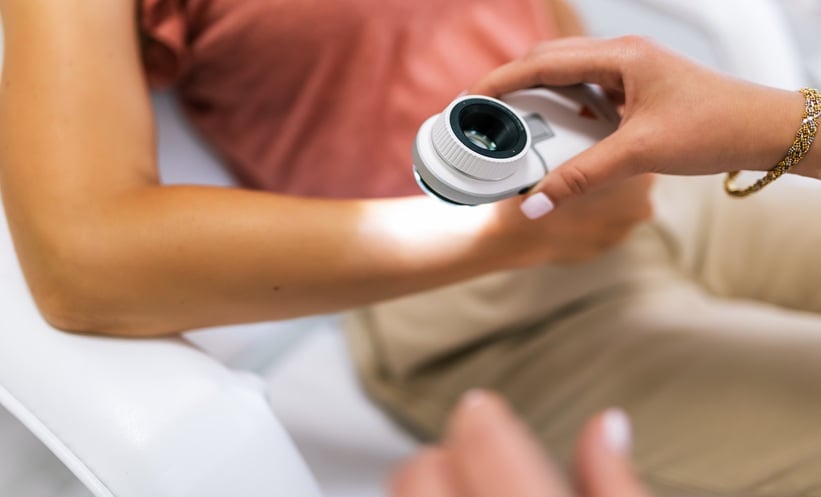
IN Mohs patients, keratinocyte carcinoma quality of life worsened more with younger age, female sex, and field cancerization class.
Keratinocyte carcinomas are the most common malignancies in the United States, and their impact can extend beyond tumor clearance. In a cross-sectional study of 1,138 patients treated for keratinocyte carcinoma at a single academic center, investigators assessed both general and skin cancer specific quality of life alongside perceived care burden. Participants completed the Skin Cancer Index, the SF 20, and a care burden score, and they also reported demographics, skin cancer history, and health care utilization. Cumulative skin cancer history was summarized using a field cancerization classification.
Which Patients Reported Worse Quality of Life
Several patient level factors were significantly associated with poorer scores on both the Skin Cancer Index and the SF 20. These included younger age, female sex, family history of skin cancer, higher field cancerization class, and more frequent dermatology visits. Chemoprevention use was also associated with poorer quality of life scores, highlighting that patients pursuing additional prevention strategies may carry a heavier perceived disease burden or higher concern about future cancers.
Because the analysis was cross sectional, the findings should be interpreted as associations rather than causal effects. Self-reported measures and the single center setting may also limit generalizability to other practice types and patient populations.
Where Quality of Life Was Most Affected
When domain level patterns were examined, quality of life appeared most affected in the emotional and appearance domains of the Skin Cancer Index. In the SF 20, the health perception domain showed the greatest impact. Together, these results suggest that for many patients, distress, self-image, and overall perceptions of health may be more salient than purely physical symptoms during keratinocyte carcinoma care.
What This Means for Mohs Era Patient Support
The authors concluded that identifying higher risk groups and the specific quality of life domains they value most could help clinicians deliver more personalized education and support. In practice, proactively addressing expectations, appearance related concerns, and emotional wellbeing may be especially relevant for younger patients, women, and those with extensive cumulative disease as captured by higher field cancerization class.
Reference: Fagan E et al. Understanding Factors Impacting Quality of Life in Patients with Keratinocyte Carcinoma: A Cross Sectional Analysis of Mohs Surgery Patients. J Am Acad Dermatol. 2025;doi:10.1016/j.jaad.2025.12.027.