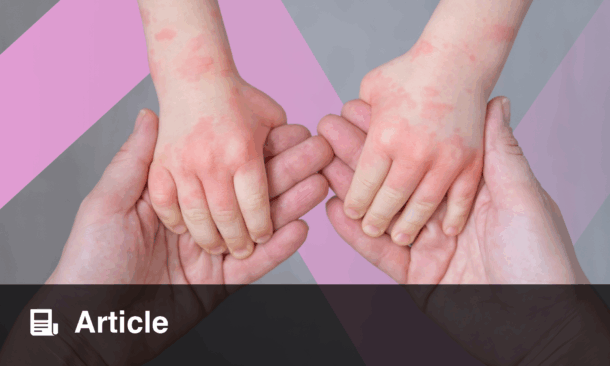
A NEW retrospective observational study suggests that something as simple as stopping the use of a washcloth during bathing may help reduce chronic itch, offering a potentially low-cost and non-invasive strategy for patients with pruritus.
Single-Centre Study Examines Washcloth Withdrawal and Itch Severity
Chronic pruritus is a common and often frustrating symptom across a range of dermatological conditions, and while previous research has explored the impact of soaps and cleansing agents, little attention has been given to the mechanical effects of washcloth use. To address this gap, researchers conducted a single-centre analysis involving 79 patients with various skin diseases who regularly used washcloths.
Researchers evaluated itch severity using a 0–10 Numerical Rating Scale (NRS) and compared scores before and after participants either discontinued or continued washcloth use. Importantly, the study focused on patients whose treatments were not escalated, allowing investigators to better isolate the potential influence of bathing habits alone.
Washcloth Discontinuation Linked to Significant Reduction in Pruritus
At baseline, the mean NRS score among washcloth users was 4.79, with no meaningful difference between cotton and synthetic-fibre cloths. Among patients who stopped using washcloths, mean itch scores fell markedly from 4.89 to 1.90, a statistically significant improvement. In contrast, those who continued using washcloths experienced no significant change in symptoms, with scores moving only slightly from 3.86 to 3.60.
The authors suggest that the mechanical friction associated with washcloths may contribute to skin barrier disruption or irritation, potentially worsening itch in susceptible individuals. As a result, simply modifying bathing habits could represent a practical adjunct to existing management strategies, particularly for patients seeking non-pharmacological approaches.
However, the researchers emphasise that the findings should be interpreted cautiously. The retrospective design, small sample size, and single-centre setting limit generalisability, and confounding factors cannot be completely excluded. Prospective, controlled studies will be needed to confirm whether washcloth withdrawal directly leads to symptom improvement and to identify which patient groups may benefit most.
Despite these limitations, the study highlights an often-overlooked aspect of daily skincare. If confirmed in future research, avoiding washcloth use could become an easy behavioural recommendation for clinicians managing chronic pruritus, complementing established therapies while minimising cost and treatment burden.
Reference
Miyazawa H et al. Washcloth withdrawal and pruritus: a single-center retrospective observational study. J Dermatol. 2026;doi: 10.1111/1346-8138.70177.