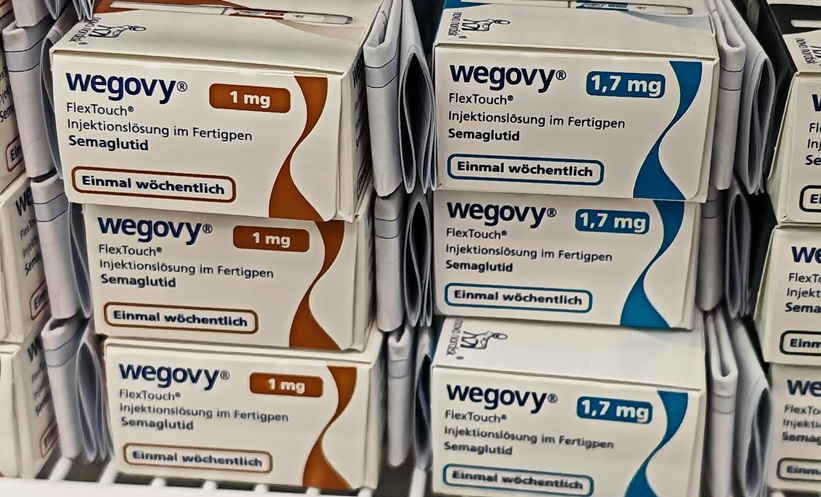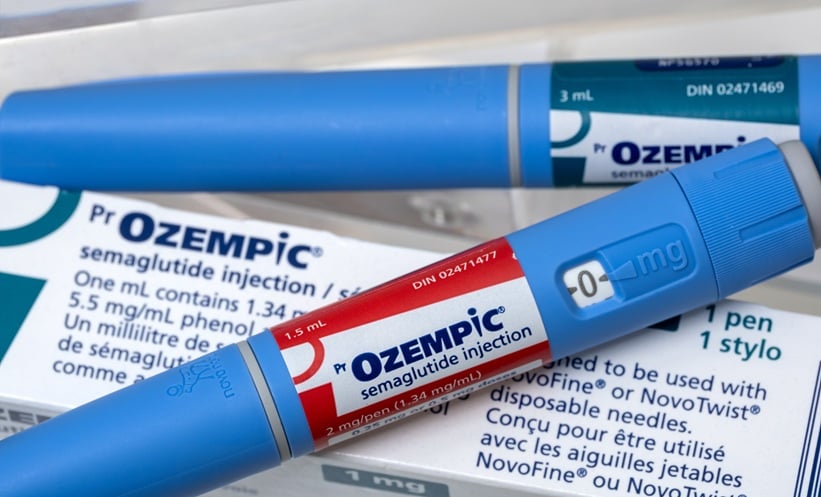
SEMAGLUTIDE and liraglutide may act as dually effective treatment options for co-occurring anxiety and depression in patients with diabetes and obesity by lowering the risk of worsening mental illness, a 2026 Swedish national cohort study found.
Glucagon-like peptide-1 receptor agonists (GLP-1) were also associated with a more than 40% lower risk of self-harm.
Mental Illness and Diabetes
People with diabetes have an elevated risk of depression, anxiety, and suicide, researchers reported.
GLP-1s are used to treat diabetes and obesity, but their efficacy in alleviating or worsening symptoms of mental illness has previously been found to be mixed.
Primary and Secondary Outcomes
Authors used national Swedish electronic health registers to identify people with diagnosed depression or anxiety who used antidiabetic medication between 2009–2022.
People who used GLP-1s were compared with those who did not, as well as other second-line antidiabetic medications.
Researchers measured, as primary outcomes, psychiatric hospitalisation, sick leave from work for more than 14 days for psychiatric reasons, hospitalisation due to self-harm, or taking one’s own life.
Secondary outcomes were worsening symptoms of depression or anxiety, substance use disorder, and self-harm.
Effect of GLP-1s on Mental Illness
Nearly 95,500 people were included in the study.
There were around 60% female and 40% male participants, with a mean age of approximately 50-years-old.
Data on ethnicity was not available.
GLP-1s were used by almost 22,500 people during the follow-up period.
Semaglutide and liraglutide were tied to 42% and 18% lower risks of worsening mental illness, respectively, compared with people who did not take the GLP-1s.
Exenatide and dulaglutide exhibited no meaningful change in risk.
Semaglutide was linked to a 44% lower risk of worsening depression, 38% reduced chance of worsening anxiety, and 47% decreased likelihood of worsening substance use disorder.
Liraglutide was associated only with a 26% lower risk of worsening depression.
Finally, GLP-1s were tied to a 44% reduced risk of self-harm.
Researchers encouraged randomised controlled trials evaluating the findings but highlighted the promise of GLP-1s as dually effective therapeutic options for mental illness in patients with diabetes.
Reference
Taipale H et al. Association between GLP-1 receptor agonist use and worsening mental illness in people with depression and anxiety in Sweden: a national cohort study. Lancet Psychiatry. 2026;13(4):327–335.
Featured image: mbruxelle on Adobe Stock