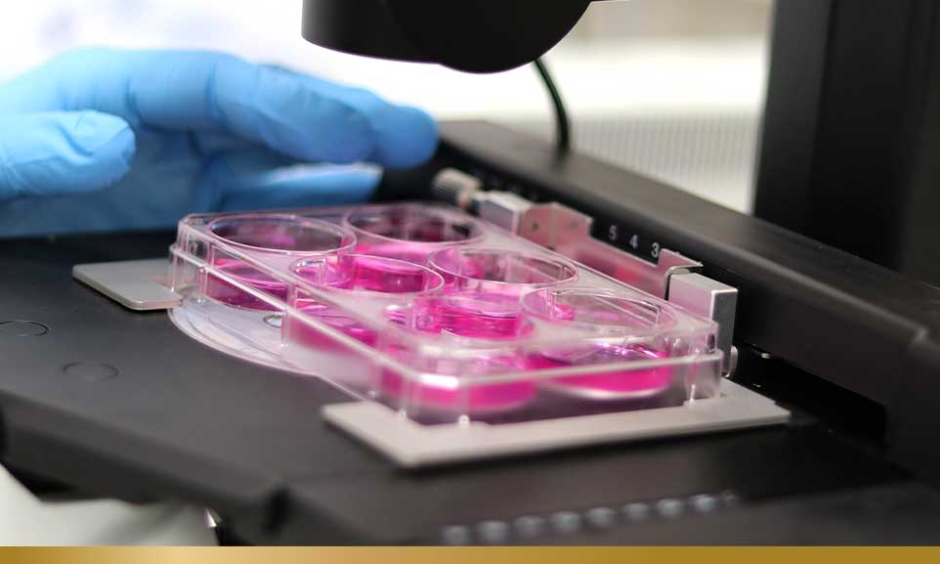
The UK is bridging a “translational readiness gap” to better align academic innovation with industry need. Currently, a lack of coordination hinders the adoption of advanced laboratory and computer models in drug discovery. To address this, a strategic review published by the ABPI and the National Centre for the Replacement, Refinement and Reduction of Animals in Research (NC3Rs) outlines the coordinated effort required to transition these discoveries into industry-ready tools.
Challenge of high attrition rates
As it stands, the pharmaceutical industry faces a significant technical bottleneck: only 10% of research and development programmes result in an approved medicine. This high failure rate is largely attributed to pre-clinical models that poorly predict human responses. While UK scientists are developing sophisticated, clinically relevant models – including multi-organ systems and AI simulations – many remain confined to university settings due to lack of validation and scalability.
Dr Joanna Jenkinson, Director of Innovation and Research Policy, ABPI, emphasised the need for structural change to capitalise on these scientific breakthroughs. “Through cross-sector investment in standardisation, materials, validation infrastructure and skills development, we can develop more predictive models of human biology, reduce failure rates in medicines development, and strengthen the UK’s competitive position in life sciences.”
Framework for industry adoption
The review introduces a translational readiness framework designed to assess whether academic models are fit-for-purpose for commercial use. The framework identifies three pillars for success:
- Optimising materials by moving beyond readily available, generic cell lines toward primary human tissues and patient-derived organoids.
- Overcoming technical limitations in multi-organ systems that recreate complex bodily interactions.
- Building the infrastructure needed to validate and scale these models for industry use.
Dr Vicky Robinson, Chief Executive, NC3Rs, highlighted the dual benefit of these advancements for both innovation and ethics. “The framework developed through this work will be a critical tool for enabling academic researchers and industry scientists to ensure models are fit-for-purpose.”
Dedicated translational modelling hub
The initiative also aligns with the 2025 Life science sector plan, which includes the establishment of a dedicated hub for pre-clinical translational modelling and a UK centre for validation of alternative methods. The Medical Research Council (MRC) will be responsible for funding and overseeing the translational models hub, ensuring the necessary resources are in place to coordinate academic-industry research and drive the commercialisation of non-animal technologies.
Prof Patrick Chinnery, Executive Chair, MRC, stated: “Accurate models of human disease are crucial for medical research across sectors. They enable us to better understand how diseases emerge and progress, while also allowing us to test potential medicines for safety and efficacy with greater confidence.”
By strengthening collaboration across academia, industry and funders, the initiative aims to convert early-stage innovation into a scalable pipeline for safer, faster and more cost-effective medicines development, reinforcing the UK’s position as a global leader in life sciences.