A new fridge-free vaccine for tetanus and diphtheria has shown early promise in human trials, in a development that could change how vaccines are stored and delivered around the world.
The thermostable vaccine, known as SPVX02, was developed by UK biotech firm Stablepharma and tested with support from the UK Health Security Agency (UKHSA). Early results from a phase 1 study suggest the vaccine remains potent even after being stored at 30°C for two years, raising the possibility of jabs that no longer depend on constant refrigeration.
Cold chain challenges
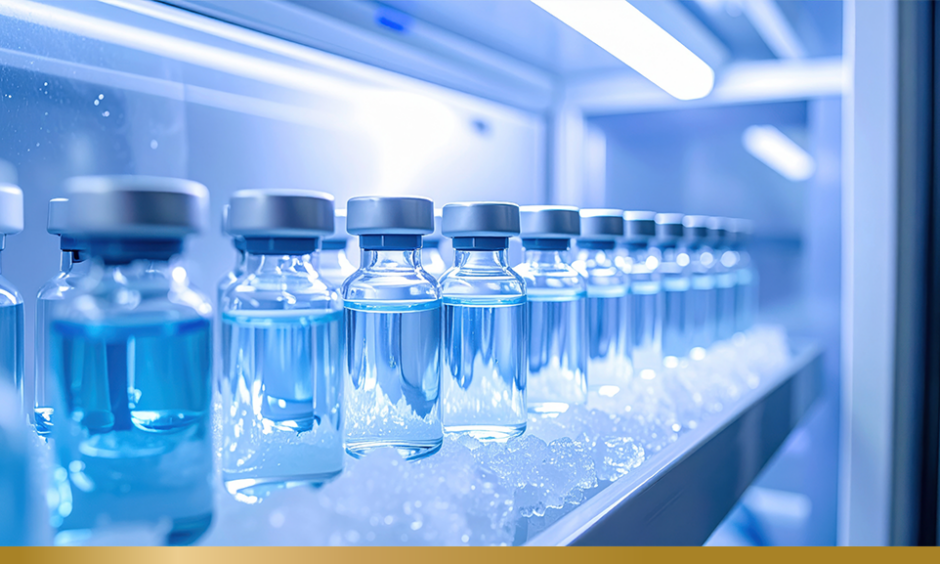
The trial, evaluated at UKHSA’s Vaccine Development and Evaluation Centre (VDEC), hints that the long-standing “cold chain” requirement, the strict temperature control needed to keep most vaccines viable from manufacture to injection, may not always be necessary. At present, the World Health Organization estimates that up to half of all vaccines never reach patients because of these temperature constraints, underlining the scale of the challenge.
Dr Bassam Hallis, Deputy Director, VDEC, described the findings as “an excellent example of the huge contribution that the UK continues to make to transform public health through innovative technological and scientific advances”. He added that fridge-free vaccines could prove particularly valuable “where limitations in infrastructure make maintaining a cold chain more challenging”.
The next stage of clinical testing will evaluate SPVX02 in a larger group of healthy volunteers, comparing its performance with an already approved vaccine. Stablepharma plans to begin this work in the coming months, while UKHSA continues to monitor immune responses.
Win for equity
Dr Karen O’Hanlon, Chief Operating Officer, Stablepharma, said the technology offers “a clear path to a more equitable, resilient and sustainable healthcare system”. Beyond improving access, she added, fridge-free vaccines “represent not just a scientific innovation, but a public health and climate solution”.
If successful, SPVX02 could mark a turning point for vaccine logistics in both high-income and low-resource settings. Without the need for refrigerated transport, supply chains could become simpler, cheaper and less wasteful, particularly during crises when cold storage is limited.
For the wider pharmaceutical industry, the development is a reminder that more adaptable biologics, designed with resilience, climate impact and equitable distribution in mind, are within reach.