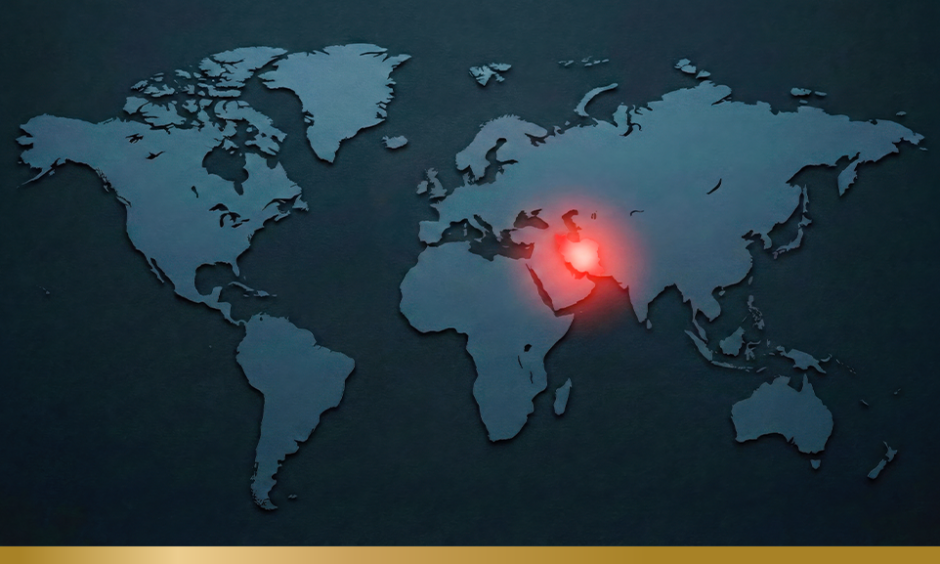
Pharmaceutical companies are facing renewed pressure as instability linked to the Middle East conflict begins to affect both supply chains and clinical trials, exposing potential gaps in how the industry prepares for geopolitical risk.
Poor risk planning
Research from Argon & Co suggests that only 22% of pharma firms were actively preparing for such disruption at the end of 2025. While some organisations had introduced risk assessments and scenario planning, these approaches were not widely in use. “What we’re seeing now is that systematic, ongoing scenario planning has not been embedded at scale,” said Michel Savini, Associate Partner, Argon & Co. “The deprioritisation of scenario planning is therefore a growing risk to the continuity of critical medicines.”
The Middle East plays a central role in global logistics and energy flows, making it a critical juncture for pharma supply chains. Disruption in the region is already affecting transport routes, particularly air freight, which underpins the distribution of temperature-sensitive medicines such as biologics and vaccines. Delays in transit increase the risk of products moving outside controlled temperature ranges, with potential implications for supply continuity.
“These cost pressures are forcing difficult trade-offs,” Savini said. “Companies recognise the need to invest in resilience, but margin constraints mean they are being highly selective in where and how they act.”
Clinical trial disruption
The same regional instability is also affecting clinical development. Analysis from Phesi shows that 6.7% of global trials, more than 4,300 studies, are now impacted by disruption linked to the Middle East conflict. Phase 3 trials account for the largest share of affected sites, reflecting their size and complexity.
“Clinical development has become deeply interconnected,” said Gen Li, founder and CEO, Phesi. “When disruption occurs the impact extends beyond individual sites, particularly in high-priority disease areas such as oncology.”
Large pharma companies are particularly exposed due to their presence in the region, with some operating hundreds of investigator sites across affected countries. While this global footprint can support recruitment and trial delivery under stable conditions, it can also increase vulnerability when multiple sites are disrupted at the same time.
“The impact on phase 3 trials is particularly significant, as these later-stage studies involve larger, committed patient populations and represent years of investment,” Li said. “Patient safety and the safety of investigators and clinical staff must remain the primary consideration, alongside the need to keep existing trials going.”
Taken together, the findings suggest the Middle East conflict is not only a regional crisis, but a complex operational challenge with consequences for industry, patients and healthcare systems alike.