Healthcare is moving into a new phase in which trust, not just treatment, will shape success, according to a new VML Health report. On World Health Day, the agency says the sector is entering an era of “hyper-specificity”, where patients expect more personalised care, clearer information and support that fits into their daily life.
The report ‘Health Futures 2026’ argues that scientific progress in isolation is no longer sufficient. “The future of healthcare won’t be decided by breakthroughs alone, but by whether those advances translate into lived experience,” it says, stating that “lived outcomes are becoming the measure of success”.
Trends for 2026
VML sets out 10 trends it believes will define the year ahead, grouped under four broad themes: the precision medicine, the AI caregiver, systemic resilience and lived outcomes. Among the clearest shifts is the move away from one-size-fits-all medicine and towards treatments built around individual biology, behaviour and nuance.
Obesity is a key example. The report says the condition is increasingly being viewed as a chronic disease with multiple biological drivers rather than a simple issue of willpower. It points to research from MIT and Harvard suggesting 11 distinct root causes of obesity, which could help push treatment beyond standard GLP-1 drugs and towards more tailored care.
Another major thread is artificial intelligence. VML says future patients, including the first fully AI-native Generation Beta, will expect personalised support as standard. It also points out that AI is beginning to move beyond data processing and into emotional support, with tools that can read tone, facial expression and behaviour entering the market.
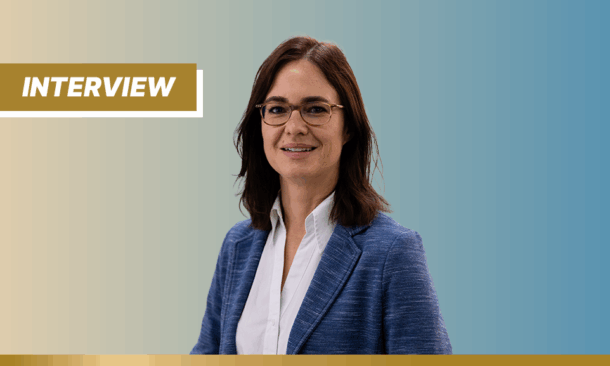
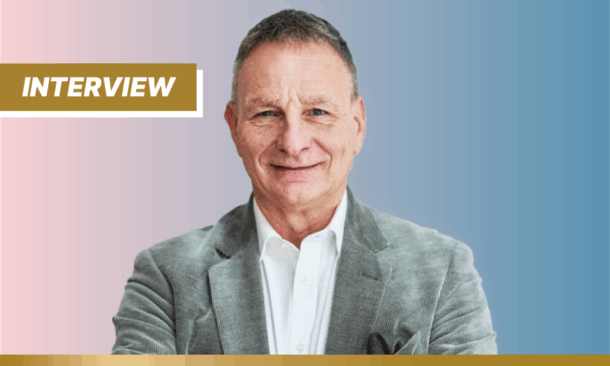
“The core message of Health Futures is that great science is only the starting point,” said Claire Gillis, CEO, VML Health, in a press release. “So much of people’s experience now happens in the in-between spaces: before diagnosis, between appointments, and between what the label says and what life actually looks like.”
Rise of misinformation
But the report warns that technology alone will not fix healthcare’s historic problems. The ever-increasing volume of inaccurate, low quality and AI-generated content makes it harder for patients to know what is real and what is not. In this environment, VML says the pharmaceutical industry must do more than share accurate facts. It must make science clear, useful and credible for people with different levels of health literacy.
“Our clients are transforming treatment in oncology, metabolic disease, neurology and beyond,” said Gillis. “Our challenge is how we surround those treatments and the clinicians delivering them, with communications, tools and services that work in those in-between moments.”
The VML report predicts companies that excel at plain-speaking campaigns, digital coaching and community links will win as patients seek credible and accessible healthcare information and care. On the other hand, brands slow to adapt may face shrinking trust scores and weaker outcomes in a sector long plagued by credibility gaps.