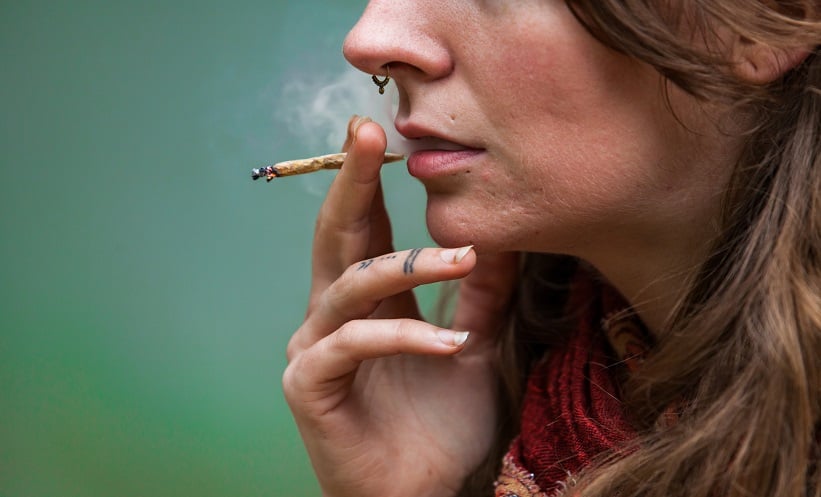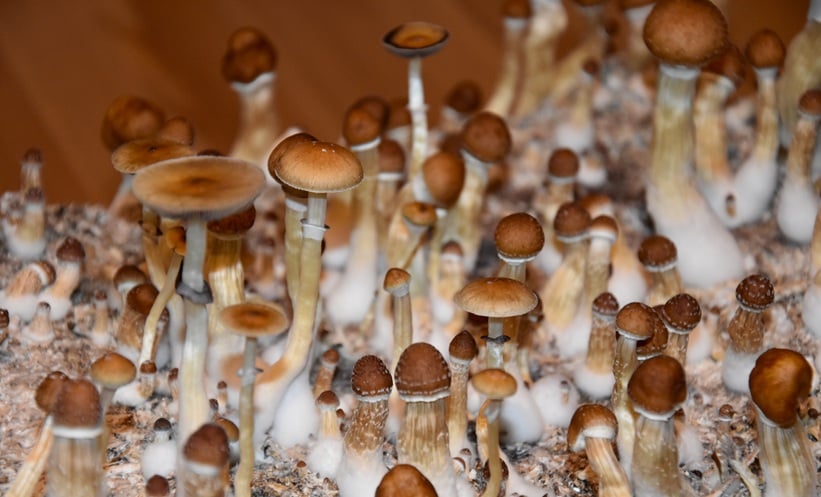
A SINGLE cycle of psychedelic-assisted psychotherapy with LSD or psilocybin, commonly known as magic mushrooms, significantly improves symptoms of depression and anxiety, a large-scale 2026 Swiss cohort study has found.
The fully active dose session was well tolerated by participants.
Psychedelics and Mental Illness in Controlled Trials
Serotonergic psychedelics, like LSD and psilocybin, have shown promising antidepressant effects in controlled trials.
For example, DMT has recently shown efficacy in significantly reducing symptoms of major depressive disorder following a single short-acting psychedelic intervention.
However, real-world data from routine clinical care is limited, researchers reported.
Real-World Application of Psychedelic Therapy
The compassionate-use real-world study assessed routine data from 115 adults with treatment-resistant depression, anxiety, or a combination of the two.
Participants received a first cycle of psychedelic-assisted psychotherapy with 100 µg LSD or 25 mg psilocybin at a Swiss university hospital.
Symptoms of depression and anxiety were measured by self-reporting at one month prior to treatment and 1–3 months after therapy.
Symptoms of Depression and Anxiety Substantially Improved
Depressive and anxiety symptoms decreased substantially over time.
Analyses of cognitive emotion regulation, from before and after treatment, revealed that participants experienced reduced self-blame, rumination, and catastrophising.
They also reported increased positive refocusing and reappraisal.
Perceived intensity differed between those assigned LSD and participants who took psilocybin, but the safety profiles and clinical outcomes of the respective psychedelics were consistent.
There were no serious complications or treatment discontinuations and adverse events were mild, researchers reported.
Psychedelics Show Promise for Psychiatric Care
The success of the study supports the feasibility and effectiveness of psychedelic-assisted psychotherapy with LSD or psilocybin in specialised routine care for patients with treatment-resistant depression and anxiety, researchers reported.
They warned, however, that future studies are warranted to confirm effectiveness, clarify the mechanisms behind the findings, and inform safe implementation in clinical settings.
Reference
Aboulafia-Brakha T et al. Real-world effectiveness and safety of psychedelic-assisted psychotherapy: Outcomes from a large-scale compassionate use cohort in Switzerland. Psychiatry Res. 2026;DOI:10.1016/j.psychres.2026.
Featured image: betka82 on Adobe Stock