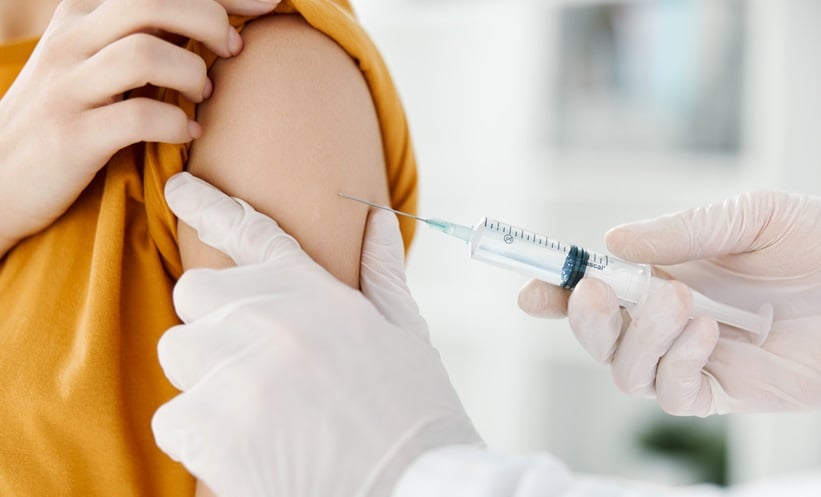
A SHINGLES vaccine is associated with slower biological ageing in older adults, according to a large United States population study. Researchers found that vaccinated individuals showed reduced inflammation and slower molecular ageing, suggesting vaccination may influence biological ageing beyond infection prevention.
Why Biological Ageing Matters in Later Life
Biological ageing reflects the gradual decline in physiological systems and often differs from chronological age. Accelerated biological ageing has been linked to higher risks of cardiovascular disease, cognitive decline, and frailty. Recent research has suggested that immune system health plays a central role in shaping biological ageing trajectories.
Shingles, caused by reactivation of the varicella zoster virus, primarily affects older and immunocompromised adults. This has raised interest in whether vaccination could influence biological ageing processes through immune modulation.
Vaccination And Measures of Biological Ageing
The study analysed data from 3,884 adults aged 70 years and older who participated in the United States Health and Retirement Study. Biological measures were collected using blood samples, immune profiling, and physical assessments. Researchers examined seven domains of biological ageing, including inflammation, immune function, cardiovascular indicators, neurodegeneration, epigenetic ageing, transcriptomic ageing, and a composite biological ageing score.
After adjusting for sociodemographic and health factors, shingles vaccination was associated with lower inflammation scores b equals minus 0.14, slower epigenetic ageing b equals minus 0.17, slower transcriptomic ageing b equals minus 0.19, and a lower composite biological ageing score b equals minus 0.18. Vaccinated individuals also showed higher adaptive immunity scores, an unexpected finding requiring further investigation. Improvements in biological ageing were most pronounced within three years after vaccination, with slower biological ageing persisting beyond this period.
Implications for Healthy Ageing Strategies
The findings suggest that shingles vaccination may support healthier biological ageing by reducing chronic low-level inflammation, often described as inflammaging. By limiting viral reactivation and supporting immune balance, vaccination could influence molecular ageing pathways that contribute to age related disease.
Although the study design does not establish causality, the results add to growing evidence that vaccines may contribute to healthy ageing strategies beyond preventing acute infections. Further longitudinal and experimental studies are needed to clarify mechanisms and determine whether vaccination can be integrated into broader approaches aimed at slowing biological ageing in older adults.
Reference
Kim JK, Crimmins EM. Association between shingles vaccination and slower biological aging: Evidence from a U.S. population-based cohort study. J Gerontol A Biol Sci Med Sci. 2026;DOI:10.1093/gerona/glag008.