OBSESSIVE-compulsive disorder (OCD) is a complex psychiatric condition involving disruptions in serotonin, dopamine, and glutamate pathways. Although first-line pharmacotherapies, including selective serotonin reuptake inhibitors (SSRIs), are effective for many patients, around 40–60% remain unresponsive, classifying them as treatment-resistant OCD (TR-OCD). This has prompted growing interest in alternative therapies, including cannabinoids and psychedelics.
Cannabinoids in OCD: Limited Evidence
Cannabis and its derivatives have been used medicinally for centuries. Recently, there has been renewed clinical interest in their potential psychiatric applications. However, current evidence for cannabinoids in OCD is limited, consisting mainly of self-report surveys, case studies, and a few small clinical trials. To date, there is no robust evidence supporting the use of either synthetic or natural cannabinoids for managing OCD symptoms.
Psychedelics: A Promising Avenue
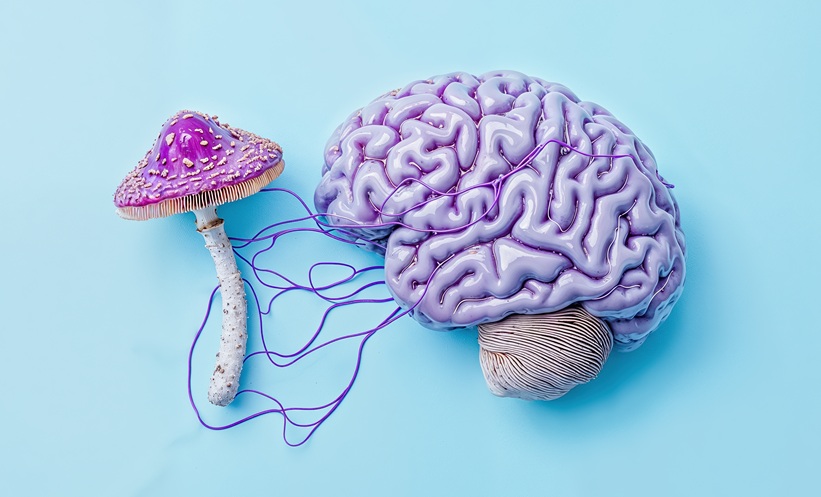
In contrast, psychedelics such as psilocybin, lysergic acid diethylamide (LSD), 3,4-methylenedioxymethamphetamine (MDMA), and N,N-dimethyltryptamine (N,N-DMT) are re-emerging as potential therapies for TR-OCD. Among these, psilocybin has shown the most encouraging signals, with small-scale trials suggesting symptomatic improvement in treatment-resistant patients. Despite this, research is still in its early stages, and large, well-controlled randomised clinical trials are needed to confirm efficacy, safety, and long-term outcomes.
Future Directions in OCD Treatment
This comprehensive scoping review highlights a critical need for rigorous clinical research in TR-OCD. While cannabinoids currently offer little evidence of benefit, psychedelics, especially psilocybin, may represent a promising addition to the therapeutic toolkit. Clinicians and researchers must prioritise methodologically sound studies to explore these emerging treatments and establish safe, evidence-based guidelines for patients with refractory OCD.
As the psychiatric field evolves, exploring alternative agents such as psychedelics may open new avenues for individuals who have exhausted conventional therapies, ultimately improving quality of life and expanding the options for managing treatment-resistant OCD.
Reference
Van Ameringen M et al. New treatments for OCD? Evidence for cannabinoids and psychedelics. J Psychiatr Res. 2025; DOI:10.1016/j.jpsychires.2025.11.021.