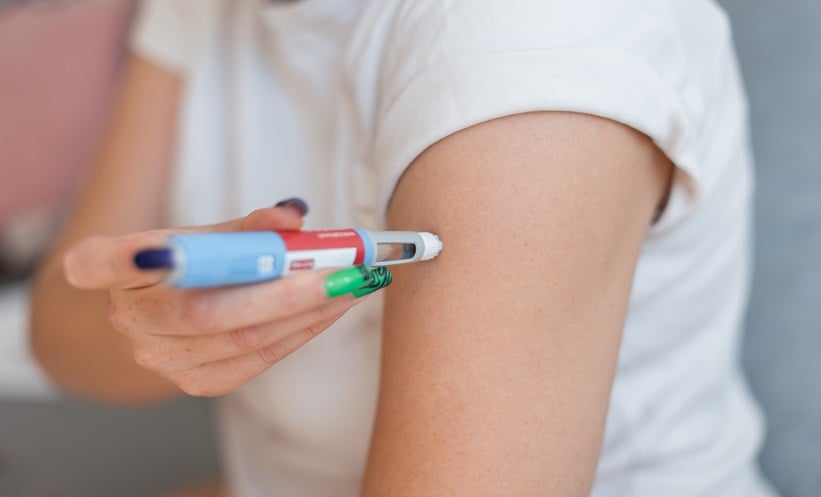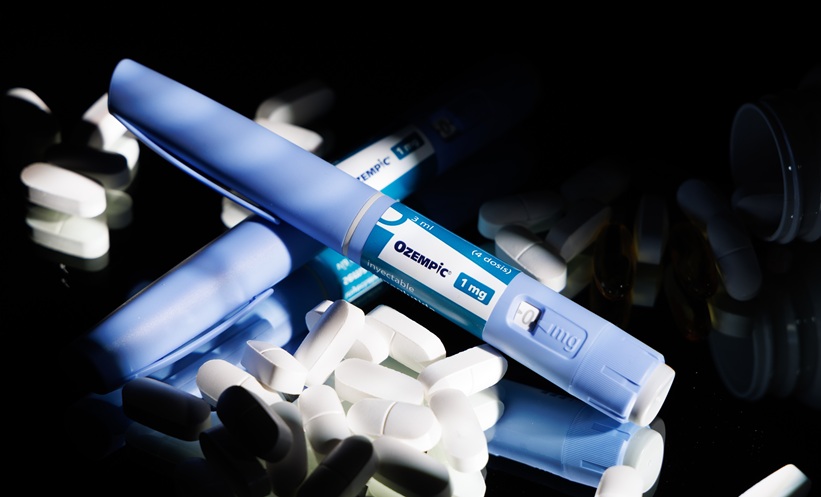
TWO-THIRDS of patients using weight loss drugs hide their treatment from some or all of their friends and family, a 2026 survey has found.
Women were more likely to hide treatment than men.
Social Stigma
The investigation collected data from 2,000 UK adults and more than 3,000 Simple Online Pharmacy patients.
More than one in five said fear of social stigma was a key concern when pursuing the glucagon-like peptide-1 (GLP-1) treatments.
When using them, nearly 40% of patients reported being judged: approximately 80% were accused of “taking the easy way out” and nearly 70% were confronted with “just eat less and move more”.
Some reported their GLP-1 use was described by others as cheating or dangerous.
Once they lost weight, more than half of patients generally experienced more positive attitudes from others, data revealed.
Researchers suggested that public perception is struggling to keep up with the evolution of clinical practice.
Gender Differences
Nearly 70% of women reported hiding their weight loss treatment, compared to just over 50% of men.
Women faced higher rates of judgement for using GLP-1s than men, at nearly 40% compared to 28% of men.
Generation Z were particularly likely to conceal treatment, with three in four using weight loss drugs in secret.
These statistics reveal social and gendered expectations surrounding GLP-1 use, weight management, and appearance, authors proposed.
Regional Differences
Across the UK, patients in England and Scotland report the highest levels of stigma around GLP-1 use, with rates in both countries pushing 40%.
Conversely, in Wales, less than one in three patients reported experiencing social stigma and even fewer in Northern Ireland: around one in five.
In England, the East Midlands faces the highest rates of stigma, with almost 90% of patients reporting judgement from friends and family.
London, the West Midlands, and Yorkshire and the Humber follow closely behind at 84%.
Concealment
The concealment of GLP-1 treatment hinders open discussion, restricts support networks, and reinforces the notion that medically supervised obesity treatment is somewhat illegitimate, researchers said.
More than half of patients reported feeling uncomfortable discussing GLP-1 treatment.
The survey outlined the adverse effects this hesitancy in communication can have on treatment access, adherence, and clinical outcomes.
According to authors, in undermining adherence and reducing treatment efficacy, hiding GLP-1 treatment can ultimately increase the likelihood of weight gain.
Reference
Simple Online Pharmacy. Breaking the silence: GLP-1 treatment, social stigma, and public perception in the UK (2026). 2026. Available at: https://www.simpleonlinepharmacy.co.uk/research/stigma-survey. Last accessed: 10 March 2026.
Featured image: Shutterly on Adobe Stock