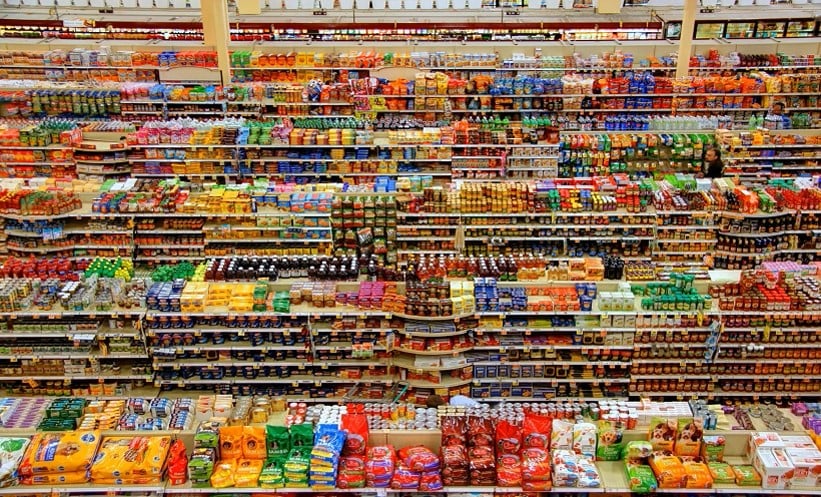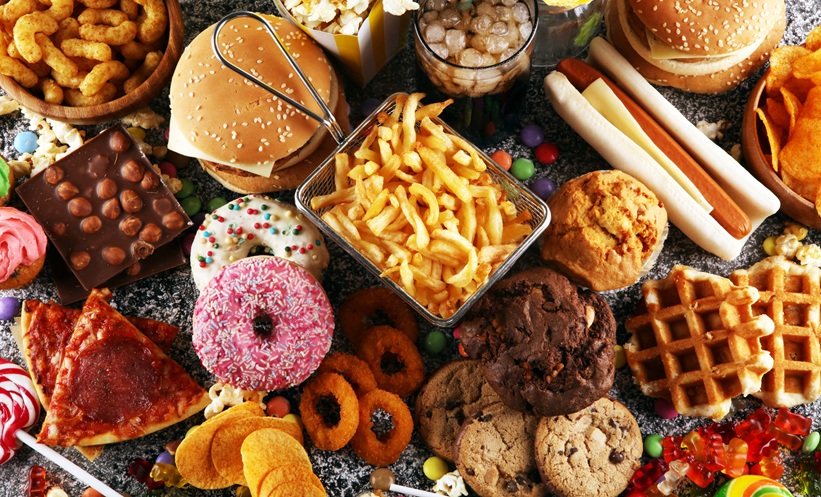
ULTRA-PROCESSED foods (UPF) share more characteristics with cigarettes than with minimally processed fruits or vegetables, a 2026 review has submitted.
The research found that UPFs are analogous to cigarettes in engineering strategy and impact on global health.
UPF Health Risks
The widely accepted NOVA classification defines UPFs as food which contains “formulations of ingredients, mostly of exclusive industrial use, typically created by a series of industrial techniques and processes.”
UPFs are strongly associated with risks for heart disease, cancers, metabolic disease, and obesity. Further, they are likely associated with rates of neurodegenerative issues including dementia and Parkinson’s disease. UPFs also predict premature death.
Whilst the link between UPFs and the global rise in diet-related disease is widely accepted, it remains contentious as to whether they should be considered addictive.
The review found that UPFs are engineered and marketed in the same way as cigarettes to encourage habitual overuse, creating a growing challenge for public health. In some cases, UPFs and tobacco cigarettes are produced or owned by the same corporations.
Industrial Engineering of UPFs and Cigarettes
It investigated addiction science, nutrition, and public health history. There were five key areas analysed in an investigation of the similarity between the reinforcing potential of cigarettes and UPFs: dose optimisation, delivery speed, hedonic engineering, environmental ubiquity, and deceptive reformulation.
The review found that cigarettes and UPFs are both highly engineered systems designed to maximise reinforcement, enabling addiction by reinforcing ingredients that drive compulsive consumption and disrupt appetite regulation.
For example, in terms of dose optimisation, both cigarettes and UPFs are designed to deliver optimal doses of nicotine and refined carbohydrates and fats, respectively, producing a reinforcing effect but not overwhelming the user.
Similarly, both cigarettes and UPFs begin as natural substances that do not exhibit significant addictive potential in their unprocessed forms. They are then industrially engineered to enhance reinforcement, increase accessibility and maximise profit.
The review found that both tobacco and UPF industries use similar strategies to optimise product appeal, evade regulation, and shape public perception. For example, both have historically marketed products with “health washing” claims including “light” cigarettes or “low fat” UPFs.
Policy Direction
Researchers found that the history of tobacco regulation can offer a contemporary understanding of the implications that UPFs have for public health policy.
To reduce UPF-related harm, it was proposed that lessons are taken from tobacco regulation, including litigation, marketing restrictions and structural interventions.
For example, through restrictions on child-targeted marketing, taxes, improved labelling and limits on availability in schools and hospitals.
The review argued that, due to their conceptual similarity with cigarettes, UPFs warrant regulatory responses proportionate to the significant public health risks they pose.
References
Gearhardt A N et al. From tobacco to ultraprocessed food: how industry engineering fuels the epidemic of preventable disease. Millbank Q. 2026; doi: 10.1111/1468-0009.70066.