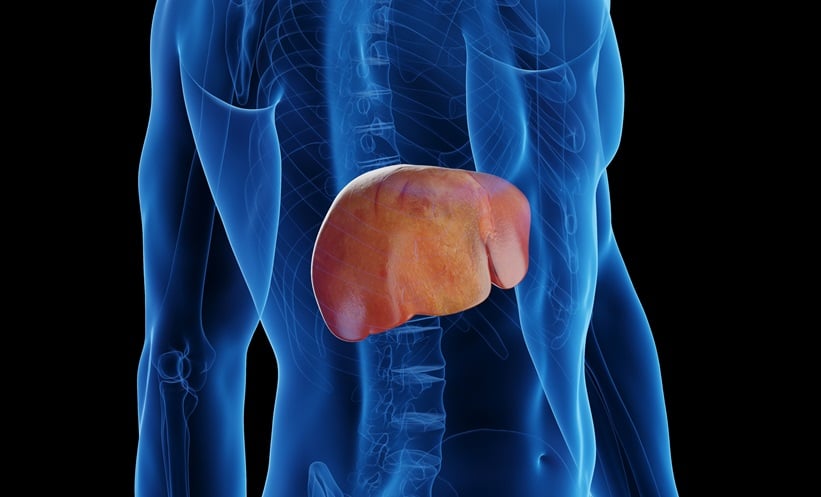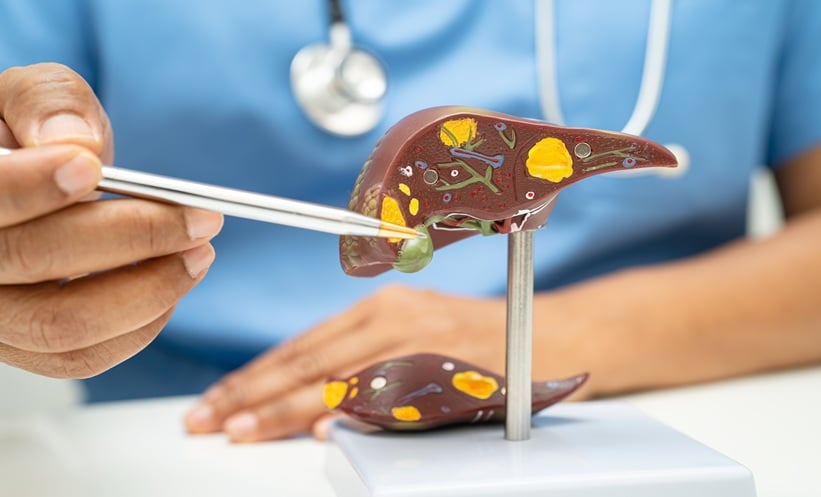
NEW research has identified a liver-specific receptor, GPR110, as a key driver of sex-related differences in the progression of metabolic dysfunction-associated steatohepatitis (MASH), offering new insight into why disease severity and outcomes can differ between women and men.
Sex Differences in MASH Progression
Metabolic dysfunction-associated steatotic liver disease and its inflammatory form, MASH, are major causes of chronic liver disease worldwide. Although prevalence increases with obesity and metabolic syndrome in both sexes, previous studies have suggested that disease progression and fibrosis risk may differ between men and women. The biological mechanisms underlying these differences have remained poorly understood.
Study Design and Experimental Approach
Researchers investigated the role of GPR110, a G-protein-coupled receptor expressed in hepatocytes, using diet-induced models of liver disease. The study focused on how loss of hepatocyte-specific GPR110 affected liver inflammation, fibrosis, and metabolic pathways in male and female mice.
In parallel, genetic association analyses were used to explore whether variants in the GPR110 gene were linked to liver disease risk in human populations.
Key findings from Animal Models
Deletion of hepatocyte GPR110 protected female mice from developing features of MASH, including liver inflammation and fibrosis. This protective effect was not observed in male mice, indicating a sex-specific role for the receptor in disease progression.
Further analysis showed that GPR110 influenced oestrogen receptor alpha signalling within liver cells. Loss of GPR110 led to increased oestrogen receptor activity in female hepatocytes, which was associated with reduced liver injury and fibrotic response. These findings suggested that GPR110 acts as a regulator of hormone-dependent pathways in the liver.
Genetic Relevance to Human Disease
The researchers also identified a genetic variant in the GPR110 gene that was associated with a higher prevalence of metabolic liver disease in women. This finding supported the clinical relevance of the experimental data and suggested that GPR110-mediated pathways may contribute to sex-specific disease susceptibility in humans.
Implications for Hepatology Research and Care
The study highlighted the importance of considering biological sex when investigating mechanisms of liver disease and developing new therapies. Targeting GPR110 or related signalling pathways could represent a future strategy for personalised treatment, particularly for women with metabolic liver disease.
Further research is needed to confirm whether these mechanisms operate in human liver tissue and to determine whether modulation of GPR110 can safely improve outcomes in patients with MASH.
Reference
Yang F et al. Hepatic GPR110 contributes to sex disparity in the development of metabolic dysfunction-associated steatohepatitis through oestrogen receptor alpha-dependent signalling. 2026;DOI:10.1038/s42255-025-01436-1.