A NEW study revealed that targeting the alarmin S100A11 could offer a powerful therapeutic strategy for metabolic dysfunction–associated steatohepatitis (MASH), a leading cause of chronic liver disease worldwide. Researchers demonstrate that both whole-body deletion and liver-specific silencing of S100A11 markedly reduce steatosis, inflammation and fibrosis in murine MASH models, positioning S100A11 as a central mediator of hepatocellular injury.
Liver-Targeted Silencing Reduce Disease Severity via the S100A11-HK2 Axis
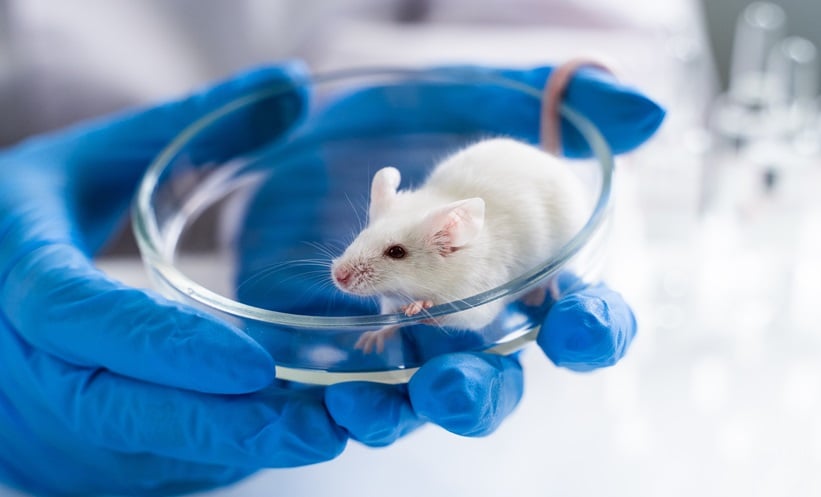
Using mice fed a fat-, fructose-, and cholesterol-rich diet, the team showed that S100a11 knockout animals exhibited significantly lower lipid accumulation, fewer inflammatory foci, and reduced collagen deposition compared with wild-type controls. To isolate liver-specific effects, investigators then used AAV8-mediated shRNA delivery to suppress S100A11 expression directly in hepatocytes. Despite similar body weight, mice with hepatocyte-specific silencing displayed striking attenuation of steatohepatitis, confirming a primary intrahepatic role for S100A11 in MASH pathogenesis.
HK2 Identified as Key Metabolic Driver of Lipotoxicity
RNA sequencing revealed dysregulation of carbohydrate and lipid metabolism pathways following S100A11 silencing, highlighting hexokinase 2 (HK2) as a pivotal downstream node. HK2, normally low in healthy livers, was upregulated in both human MASH tissue and diet-induced murine MASH, but its induction was blunted when S100A11 was suppressed. Overexpression of HK2 alone was sufficient to trigger hepatic steatosis, even under normal nutritional conditions, whereas pharmacologic HK2 inhibition protected human hepatocytes from palmitate-induced lipid accumulation.
Targeting the S100A11–HK2 Lipogenic Pathway Shows Therapeutic Promise
Together, these findings support a model in which S100A11 promotes MASH through HK2-driven de novo lipogenesis and hepatocellular lipotoxicity. The authors suggest that both S100A11 and HK2 represent promising therapeutic targets and propose HK2 inhibition as a potential strategy to counteract disease progression in MASH.
Reference
Daniel PV et al. Silencing of S100A11 attenuates murine metabolic dysfunction-associated steatohepatitis. npj Gut and Liver. 2025;DOI:10.1038/s44355-025-00044-w.