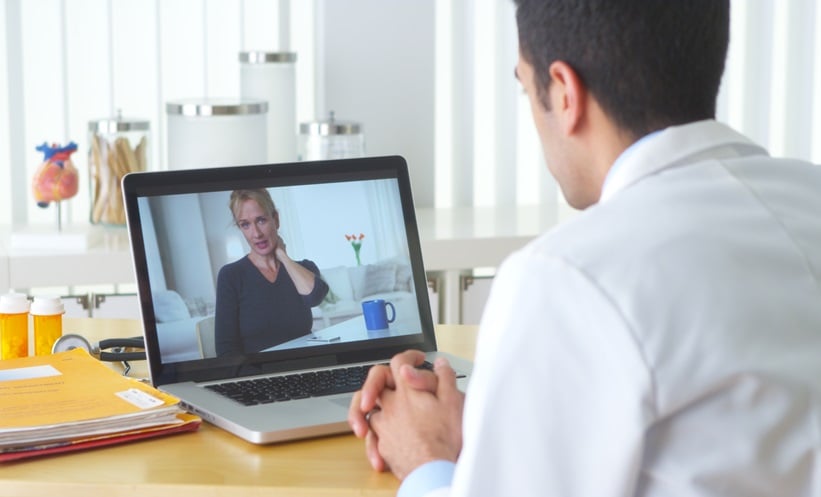
VIDEO-BASED patient records are emerging as a novel digital tool to support multidisciplinary care delivery for older adults with frailty, offering clinicians richer clinical context than traditional written documentation and verbal handovers can provide within busy acute hospital environments.
Why Video-Based Patient Records are Being Explored
Frailty affects a substantial proportion of older adults admitted to hospital and is commonly accompanied by multimorbidity and frequent care transitions. Traditional clinical documentation may struggle to convey subtle functional changes, mobility limitations, or cognitive and behavioural cues that are critical to safe and effective care planning. Embedding secure patient videos directly within electronic health records offers a potential method to enhance continuity of care and multidisciplinary team communication.
Researchers evaluated the Isla Health Digital Pathway Platform within acute medical wards to determine whether video-based patient records could be acceptably and feasibly implemented while also assessing their perceived clinical value.
Pilot Study Findings in Older Adults with Frailty
Twenty-nine older inpatients were enrolled into the pilot programme across three acute wards. Safeguards addressing information governance, patient dignity, and secure data storage were viewed positively by patients, carers, and clinicians, resulting in high levels of acceptability. Staff captured a wide variety of videos, including recordings documenting seizures, baseline mobility, and functional abilities, demonstrating broad recognition of potential clinical applications.
Feasibility findings were mixed. While recruitment exceeded expectations and sample diversity suggested equitable applicability, implementation challenges were reported. Time pressures, ward workload, and scheduling difficulties limited video capture opportunities. More notably, engagement with recorded videos by clinical staff was low, with estimates indicating that more than half of captured videos were never viewed. Despite these barriers, participants perceived potential benefits for clinical assessment accuracy, person-centred care delivery, care continuity, and multidisciplinary team communication.
Implications for Digital Frailty Care Models
The findings indicate that video-based patient records hold promise for improving certain aspects of frailty care, but implementation strategies must be refined to ensure sufficient staff engagement. Future development should focus on workflow integration, staff training, and automated prompts to increase video utilisation, thereby maximising the clinical value of recorded patient information.
Reference
Averill P et al. Acceptability, feasibility, and perceived effectiveness of video-based patient records for supporting care delivery to older adults with frailty: nonrandomized mixed methods pilot study. J Med Internet Res. 2026;28:e77318