BACKGROUND AND AIMS
A critical global supply chain shortage resulted in the CDC recommending hospitals establish conservation plans in late July 2024 for Becton Dickson (BD) BACTEC blood culture bottles (BD, Franklin Lakes, New Jersey, USA).1 Data on the clinical results from these conservation efforts are lacking, particularly in high-risk immunocompromised patients.
The objective of this study was to describe the outcomes of blood culture (BCx) stewardship interventions aimed at conserving BCxs during the shortage while preserving patient care and safety.
MATERIALS AND METHODS
Each BCx accounted for two blood culture bottles. Utilization and positivity rates were determined pre-intervention (1/1/2024 to 7/31/2024), and a goal reduction in daily use was established. Conservation efforts to reduce daily utilization of BCx included: removing recurring and as-needed BCx order options, discontinuing surveillance BCx, electronic health record alert for ordering BCx within 48 hours of a prior order or in the outpatient setting, education on high-yield versus low-yield clinical scenarios for BCx, and modifications to acute cancer care center sepsis alerts. A BCx utilization rate post-intervention (8/1/2024 to 12/31/2024) was tracked through a developed electronic health records dashboard. BCxs drawn, BCX positivity rates, and organism distribution were assessed pre- and post-intervention. BCxs drawn were standardized by days present (the number of patients present at any time on a given day in each patient care location) to account for patient volume over time. The resulting values are represented as BCxs per 1,000 days present. Skin flora contaminants were defined as BCx growing any coagulase-negative Staphylococci (non-lugdunensis), Bacillus (non-cereus) spp., Corynebacterium (non-jeikeium) spp., and Micrococcus spp. without the presence of concomitant Gram-negative or pathogenic Gram-positive organisms. Descriptive statistics were calculated using mean values and compared using the Wilcoxon rank-sum test.
RESULTS
During the intervention period, diagnostic stewardship efforts decreased BCxs drawn from 224 to 99 BCx per 1,000 days present (p=0.001) while maintaining overall BCx positivity rate at 12.1% compared to 11.3% pre-intervention (p=0.183). Skin flora recovery rate decreased from 2.00 to 1.03 contaminants per 1,000 days present (p=0.001), while recovery rate was maintained for Gram-negative organisms at 2.72 per 1,000 days present compared to 3.41 (p=0.060), with no appreciable change in hospital-wide all-cause mortality (Figure 1). Overall, BCx stewardship efforts at the authors’ institution during a global BCx bottle shortage resulted in a 56% reduction in total BCxs drawn while retaining comparable positivity rates and all-cause mortality, including in the acute cancer care center for septic patients. Additionally, skin flora contaminant recovery was reduced by 49% while isolation of important pathogens like Gram-negatives was unchanged.
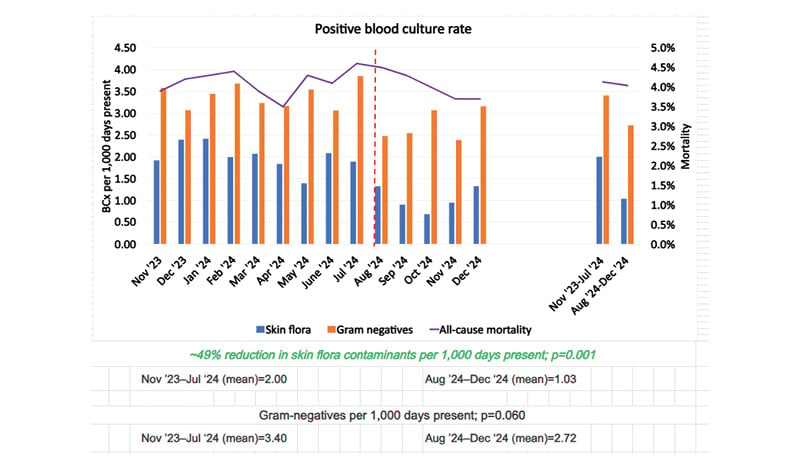
Figure 1: Organims per 1,000 days present.
BCx: blood culture.
CONCLUSION
This study highlights that diagnostic stewardship efforts in a comprehensive cancer center can reduce low-yield blood culturing without compromising patient care and safety.2