THE WORLD’S first early warning system for dengue fever has been launched by researchers at the London School of Hygiene & Tropical Medicine.
The Global Dengue Observatory draws together the latest data from 88 countries worldwide to estimate the current number of dengue cases each month at both national and continental levels.
The warning system is designed to give researchers, governments, and the public a real-time picture of the global dengue landscape.
It includes an outbreak forecasting system that gives direct and immediate measures of the impact of climate change on dengue outbreaks, as well as a range of other diseases.
The dashboard will be updated monthly, to give the most accurate picture of dengue cases worldwide and how infection rates change in response to, for example, environmental changes or public health interventions.
2026 Figures
As of 26 February 2026, there are an estimated 253,173 dengue cases reported globally.
This figure is below the five-year average for this time of year.
Researchers forecast that the dengue season is expected to begin to peak in several countries worldwide this month, notably in Brazil and Argentina.
Monitoring Outbreaks
Researchers emphasised that the dashboard is intended to help policymakers and healthcare professionals assess the severity of outbreaks worldwide, with a view to determining whether additional control measures are necessary.
For example, spraying insecticides or organising community clean-up programmes to remove stagnant water in containers.
People travelling can also use the system to understand their own risk and mitigate it through precautionary measures.
Dengue
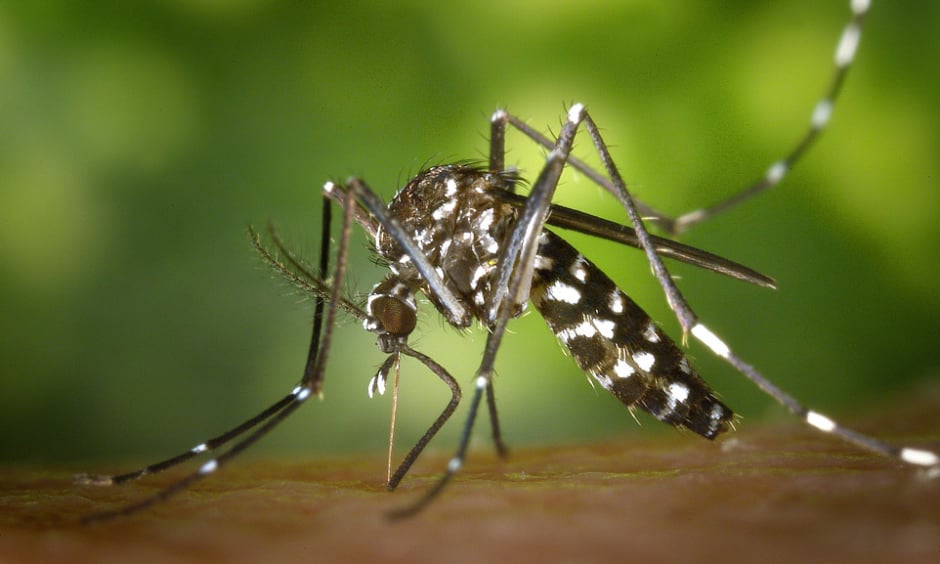
Dengue is a viral infection caused by the dengue virus, transmitted to humans through infected mosquitoes.
WHO estimates that around 100 to 400 million infections occur each year, with approximately half of the world’s population now at risk.
Dengue can occasionally cause severe cases and mortality and there is no specific treatment.
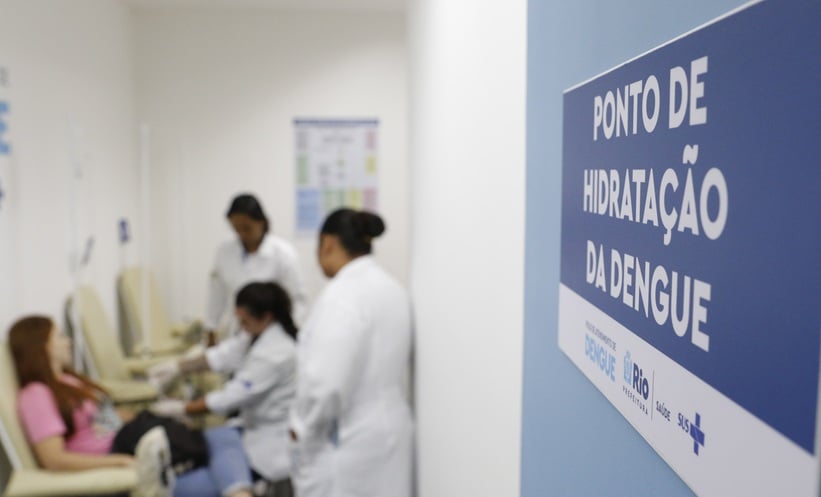
Regular outbreaks can also overwhelm healthcare systems.
Thus, early detection and access to proper medical care greatly can significantly decrease fatality rates of severe dengue.
Reference
World Health Organization. Dengue. 2025. Available at: https://www.who.int/news-room/fact-sheets/detail/dengue-and-severe-dengue. Last accessed: 9 March 2026.
Featured image: Picture Creative on Adobe Stock