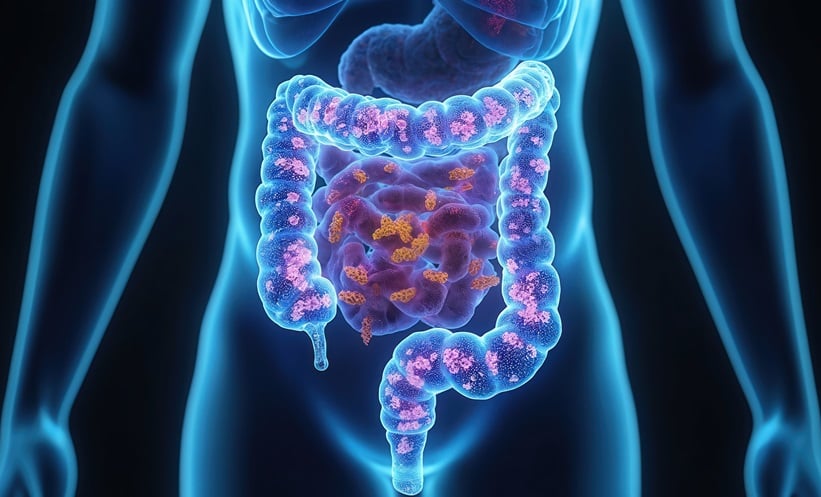
EARLY changes in the gut microbiota can predict long-term complications following acute pancreatitis, according to a large Europe-wide study. Researchers found that microbial patterns present at hospital admission were strongly associated with later disease progression and metabolic complications.
Why Gut Microbiota Matter in Acute Pancreatitis
Acute pancreatitis is a potentially life-threatening inflammatory condition, most commonly caused by gallstones or excessive alcohol consumption. Although many patients survive the acute episode, a substantial proportion develop long-term complications, including recurrent acute pancreatitis, chronic pancreatitis, diabetes mellitus, pancreatic cancer, or exocrine pancreatic insufficiency. The biological mechanisms driving these late complications remain poorly understood, limiting opportunities for early risk stratification and prevention.
Microbiota Profiling and Prediction of Long Term Outcomes
In this prospective multicentre study, researchers analysed gut microbiota data from 277 patients with acute pancreatitis across 15 European pancreatic centres. Buccal and rectal swabs were collected within 72 hours of hospital admission and analysed using Oxford Nanopore sequencing, allowing bacterial identification at species level. Patients were followed for a median of 2.8 years after discharge.
Significant differences in gut microbiota composition were observed in patients who later developed postdischarge mortality p equals 0.04, recurrent acute pancreatitis p equals 0.02, or diabetes mellitus p equals 0.03. A ridge regression model incorporating 11 bacterial species predicted postdischarge diabetes mellitus with an area under the receiver operating characteristic curve of 94.8% in the matched cohort and 86.2% in the full cohort. The model achieved an accuracy of 95%, with a positive predictive value of 66.6% and a negative predictive value of 96%.
Clinical Implications and Future Directions
These findings suggest that gut microbiota profiling at hospital admission could enable early identification of patients at high risk of long-term complications after acute pancreatitis. Importantly, the associations remained independent of pancreatitis severity, smoking status, alcohol use, age, sex, and antibiotic exposure. The results raise the possibility that microbiota-driven metabolic pathways contribute directly to disease progression and metabolic dysfunction. Ongoing global follow-up studies aim to validate these findings and explore whether microbiota-based monitoring or targeted interventions could reduce long-term morbidity.
Reference
Ammer-Herrmenau C et al. Gut microbiota predict development of postdischarge diabetes mellitus in acute pancreatitis. Gut. 2025;DOI:10.1136/gutjnl-2025-336715.