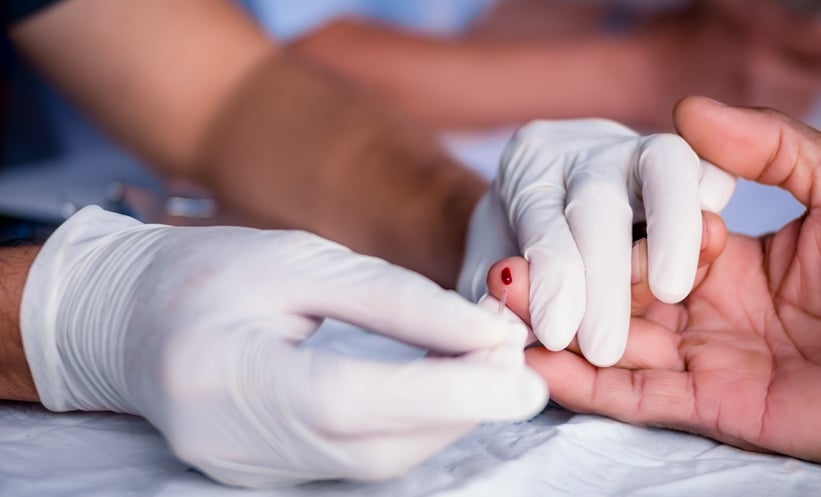
NEW HIV post-exposure prophylaxis guidance updates regimens shortens HIV testing follow-up and weighs undetectable viral loads now.
Updated HIV Post-Exposure Prophylaxis Guidelines
A new update to HIV post-exposure prophylaxis (PEP) guidance for healthcare settings revises how occupational exposures should be assessed, treated, and monitored. The recommendations refresh earlier guidance from 2013 in response to newer antiretroviral options, improved understanding of the detection window for different HIV tests, and evolving evidence on transmission risk when a source patient has an undetectable viral load.
The updated guidance is intended for clinicians and teams responsible for post-exposure management of healthcare personnel, including those supporting urgent triage decisions after needlestick injuries or other blood and body fluid exposures. Recommendations were developed through systematic evidence review and external expert input.
What Has Changed for HIV PEP Regimens and Monitoring
Key updates include new antiretroviral drug regimens for HIV post-exposure prophylaxis and a shortened schedule for follow-up HIV testing after an exposure. The guidance also removes routine laboratory testing for antiretroviral toxicity during PEP in most cases, a change that may streamline follow-up where baseline risk is low and clinical monitoring is appropriate.
Another notable addition is more explicit consideration of HIV post-exposure prophylaxis when the source patient has undetectable viral loads, reflecting growing evidence on the relationship between viral suppression and transmission risk. The document emphasizes that exposure assessment should remain individualized, with expert consultation encouraged for complex scenarios.
Core Principles Remain Central
While regimens and follow-up logistics have evolved, the guideline authors reiterate that foundational strategies still underpin safe occupational exposure management. These include primary prevention in the workplace, prompt reporting and evaluation of exposures, adherence to recommended HIV post-exposure prophylaxis regimens when indicated, and structured follow-up for exposed healthcare personnel.
Together, the updates aim to align HIV post-exposure prophylaxis with contemporary testing and treatment realities while maintaining a clear, practical approach for frontline teams managing time-sensitive exposures.
Reference: Kofman AD et al. 2025 US Public Health Service Guidelines for the Management of Occupational Exposures to Human Immunodeficiency Virus and Recommendations for Post-exposure Prophylaxis in Healthcare Settings. Infect Control Hosp Epidemiol. 2025;46(9):863-873.