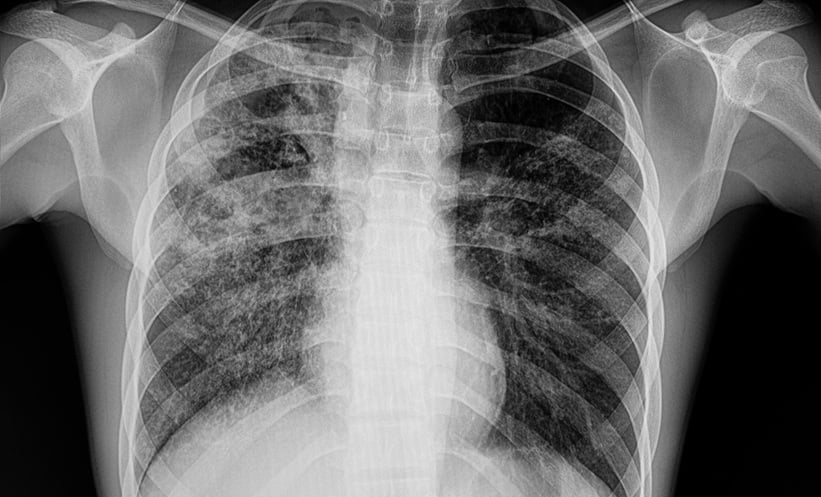
MEASLES, mumps, rubella, and varicella cases in Military Health System beneficiaries declined from 2019 through 2024, notably, too.
MMR/V Surveillance in the Military Health System
A surveillance report evaluated measles, mumps, rubella, and varicella (MMR/V) among service members and other beneficiaries of the U.S. Military Health System (MHS) from 2019 through 2024. Investigators queried the Defense Medical Surveillance System to identify both confirmed and possible MMR/V cases during the six-year period.
Across all MHS beneficiaries, the total counts included 8 confirmed and 71 possible measles cases, 18 confirmed and 193 possible mumps cases, 13 confirmed and 265 possible rubella cases, and 251 confirmed and 4,554 possible varicella cases. Over the surveillance window, the report described decreasing numbers of confirmed and possible cases for all four infections.
Measles, Mumps, Rubella, and Varicella Case Patterns
Varicella accounted for the largest number of reported infections in this dataset, including both confirmed and possible cases. Measles case counts were low overall, and the authors reported that no measles cases were observed among U.S. service members during the surveillance period.
The report also described vaccination status among service members with MMR/V. Most service member cases were reported as either partially vaccinated, or having vaccination records that were not available in the queried data. The authors noted that MMR/V cases decreased over time and highlighted continued vaccination against MMR/V as a factor in limiting morbidity among U.S. service members, pointing to lower case counts in service members, who are required to be vaccinated, compared with non-service members.
Reference: Mabila SL. Measles, mumps, rubella and varicella among service members and other beneficiaries of the Military Health System, 2019-2024. MSMR. 2026;32(10):3-8.