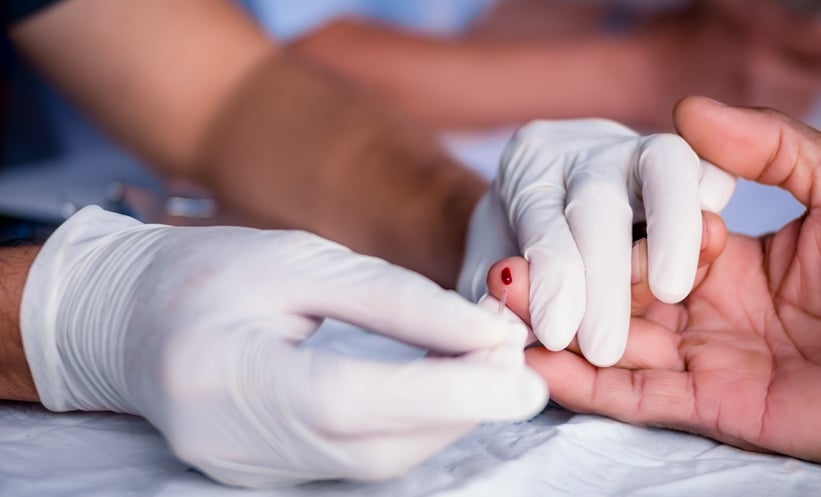
COMMUNITY-ACQUIRED pneumonia caused by Mycoplasma pneumoniae can be difficult to recognize at first presentation in the emergency department, which often leads to broad-spectrum or ineffective empiric therapy. In this retrospective single-center study, investigators analysed 81 patients diagnosed with M. pneumoniae community-acquired pneumonia between January 2023 and June 2024. Patients were managed either with point-of-care multiplex PCR performed in the emergency department or with standard laboratory testing performed in the main microbiology laboratory.
The primary outcome was the appropriateness of initial antibiotic therapy, defined as treatment with a macrolide alone, or a tetracycline or fluoroquinolone in patients with allergy, and combination with a third-generation cephalosporin in severe disease. The authors compared prescribing patterns and resource use between groups.
Point-of-Care PCR In The Emergency Department
Initial antibiotic therapy was appropriate in 65% of patients in the point-of-care group, compared with 16% in the laboratory-testing group. This corresponded to an adjusted odds ratio of 9.9, with a 95% confidence interval from 3.4 to 29.1 and a p-value below 0.001. These findings suggest that rapid point-of-care testing can align empiric therapy more closely with the suspected pathogen in M. pneumoniae community-acquired pneumonia.
Point-of-care testing in the emergency department was also associated with fewer additional biological and radiological investigations. By reducing diagnostic uncertainty at the bedside, rapid multiplex PCR may help streamline assessment pathways and shorten time spent on avoidable tests.
Implications for Antimicrobial Stewardship
The study indicates that implementing point-of-care multiplex PCR for M. pneumoniae in emergency settings can support antimicrobial stewardship by enabling more targeted antimicrobial therapy and more judicious use of healthcare resources. Although the study was limited to a single center and a modest sample size, the observed improvement in initial prescribing and reduction in additional testing are clinically meaningful.
Larger multicenter evaluations are needed to confirm these results, assess the impact on overall healthcare costs, and clarify how best to integrate point-of-care devices into routine clinical workflows for community-acquired pneumonia.
Reference: Guenezan J et al. Impact of point-of-care multiplex PCR for Mycoplasma pneumoniae community-acquired pneumonia in the emergency department. Eur J Clin Microbiol Infect Dis. 2025;doi: 10.1007/s10096-025-05370-8.