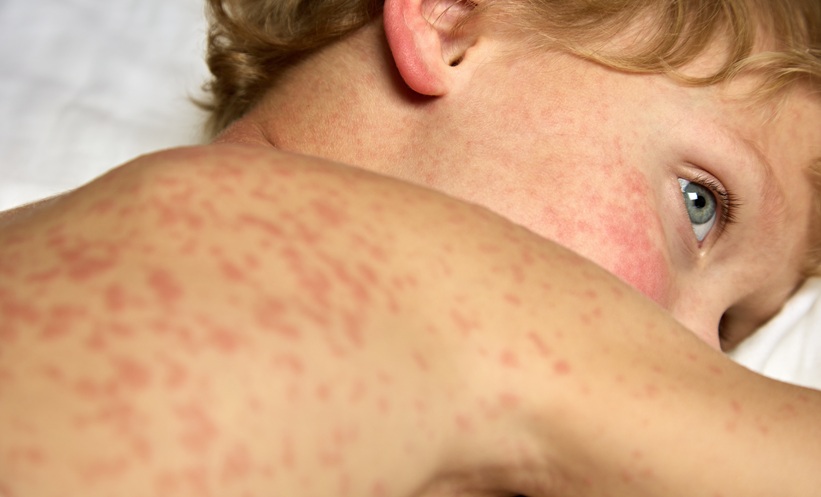
PEOPLE with HIV now live far longer thanks to effective treatment, but ageing brings new challenges, including frailty in people with HIV and a higher risk of falls. Frailty is a syndrome of reduced strength, endurance, and physiological reserve that leaves older adults more vulnerable to illness, disability, and injury; prefrailty is an earlier, milder stage on the same spectrum.
Frailty in People with HIV Linked to Major Health Losses
Using a decision analytic model called the Frailty Policy Model, researchers simulated adults aged 40 years and over with HIV and viral suppression in the USA, reflecting an estimated 522,000 people. On average, these individuals were 56 years old, 25% were women, and nearly half were already in a prefrail or frail state. The model projected a remaining life expectancy of just over 20 years, with around 12 of those years spent living with prefrailty or frailty and roughly 10 falls per person over a lifetime.
When results were scaled to the national level, the projected clinical burden of frailty in people with HIV was significant. Prefrailty alone was associated with 31,000 life-years lost and 214,000 quality-adjusted life-years (QALYs) lost, alongside 5.0 billion dollars in lifetime healthcare costs. Full frailty was linked to 1.35 million life-years lost, 1.09 million QALYs lost and 8.8 billion dollars in costs, while falls accounted for a further 183,000 life-years lost, 141,000 QALYs lost and 3.4 billion dollars in costs.
Why Frailty in People with HIV Matters for Practice
For clinicians working in HIV care, these modelling results underline that frailty in people with HIV is not a niche concern but a major driver of lost healthy life and spending. Although the study is based on projections rather than direct clinical follow-up, it suggests that systematically identifying, preventing, and treating prefrailty, frailty, and falls could yield substantial clinical and economic benefits in this population. Integrating simple frailty assessments, falls risk screening, and targeted interventions such as exercise, bone health management, and medication review into routine HIV care may help older patients maintain independence and quality of life as they age.
Reference
Smith KC et al. Modeled health and economic burden of frailty and falls among adults with HIV. JAMA Netw Open. 2026;9(1):e2554809.