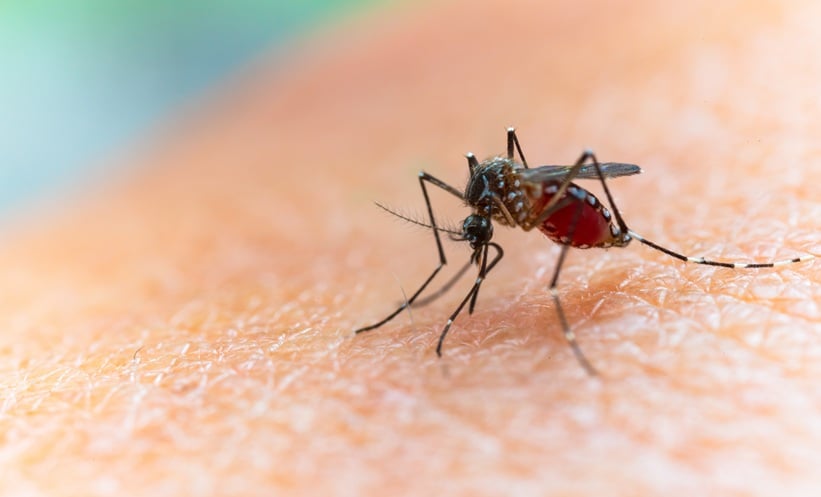
DENGUE is increasingly affecting older adults since 2024 complicating diagnosis as severe outcomes increase worldwide dramatically.
Dengue in Older Adults: A Growing Clinical Problem
A narrative review highlights dengue as an urgent and evolving clinical challenge, with epidemiological trends showing a rising median age of infection and increasing numbers of patients aged over 65 years. While dengue has often been viewed as a pediatric illness, this shift toward older populations is changing the burden of disease and the complexity of care. Older patients are more likely to experience severe dengue, longer hospital stays, healthcare-associated infections, and higher mortality, underscoring the need for more age-specific clinical awareness and planning.
Why Aging Worsens Dengue Outcomes
The authors describe several mechanisms that may drive worse outcomes in older adults with dengue infection. Declining immune function, combined with multimorbidity and frailty, can reduce resilience during acute infection. Key biological contributors discussed include antibody-dependent enhancement, cytokine dysregulation, and endothelial dysfunction, all of which may amplify inflammation and increase disease severity. Together, these factors may help explain why dengue infection can progress more aggressively in older individuals than in younger patients.
Diagnostic Gaps and Limited Treatment Options
The review emphasizes that dengue diagnosis in older adults can be particularly challenging, partly due to atypical symptoms that may delay recognition. At present, there are no specific prognostic markers to guide risk stratification in this population, and no specific antiviral drugs are available. Management therefore requires careful age-specific considerations, especially given the risks posed by comorbid disease and potential complications during hospitalization.
Prevention Needs, Including Vaccines
Evidence on immunomodulatory and antiviral approaches is emerging, but clear clinical pathways remain limited. The review also notes that vaccine efficacy and safety data in older adults are still constrained, despite growing interest. With global populations aging and dengue incidence rising, the authors call for comprehensive, practical guidelines tailored to dengue in older adults, spanning diagnosis, treatment, prevention, and infection control.
Reference: Author information not provided. Dengue and Aging: Challenges and Opportunities in Prevention and Care. A narrative review. Journal details and DOI not provided.