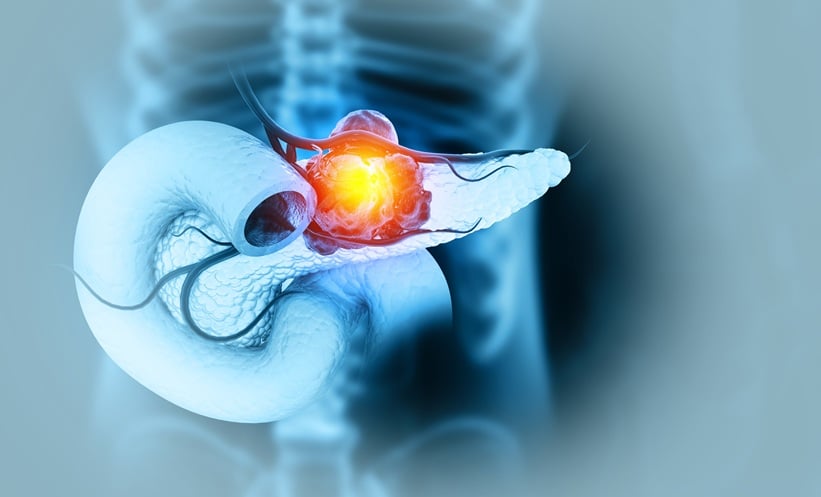
CANCER diagnosis was linked to cardiovascular disease mortality in UK Biobank, implicating inflammation and coagulation proteins.
Cardiovascular Disease Mortality Risk After Cancer
Cancer survivors are increasingly living long enough for noncancer outcomes to shape prognosis, and cardiovascular disease mortality is a major concern. In this UK Biobank cohort, investigators studied 379,944 participants who had no cardiovascular disease at baseline. The analysis included 65,047 individuals with a diagnosed cancer and compared them with participants without cancer, using cardiovascular death as the primary end point.
After multivariable adjustment, cancer diagnosis was associated with a higher risk of cardiovascular death, with a hazard ratio of 1.50 (95% CI, 1.40 to 1.61). The authors interpreted this signal as consistent with a clinically meaningful elevation in cardiovascular disease mortality that warrants attention across survivorship care.
Proteomics Highlight the Coagulation Cascade and Inflammation
To explore potential mechanisms, the investigators applied proteomic analyses alongside the clinical risk models. Proteomic patterns supported a strong association between cancer and cardiovascular outcomes, with pathway signals concentrated in complement activity, the coagulation cascade, and broader inflammatory processes. These findings suggest that altered expression of inflammation and coagulation related proteins may be one biologic link between cancer and subsequent cardiovascular disease mortality.
From a clinical standpoint, the authors recommended heightened focus on potentially modifiable contributors that cluster with these pathways. They specifically emphasized management of endocrine and kidney related risk factors, as well as inflammation related risk factors, in patients with cancer.
Shared Genetics Were Limited
Genome wide and phenome wide association analyses identified only a limited number of shared genetic variations between cancer and cardiovascular conditions. The overlaps that did emerge were tied to common clinical phenotypes, including hypertension and arrhythmias, rather than a broad shared genetic architecture.
Taken together, the study positions cardiovascular disease mortality as an important competing risk after cancer diagnosis and frames proteomic inflammation and coagulation signals as candidate mechanisms that may inform future cardio oncology research and risk stratification.
Reference: Du Y et al. Risk of Cardiovascular Disease Mortality in Patients With Diagnosed Cancer and Associated Genetic and Proteomic Mechanisms: A UK Biobank Based Cohort Study. J Am Heart Assoc. 2025; doi:10.1161/JAHA.125.044826.