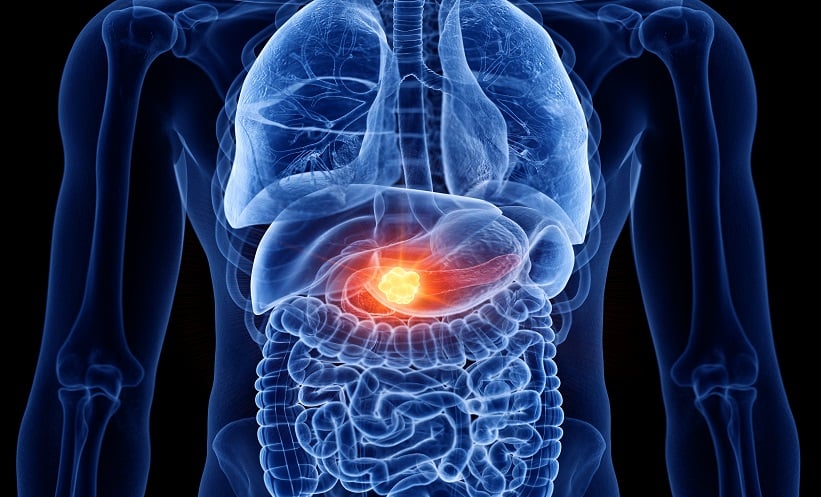
A new targeted treatment has shown encouraging results for patients with a rare form of pancreatic cancer, offering fresh hope for a disease that remains among the hardest to treat. The oral drug, garsorasib, blocks a specific tumour-driving mutation known as KRAS G12C and has already demonstrated activity in lung and colorectal cancers.
Pancreatic cancer with KRAS mutations is notoriously resistant to treatment. KRAS G12C accounts for only a small share of cases but identifying this mutation allows patients to receive precision therapies designed to shut down a key cancer growth pathway.
Nearly half of patients responded
Data from two international phase 1/2 clinical trials were combined for a new analysis assessing both the effectiveness and safety of garsorasib. The study included 24 patients with advanced pancreatic cancer carrying the KRAS G12C mutation, treated at centres worldwide. Participants received 600 mg of the drug twice daily.
With a median follow up of 8.9 months, 22 patients were considered evaluable for response. Among them, the confirmed objective response rate reached 45.5% (95% CI: 24.4–67.8), meaning nearly half saw their tumours shrink. Responses lasted a median of 6.4 months (95% CI: 4.2–16.4). Progression free survival, the period before the disease worsened, was 7.6 months (95% CI: 3.3–8.5). At six months, 79.2% (95% CI: 57.0–90.8) of patients were still alive, a notable outcome in a cancer where survival is often measured in months.
Side effects manageable
Three-quarters of patients (18 out of 24) experienced treatment related adverse events, most of which were mild to moderate. Six patients (25.0%) had Grade 3 or higher side effects, but none required stopping treatment. Researchers reported that the safety findings were consistent with earlier studies of the drug.
Encouraging early signal
Pancreatic cancer remains one of the leading causes of cancer deaths worldwide, and few targeted therapies have proven effective. While the trials are still in early phases and involve a small patient population, the results signal a meaningful step forward.
The investigators say the findings support continued development of garsorasib as a treatment option for KRAS G12C-mutated pancreatic cancer, with larger studies now needed to confirm the benefit and understand how long responses can be sustained.
Reference
Yamamoto N et al. Efficacy and safety of garsorasib in patients with KRAS G12C-mutated advanced pancreatic cancer. British Journal of Cancer. 2025; https://doi.org/10.1038/s41416-025-03286-w.