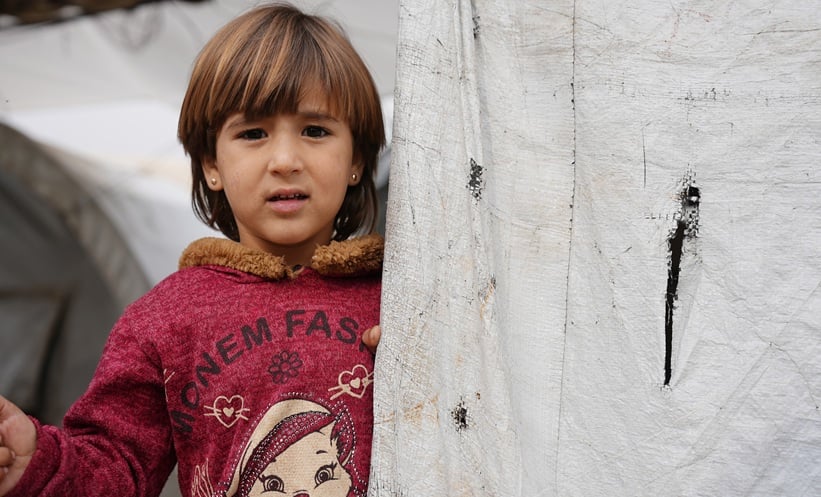
CANCER care in humanitarian settings remains fragmented, underprioritized, and urgently in need of cross-border policy solutions.
Cancer Care in Humanitarian Settings Remains a Policy Blind Spot
Cancer is an escalating challenge for refugees, migrants, and conflict-affected populations, yet oncology services remain largely absent from emergency health planning. Humanitarian responses continue to focus on trauma, infectious disease, maternal health, and malnutrition, while cancer care is often pushed aside despite the rising burden and the complexity of displaced patients’ needs.
This gap is not only logistical but systemic. Displaced patients frequently face interrupted medical records, legal uncertainty, delayed diagnosis, limited specialist access, and restricted availability of chemotherapy, radiotherapy, pathology, and pain relief. In many settings, treatment is delayed, interrupted, or never started at all.
Conflict Exposes Major Gaps in Oncology Access
Gaza, Sudan, and Ukraine illustrate how conflict can destabilize oncology delivery in different but equally serious ways. Damaged infrastructure, workforce displacement, supply chain disruption, and cross-border movement all undermine continuity of care, leaving many patients dependent on fragmented referrals and inconsistent access to treatment.
These disruptions do not affect all groups equally. Women, children, and older adults face some of the greatest barriers, while patients with advanced disease may have little access to palliative care. In low-resource crisis settings, clinicians may also be forced to make difficult triage decisions between curative treatment and symptom control, often without clear frameworks or sufficient support.
Tele-Oncology and Cross-Border Oncology Offer a Path Forward
More structured and equitable models are needed to move beyond reactive, case-by-case responses. Promising strategies include bilateral or regional treatment agreements, humanitarian oncology corridors, tele-oncology, mobile diagnostic units, interoperable health records, and stronger coordination across health systems. Together, these approaches could help preserve diagnosis, treatment planning, referral pathways, and follow-up when patients are displaced across borders.
Major data and surveillance gaps also continue to limit progress. Without disaggregated registries and stronger data-sharing systems, displaced populations remain poorly represented in cancer control planning. Cancer care in humanitarian settings is therefore not an optional extension of emergency medicine, but a matter of dignity, justice, and global health equity.
Reference
Parmar P et al. Cancer without borders: Policy frameworks for oncology care in humanitarian and conflict settings. Oncotarget. 2026;17:139-155.
Featured Image: Mohammad Bash on Adobe Stock.