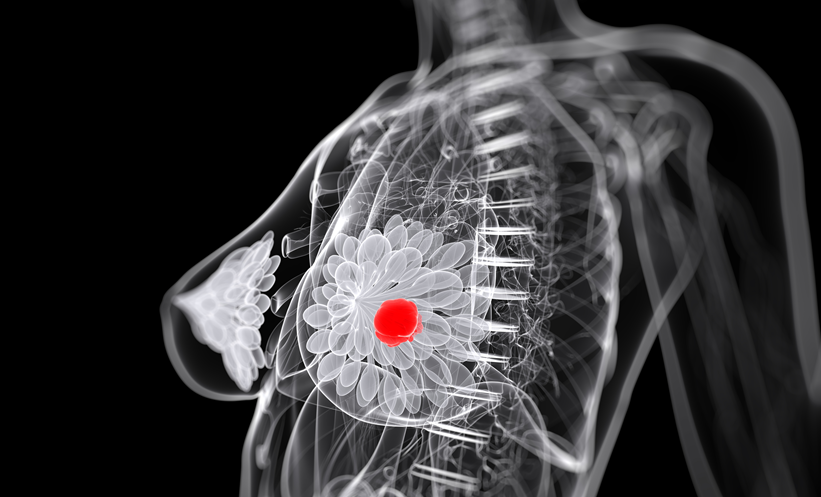
A PHASE 1 trial has found that single-fraction preoperative ablative stereotactic partial breast irradiation (sPBI) is safe and yields high pathological complete response rates in selected patients with early-stage hormone receptor-positive breast cancer.
sPBI trial explores innovative radiotherapy approach
In this nonrandomised dose-escalation trial, investigators evaluated whether a single-fraction radiotherapy strategy could offer an effective alternative to conventional surgery-first pathways for early-stage disease. Women with hormone receptor-positive, ERBB2-negative invasive breast cancer who did not require chemotherapy received sPBI at one of three dose levels (30 Gy, 34 Gy, or 38 Gy) delivered via MR-LINAC, robotic radiosurgery, or cobalt stereotactic units. All participants also received endocrine therapy and proceeded to surgery within 12 months. The study aimed to determine the maximum tolerated dose while assessing efficacy markers such as pathological complete response (pCR), near-complete response, local control and treatment-related toxicity.
Dose escalation and delayed surgery linked to strong outcomes
Across 44 participants (median age 64.5 years), the maximum tolerated dose was not reached, and adverse effects remained low, with only one Grade 3 event reported. pCR rates increased with dose (35.7%, 46.7% and 66.7% at 30, 34 and 38 Gy, respectively)while combined pCR and near-pCR rates exceeded 90% in the two higher-dose groups. Notably, delaying surgery beyond nine months emerged as a key predictor of achieving pCR. Among patients undergoing delayed surgery, the overall pCR rate was 72%, suggesting that tumour response may continue to evolve during prolonged endocrine therapy following sPBI.
Radiotherapy efficacy not dose-dependent at higher thresholds
Although response rates were favourable across dosing groups, statistical analysis indicated that longer time to surgery, not higher radiation dose, was significantly associated with pCR, with an odds ratio of 1.02. Local control remained 100% across all cohorts, and cosmetic outcomes were stable at 36 months. Acute toxicity was minimal, limited mainly to grade 1 events such as breast pain and dermatitis.
These findings support further investigation of single-fraction sPBI, particularly in combination with delayed surgery, as a potential non-surgical or minimally invasive option for selected early-stage hormone receptor-positive breast cancers.
Reference
Rahimi A et al. Ablative Preoperative Single-Fraction Radiation Dose Escalation Among Patients With Breast Cancer: A Phase 1 Nonrandomized Clinical Trial. JAMA Netw Open. 2025;8(11):e2543689.