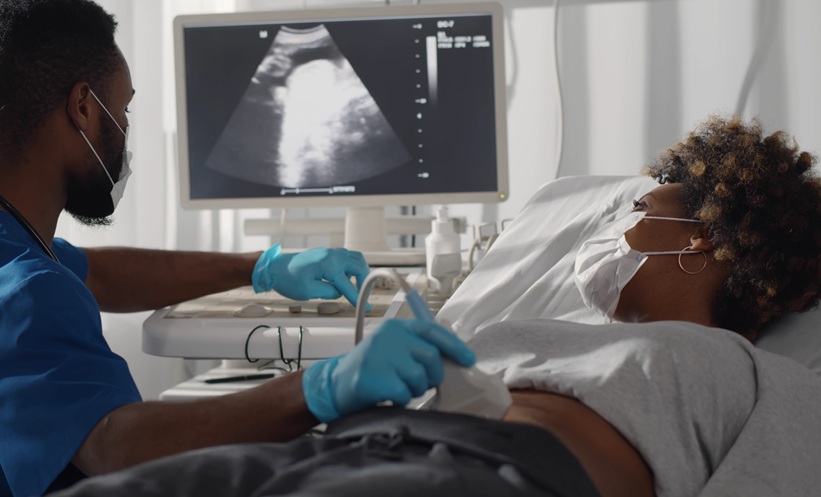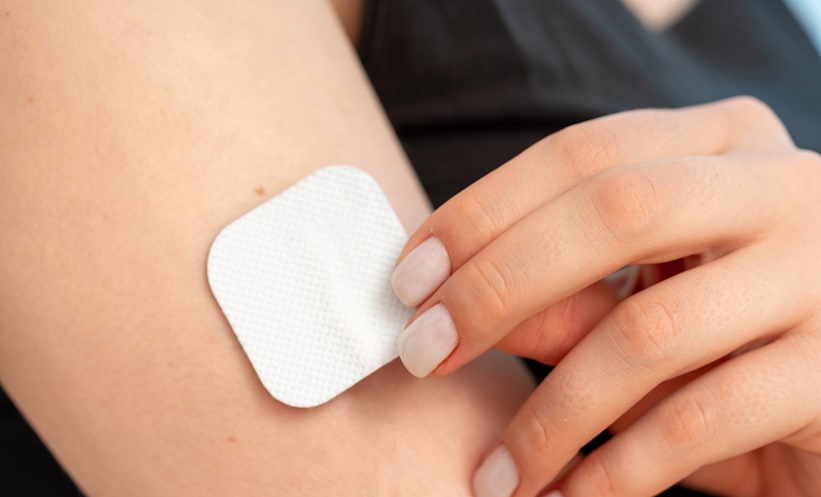
A LIGHT-TRIGGERED microneedle patch was tested as a potential alternative to the daily, time-sensitive hormone injections used ahead of in vitro fertilisation (IVF), with early animal data suggesting drug release could be “switched on” using near-infrared light.
Researchers developed a hydrogel microneedle patch containing upconverting nanoparticles coated with a light-breakable shell. The system was designed to release leuprolide, a gonadotropin-related IVF hormone, when exposed to near-infrared light, while keeping the nanoparticles trapped inside the patch rather than dispersing into tissue.
Microneedle Patch Enabled Timed Hormone Release
In rat experiments, a short (5-minute) near-infrared light pulse increased leuprolide release measured in both skin and plasma compared with no light exposure. Patch design also mattered: longer microneedles improved drug bioavailability, highlighting how device geometry could influence dosing performance in real use.
The work targeted a well-known IVF pain point: women commonly self-administer gonadotropin injections daily for around two weeks, and missed timing or dosing errors can add stress during ovarian stimulation. The authors positioned the microneedle patch as a route to more automated, on-demand delivery for time-critical regimens.
Infertility remained widespread globally, with the World Health Organization reporting around 1 in 6 adults experienced infertility in their lifetime, underscoring demand for patient-centred fertility care innovations.
Key limitations were noted: drug levels achieved in plasma were below human therapeutic targets reported for leuprolide injection, meaning substantial optimisation (e.g., patch size, dosing strategy, irradiation schedules) was still required before clinical translation.
Microneedle Patch Platform May Extend Beyond IVF
Beyond IVF, the investigators suggested that this microneedle patch platform could be adapted for other chronic conditions requiring repeated, time-sensitive injections, including diabetes and multiple sclerosis. By enabling automated, externally triggered dosing, near-infrared responsive systems may help reduce user error and improve adherence in hormone-dependent therapies.
Reference
Tam V et al. Upconverting Nanoparticle‐Loaded Microneedles for Near‐Infrared Responsive Delivery of Gonadotropins to Increase Success of In Vitro Fertilization. Small. 2026;22(1):e13138.