PREGNANT women living with HIV face global rates of tuberculosis (TB) almost six times higher than that of non-pregnant women without HIV, a 2026 rapid review has revealed.
Postpartum women living with HIV experience TB rates more than 3.5 times higher.
Despite this, pregnant and postpartum women remain under-represented in global TB estimates, researchers reported.
Tuberculosis During Pregnancy
It is well-established that TB infection during pregnancy carries significant maternal, perinatal, and infant health risks.
Authors noted that existing global estimates of TB incidence during pregnancy are outdated, failing to consider the postpartum period, HIV co-infection, age, or specific changes in risk.
Consequently, they said, understanding of the true scale of TB in the pregnant and postpartum women with HIV is limited.
Modelling Global TB Incidence
Researchers estimated global TB incidence using a population-based approach, searching across databases and using information from the ongoing ORCHID study.
They pooled together WHO TB incidence data by age and sex, as well as country-specific population and fertility statistics to estimate baseline rates.
Systematic-review based risk ratios were used to account for the elevated TB risk during pregnancy and postpartum.
Sixfold Higher TB Risk in Pregnant Women Living With HIV
Among women without HIV, TB incidence was 1.34 and 1.91 times higher during pregnancy and postpartum, respectively.
For women living with HIV, TB incidence saw a 5.73 time increase during pregnancy when compared with non-pregnant women without HIV.
It was 3.58 times higher during the postpartum period, measured against the same group.
In 2023, an estimated 239,500 pregnant and 97,600 postpartum women developed TB globally, researchers established.
HIV contributed 21.3% and 10.6% of cases, respectively.
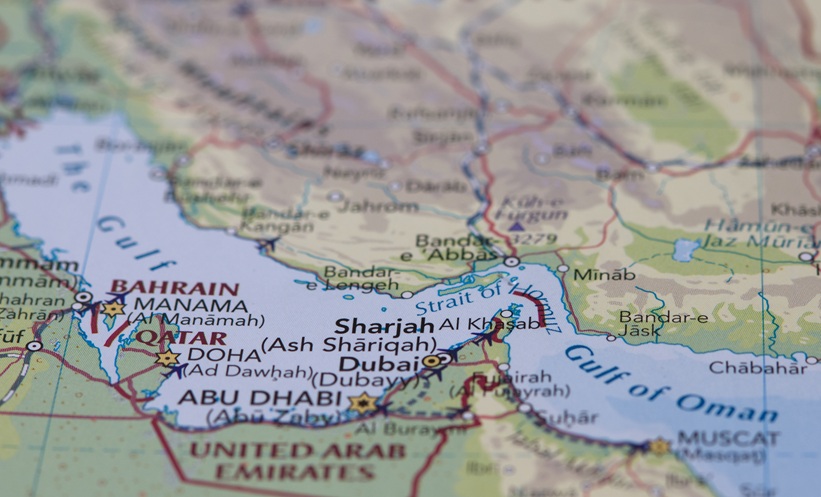
The region with the highest TB rates was the WHO African region, at an estimated 110,600 cases in pregnant women and 40,900 in postpartum women.
Following, the South-East Asia region saw 79,900 and 35,900 pregnant and postpartum women develop TB respectively.
Implications for Reproductive Care
Researchers emphasised the urgent need to improve TB surveillance in the sphere of reproductive health.
They recommended targeted screening and treatment interventions in settings with higher incidence rates during the pregnant and postpartum periods.
Alongside this, authors concluded that global TB monitoring should account for pregnancy-specific factors to address this overlooked risk factor of the disease.
Reference
Mafirakureva N et al. Global estimates of tuberculosis incidence during pregnancy and postpartum: a rapid review and modelling analysis. Lancet Glob Health. 2026;14(3):E337-E346.
Featured image: TommyStockProject on Adobe Stock