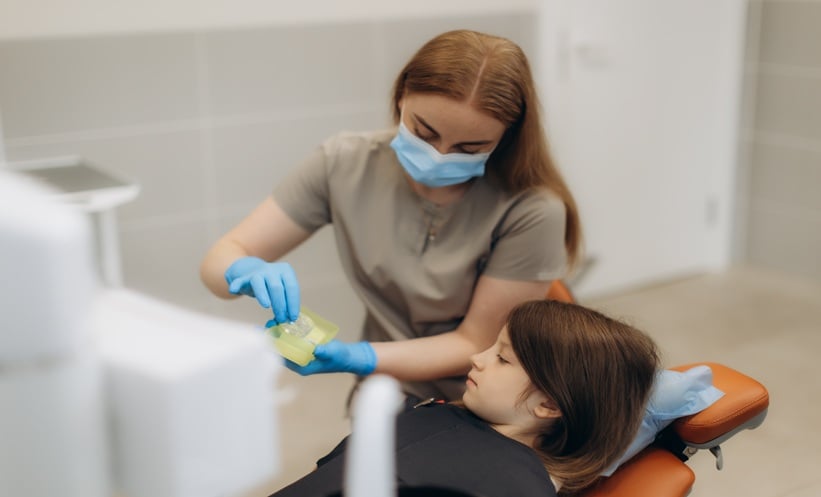
A LARGE cohort study from China suggests that pregnant women with low vitamin D levels may be more likely to have children who develop early dental caries, highlighting a possible new avenue for preventing one of the most common chronic diseases of childhood.
The study analysed data from 4,109 mother-child pairs enrolled in the long-running Zhoushan Pregnant Women Cohort between 2011 and 2021. Participants were followed from early pregnancy through their children’s early years, with maternal blood samples taken in all three trimesters to measure concentrations of 25-hydroxyvitamin D, the standard marker of vitamin D status. Children were monitored for signs of early childhood caries (ECC), including the number of decayed, missing, or filled primary teeth.
How Vitamin D Deficiency in Pregnancy Shapes Childhood Cavity Risk
Across the cohort, 960 children developed ECC, while 3,149 did not. Researchers found a consistent pattern: higher maternal vitamin D levels during pregnancy were associated with lower odds of ECC. The link appeared strongest in the mid- to late-pregnancy measurements. Although each incremental increase in vitamin D level conferred only a small reduction in risk, the effect was statistically significant across all trimesters.
When the team examined vitamin D status categorically, children of mothers with insufficiency, deficiency, or severe deficiency showed elevated odds of developing caries compared with those whose mothers had sufficient levels. Some of these associations weakened after adjustments for multiple comparisons, but the trend remained clear. Additional analyses showed that higher maternal vitamin D levels were connected not only to lower risk of ECC but also to less severe disease, reflected in reduced dmft scores and lower caries rates.
Vitamin D-Guided Strategies for Early Caries Prevention
The findings add new evidence to an ongoing debate about how prenatal nutrition shapes long-term oral health. While earlier studies have produced mixed results, the authors argue that their multi-trimester measurements and long follow-up strengthen the case for vitamin D’s protective role.
The study suggests that routine vitamin D screening and supplementation during pregnancy, or even before conception, may help reduce the burden of childhood dental caries, though clinical trials would be needed to confirm a causal relationship.
Reference
Xu N et al. Vitamin D Levels During Pregnancy and Dental Caries in Offspring. JAMA Netw Open. 2025; 8;(12):e2546166.