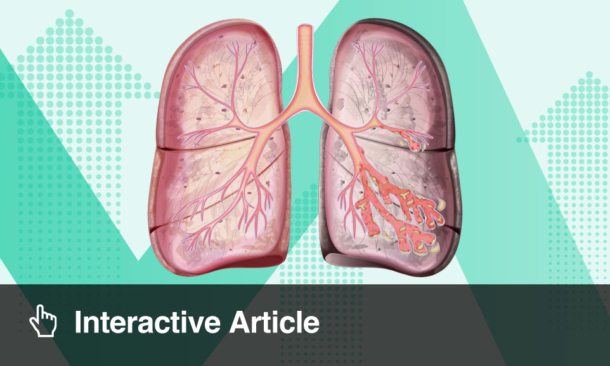
WOOD smoke exposure shifted microbiome composition and lowered macrophage counts in healthy adults within 24 hours.
Wood Smoke Exposure Alters Sputum Microbiome Signals
A controlled human exposure study offers new insight into how wildfire smoke may influence the respiratory tract beyond immediate irritation. Investigators enrolled 54 healthy volunteers and exposed them to wood smoke at 500 μg/m³ for 2 hours, then collected induced sputum at baseline, 6 hours, and 24 hours. Samples were analyzed for sputum microbiome composition, immune mediators, and inflammatory cell differentials to capture early biological shifts after exposure.
Microbiome diversity remained stable across timepoints, suggesting overall community richness did not change meaningfully after a single exposure. However, the sputum microbiome composition shifted, driven mainly by changes in several low abundance bacteria. Notable taxa included Fretibacterium and Selenomonas, supporting the idea that inhaled wood smoke can subtly reshape the airway microbiome even when broader diversity metrics appear unchanged.
Macrophage Changes Track with Microbial Shifts
Alongside microbiome findings, researchers observed a significant decrease in sputum macrophages at 24 hours compared with baseline. Neutrophil percentages did not significantly increase, highlighting that early immune effects in healthy adults may not always present as a classic neutrophil dominant response.
To explore relationships between microbial shifts and inflammation, the team applied a negative binomial mixed model to test associations between microbiome components and inflammatory cell measures per milligram of sputum. Several taxa showed small but significant links with macrophage counts, including a negative association between Fretibacterium abundance and macrophages. These data suggest early macrophage shifts may coincide with changes in low abundance airway microbes following wood smoke exposure.
A Wildfire Smoke Model with Clinical Relevance
With wildfire smoke events rising, clinicians increasingly encounter patients with recent smoke exposure and respiratory symptoms. This controlled model indicates that wood smoke exposure can modify low abundance members of the respiratory microbiome and coincide with measurable macrophage changes within a day, even in otherwise healthy individuals.
Although the clinical implications remain to be defined, the findings point to respiratory innate immune and microbiome crosstalk as a potential pathway through which environmental exposures shape airway biology. Future studies may clarify whether these early changes influence susceptibility, recovery, or longer term respiratory outcomes after wildfire smoke exposure.
Reference: Cobos-Uribe C et al. Human Sputum Microbiome Composition and Sputum Inflammatory Cell Profiles Are Altered with Controlled Wood Smoke Exposure as a Model for Wildfire Smoke. American Journal of Respiratory and Critical Care Medicine. 2025;211(11): DOI:10.1164/rccm.202407-1493OC.