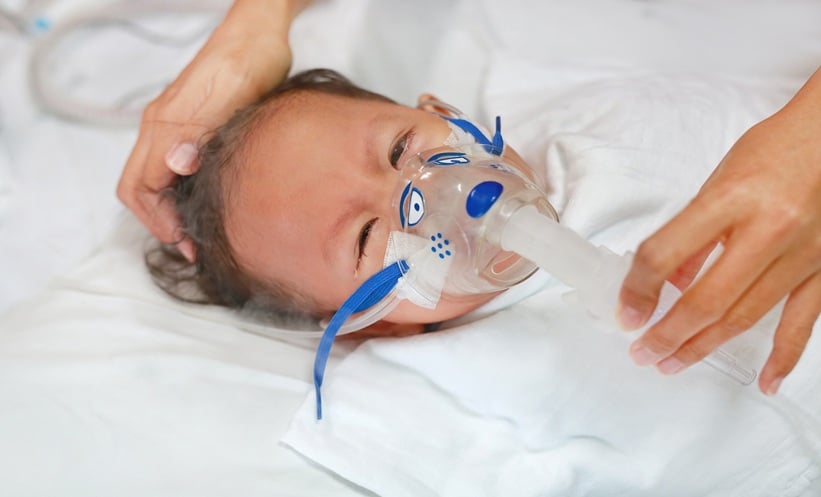
OBESITY hypoventilation syndrome treatment improved as acetazolamide with atomoxetine reduced mean CO2 and AHI, raising saturation.
Obesity Hypoventilation Syndrome Treatment: Proof-of-Concept Trial
Obesity-hypoventilation syndrome (OHS) is characterized by sleep and wake hypoventilation in the setting of obesity, driven by a combination of impaired ventilatory drive and sleep related upper airway vulnerability. If untreated, OHS carries substantial cardiopulmonary morbidity and mortality risk. Beyond lifestyle interventions, positive airway pressure (PAP) is the primary available therapy, but tolerability can limit real world uptake, leaving a gap for pharmacologic options.
To explore a drug based approach, investigators conducted a randomised, double masked, crossover trial in adults with OHS who were not receiving PAP. After baseline assessment, participants completed two treatment sequences: two weeks of acetazolamide 500 mg plus atomoxetine 100 mg daily and two weeks of placebo, with polysomnography and overnight transcutaneous CO2 (Ptcco2) measured after each sequence. Eligibility required BMI at least 35 kg/m².
Clinically Relevant Sleep and Gas Exchange Signals
Fifteen patients were randomised (median age 53 years; eight female; median BMI 44 kg/m²). Baseline disease burden was high, with median apnea hypopnea index (AHI) 64 events per hour and median nocturnal oxygen saturation 84%.
Compared with placebo, acetazolamide plus atomoxetine reduced mean nocturnal Ptcco2 by 5.8 mm Hg (95% CI, 7.8 to 3.7; P<0.001) and also lowered daytime CO2. Sleep disordered breathing improved, with a median AHI reduction of 20.9 events per hour (95% CI, 26.7 to 15.1; P<0.001). Oxygenation increased, with mean overnight oxygen saturation rising by 4.3% (95% CI, 2.8 to 5.7; P<0.001). No serious adverse events were reported over the treatment periods.
What This Could Mean for Practice
This short, proof-of-concept study suggests acetazolamide plus atomoxetine can improve sleep related hypoventilation and obstructive events in treatment naive OHS, supporting further trials to clarify durability, safety, patient selection, and how pharmacotherapy might complement, or improve adherence to, positive airway pressure strategies in routine care.
Reference
Perger E et al. Acetazolamide Plus Atomoxetine for Obesity Hypoventilation Syndrome Treatment. CHEST. 2026;169(2):527-537.