BACKGROUND AND AIMS
Social media (SM) has become an indispensable tool in healthcare, providing platforms for networking and education. However, its use presents challenges, including misinformation, professional boundaries, and platform-specific limitations. Building upon the Emerging European Alliance of Associations for Rheumatology (EULAR) Network survey, the authors aimed to characterize SM utilization within rheumatology globally.1
METHODS
The EULAR study group on social media (SoMeR) convened in March 2024 with global, multiprofessional representation. A 30-item survey was designed, validated, translated into six languages, and distributed via mailing lists and SM channels (the Emerging EULAR Network, the Pan-American League of Associations for Rheumatology [PANLAR] Joven, the Africa League of Associations for Rheumatology [AFLAR], and the Asia Pacific League of Associations for Rheumatology [APLAR] Young Rheumatology). Analysis employed the Human Development Index (HDI) and Internet Freedom Index (IFI) to assess digital divides.
RESULTS
The survey received 840 respondents, among whom 597 used SM (42.2% female; Figure 1A). SM adoption varied by region: Europe (97.3%) versus Asia-Pacific (88.6%). The top platforms used were YouTube (Google LLC, San Bruno, California, USA), Facebook (Meta Platforms, Menlo Park, California, USA), X (formerly Twitter; X Corp, Bastrop, Texas, USA), Instagram (Meta Platforms, Menlo Park, California, USA), and LinkedIn (Microsoft, Sunnyvale, California, USA; Figure 1B). Lower HDI regions reported more connectivity issues (28.1% versus 16.7%), while higher HDI regions cited legal restrictions (24.4%; Figure 1C).
IFI analysis showed that countries with restricted internet freedom paradoxically reported a higher positive impact from SM (4.04/5.00 versus 3.86/5.00; p<0.01).
Longitudinal analysis (2015–2023) revealed trends toward professional applications and away from networking functions. Respondents increasingly reported feeling overwhelmed by SM content (56.9%), particularly in South America and Africa (73.3% and 70.3%, respectively; p<0.01). Interest in digital communication was high (83.3%), with webinars being the preferred means of learning (41.1%; Figure 1D). Following these results, the SoMeR Study Group developed a consensus (“Declaration on the use of Social Media for Rheumatology professionals”) focusing on professional integrity, evidence-based communication, cohesive platforms, patient dignity, and inclusive engagement.2
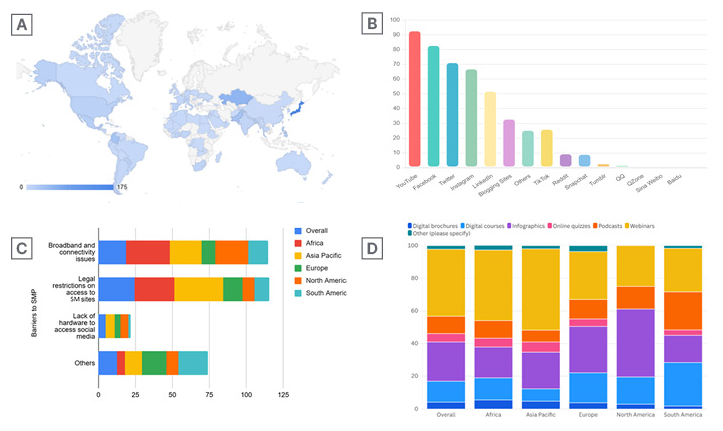
Figure 1: Social media use among rheumatology professionals.
A) Worldwide distribution of respondents. B) Choice of social media platform by respondents. C) Regional barriers to the use of social media. D) Format for course on social media learning event in medicine.
SM: Social media; SMP: social media platform.
Baidu: Baidu Inc., Beijing, China; Facebook: Meta Platforms, Menlo Park, California, USA; Instagram: Meta Platforms, Menlo Park, California, USA; LinkedIn: Microsoft, Sunnyvale, California, USA; QQ: Tencent Holdings Ltd., Shenzhen, China; QZone: Tencent Holdings Ltd., Shenzhen, China; Reddit: San Francisco, California, USA; Sina Weibo: Sina Corporation, Beijing, China; Snapchat: Santa Monica, California, USA; TikTok: Los Angeles, California, USA; Tumblr: Automattic Inc., San Francisco, California, USA; Twitter (now known as X), X Corp., Bastrop, Texas, USA; YouTube, Google LLC, San Bruno, California, USA.
CONCLUSION
This survey demonstrates SM’s integral role in rheumatology with significant regional variations, calling for targeted interventions addressing connectivity and legal concerns. Through strategic engagement with SM, and while upholding professionalism and scientific integrity, rheumatology’s digital presence can be transformed from isolated efforts to a cohesive global community.