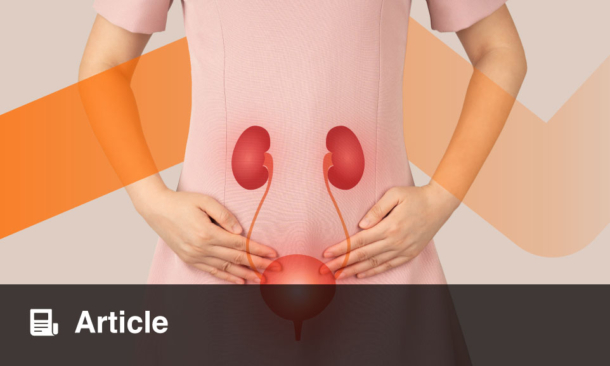
A MODIFIED form of water vapour thermal therapy may offer a safe and effective option for men with large-volume benign prostatic hyperplasia (BPH), according to new prospective research.
The study evaluated outcomes in 196 consecutive patients with prostate volumes of at least 80 mL who underwent treatment using the Rezūm system between October 2023 and September 2024. Large prostate size has traditionally limited the use of minimally invasive therapies, making the investigation of adapted techniques clinically relevant.
Significant Improvements in IPSS, QoL, and Urinary Flow Reported
Researchers reported that all procedures were completed successfully, with a median baseline prostate volume of 96 mL. Symptom severity, measured using the International Prostate Symptom Score (IPSS), showed marked improvement, decreasing from a mean of 21.2 at baseline to 11.7 at 3 months and 10.8 at 1 year. Quality of life scores improved substantially, falling from 4.3 to 1.7 during follow-up. Objective functional measures also improved: peak urinary flow rate (Qmax) increased from 8.3 mL/s pre-procedure to 15.7 mL/s at 3 months, while prostate volume declined to a median of 60 mL. All key clinical endpoints demonstrated statistically significant gains compared with baseline.
Importantly, investigators also observed potential benefits for sexual health. The International Index of Erectile Function-5 (IIEF-5) score rose from 11.0 before treatment to 14.1 at 1 year, suggesting a modest improvement in erectile function. Rates of sexual side effects appeared low, with retrograde ejaculation occurring in 3.1% of patients.
Minimally Invasive Option May Expand Treatment Pathways for Large BPH
Safety outcomes were favourable overall. Only one participant (0.5%) required surgical retreatment during the follow-up period, indicating durable early results in a population typically considered challenging to manage with minimally invasive approaches.
The authors conclude that modified water vapour thermal therapy could represent a promising alternative to more invasive surgical procedures for patients with large-volume BPH, offering meaningful symptom relief with a low complication profile. However, they emphasise that longer-term data, alongside comparative studies, will be important to confirm durability and establish the therapy’s place in treatment pathways.
Reference
Lu Q et al. Modified water vapor thermal therapy for large-volume benign prostatic hyperplasia. BMC Urol. 2026;doi: 10.1186/s12894-026-02050-3.