A NEW exploratory study that cell-free microRNAs (miRNAs) detected in urine may offer a non-invasive method for identifying aggressive molecular subtypes of invasive urothelial carcinoma (UC). The research focuses on three urinary miRNAs, miR-93-5p, miR-191-5p, and miR-31-5p, and their potential role in predicting basal-like and luminal-like immune phenotypes in bladder cancer.
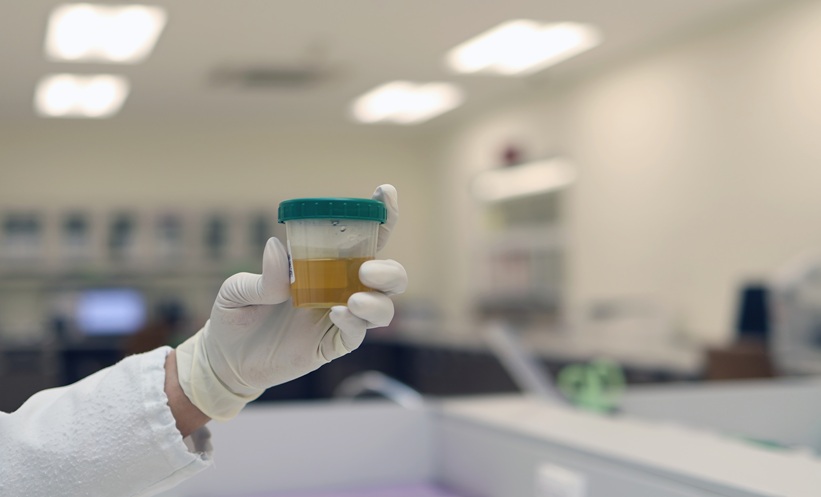
Bladder cancer molecular subtyping has growing clinical relevance, particularly for prognostication and therapeutic decision-making, but currently relies on invasive tissue sampling. In this single-centre study, investigators analysed morning urine samples from 49 patients with bladder cancer and 43 healthy controls. Tumours were classified as basal-like or luminal-like using quantitative, image-based immunohistochemistry, while urinary cell-free miRNA levels were measured using quantitative real-time PCR.
Association Between microRNA Expression and Tumour Grade
The results demonstrated distinct expression patterns associated with disease presence and subtype. MiR-191-5p was significantly downregulated in bladder cancer patients compared with controls, showing an approximately 24-fold decrease. This reduction was particularly pronounced in patients with luminal-like tumours, highlighting its potential as a marker inversely associated with invasive UC.
In contrast, miR-93-5p was markedly upregulated in basal-like tumours, with a 4.15-fold increase compared with healthy controls. Elevated miR-93-5p levels were also associated with several adverse pathological features, including high-grade disease, tumour necrosis, carcinoma in situ (CIS), and increasing tumour size. Notably, miR-93-5p demonstrated strong discriminatory ability for identifying CK5/6-positive (basal-like) tumours, achieving a robust receiver operating characteristic cut-off value in this cohort.
MiR-31-5p did not show strong independent discriminatory power but appeared to act as a complementary biomarker, particularly in the presence of CIS.
Implications for Non-Invasive Bladder Cancer Diagnosis
The authors conclude that urinary cell-free miR-93-5p and miR-191-5p show promise as rapid, non-invasive biomarkers for molecular subtype identification in bladder cancer. While larger, multi-centre validation studies are required, these findings support the potential clinical use of urine-based miRNA profiling to guide risk stratification and personalised management of invasive urothelial carcinoma.
Reference
Özden SB et al. Clinical utility of cell-free urine miR-93-5p, miR-191-5p, miR-31-5p for invasive urothelial carcinoma detection and immune signature-based subtyping. BMC Urol. 2026;doi: 10.1186/s12894-026-02047-y.