Key Summary:
- Grape skin extract improved Schirmer tear measurements after 12 weeks.
- Eye fatigue scores improved compared with placebo at week 12.
- Other dry eye measures showed no significant between-group differences.
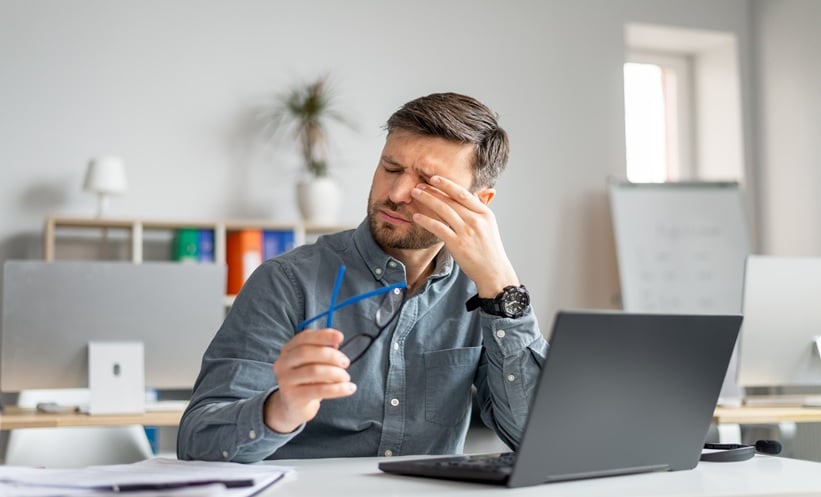
GRAPE skin extract improved tear production and eye fatigue in adults with dry eye symptoms after 12 weeks.
A randomized, double-blind, placebo-controlled trial found that daily supplementation with grape skin enzyme fermentation extract was associated with higher Schirmer test values and lower eye strain scores compared with placebo. However, improvements were not consistently seen across other measures of dry eye disease, making the results exploratory rather than confirmatory.
The 12-week study enrolled 68 adults with ocular fatigue and dry eye symptoms. Participants were randomly assigned to receive 400 mg of grape skin enzyme fermentation extract once daily or placebo, with 65 participants included in the per-protocol analysis.
At week 12, the baseline-adjusted difference in Schirmer I test values between groups was 4.46 mm in favor of grape skin extract (95% CI, 2.96–5.95; P<0.001). Mean Schirmer values increased from 8.74 mm to 10.97 mm in the supplementation group, while decreasing from 8.36 mm to 6.31 mm with placebo.
The researchers noted that the treatment difference therefore reflected changes in both groups and should not be interpreted as an increase attributable solely to supplementation.
Participants receiving grape skin extract also showed greater improvement in eye fatigue. Adapted Eye Strain Questionnaire scores declined from 17.42 at baseline to 10.03 at week 12, compared with a reduction from 18.47 to 15.03 with placebo.
The adjusted between-group difference was −4.29 points (95% CI, −8.39 to −0.19; P=0.041).
However, the validated Ocular Surface Disease Index did not differ significantly between groups at week 12. No significant differences were found for noninvasive or fluorescein tear break-up time, critical flicker fusion frequency, corneal staining, or conjunctival staining.
Two mild adverse events occurred during the study, neither considered related to treatment, and no serious adverse events were reported.
Importantly, the protocol did not establish a formal hierarchy among efficacy outcomes or adjust for multiple comparisons. The trial was also conducted at a single center, enrolled predominantly women, and was retrospectively registered.
The findings therefore suggest a potential signal for improved tear secretion and eye fatigue but do not establish grape skin extract as an effective treatment for dry eye symptoms. Larger, prospectively designed trials are needed to determine whether the observed effects are reproducible and clinically meaningful.
Reference
Kim H et al. Effects and Safety of Grape Skin Enzyme Fermentation Extract for Eye Fatigue and Dry Eye Symptoms: An Exploratory Randomized Controlled Trial. Ophthalmol Ther. 2026. doi:10.1007/s40123-026-01509-8.
Featured Image: Prostock-studio on Adobe Stock.
Featured Image: Prostock-studio on Adobe Stock.
Each article is made available under the terms of the Creative Commons Attribution-Non Commercial 4.0 License.