Key Summary:
- Sebum accumulation on scalps with wavy or curly hair depends primarily on wash frequency.
- Controlled washing normalizes physiological differences across hair types.
- Age serves as an intrinsic driver of sebaceous gland activity.
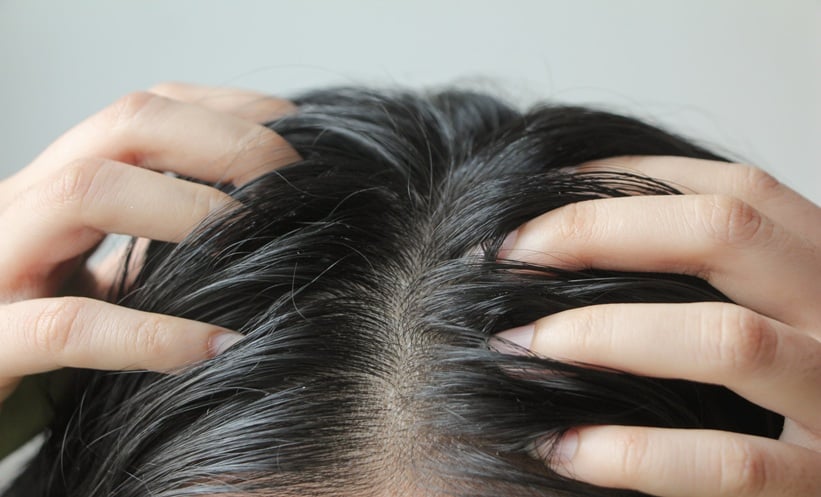
CLINICAL research on curly hair and scalp health reveals that sebum accumulation is driven by wash frequency rather than ethnicity. In dermatological care, understanding how daily hygiene habits influence cutaneous inflammation remains essential for treating scalp irritation and flaking. A comprehensive two-part international study recently evaluated healthy female panellists across multiple countries to determine whether intrinsic curl characteristics dictate physiological scalp properties or if behavioral washing practices drive these outcomes. Researchers utilized in vivo attenuated total reflection Fourier transform infrared spectroscopy alongside enzyme-linked immunosorbent assays to quantify sebum levels, lipid composition, surface pH, and inflammatory cytokines.
Initial baseline assessments revealed that individuals with highly coily Walker Type 4 hair maintained lower habitual wash frequencies, resulting in elevated sebum build-up, increased surface pH, and higher concentrations of pro-inflammatory cytokines such as interleukin-1 alpha and interleukin-1 receptor antagonist. However, after implementing a standardized controlled washing protocol across all cohorts for one week, these physiological discrepancies between hair curl types completely disappeared. Furthermore, spectroscopic analyses demonstrated that baseline sebum secretion rates, stratum corneum hydration patterns, and lipid breakdown products were comparable across all Walker hair categories once hygiene routines were normalized. Instead of inherent curl architecture driving dermatological disparities, chronological age emerged as the primary intrinsic factor influencing sebaceous gland activity and lipid composition.
These findings carry significant clinical relevance for physicians advising patients presenting with chronic scalp discomfort, scaling, or suspected dryness. Consumers frequently misinterpret scalp irritation as a lack of moisture, prompting counterproductive reductions in cleansing frequency or excessive application of cosmetic oils. Educating patients on optimizing curly hair and scalp health through regular washing can effectively reduce pro-inflammatory fatty acids, normalize surface pH, and alleviate subclinical inflammation. Dermatologists can utilize these insights to encourage structured hygiene regimens tailored to individual lifestyle needs rather than relying solely on racial or structural generalizations, ultimately improving patient comfort and long-term scalp homeostasis.
Reference
Gourion-Arsiquaud S et al. Hair curl type and scalp health, part 2: FTIR spectroscopy studies and analysis of inflammatory cytokines. Int J Cosmet Sci. 2026;48(Suppl 1):S18-S32.
Featured Image: jajam_e on Adobe Stock
Each article is made available under the terms of the Creative Commons Attribution-Non Commercial 4.0 License.