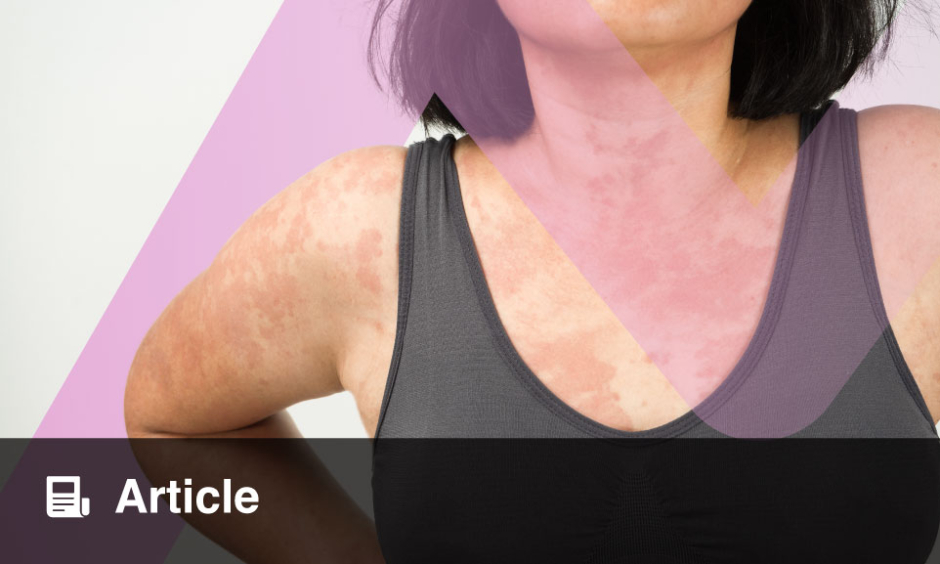
ROUTINE psoriatic arthritis screening in modern clinical dermatology practice significantly improves early detection for psoriasis care. A prospective study in an outpatient dermatology clinic found that routine psoriatic arthritis screening with the Psoriasis Epidemiology Screening Tool (PEST) significantly increased detection (P<0.001). Pairing biologic therapy with a Mediterranean diet was also linked to greater short term pain relief.
Why Psoriatic Arthritis Screening Matters in Dermatology
Psoriatic arthritis affects up to 30% of patients with psoriasis, corresponding to nearly 3 million people in the United States. Up to 20% progress to irreversible joint damage and severe functional limitations without timely treatment. Dermatologists are well positioned to catch the disease early, yet up to 40% of dermatology providers do not routinely screen. Limited visit time, lack of training in screening tools, and uncertainty about next steps are common barriers.
Screening Results and Predictors
The single center, nonrandomized controlled study enrolled adults with dermatologist confirmed psoriasis, who were screened with the PEST. Of 117 patients screened, 72 (61.5%) screened positive. That was a statistically significant increase compared with detection before routine screening was implemented (P<0.001). In logistic regression, pain severity was the only significant predictor of a positive screen (P<0.001).
Mediterranean Diet Plus Biologic Therapy and Pain Relief
Patients who screened positive chose either biologic therapy alone or biologic therapy plus a Mediterranean diet intervention. Pain severity was assessed at baseline and at 1 month, and one way ANOVA compared changes among treatment groups. Patients treated with guselkumab or secukinumab were evaluated with and without adherence to the diet. Guselkumab combined with the Mediterranean diet produced the greatest pain reduction at 1 month compared with biologic therapy alone (mean change 3.13 ± 1.12; P=0.01).
What It Means for Psoriatic Arthritis Screening in Practice
The findings suggest that the PEST, a validated, low cost instrument, can markedly raise detection within routine dermatology visits. Combining biologic therapy with dietary intervention was associated with greater short term pain reduction, supporting lifestyle counseling alongside pharmacologic management. Because patients self-selected their treatment and follow up lasted only 1 month, the dietary results are best read as associations rather than proof of benefit.
Reference
Czerkasij V et al. Implementing Psoriatic Arthritis Screening and Dietary Interventions in Dermatology Practice: A Prospective Clinical Study. J Drugs Dermatol. 2026;25(11):1033.