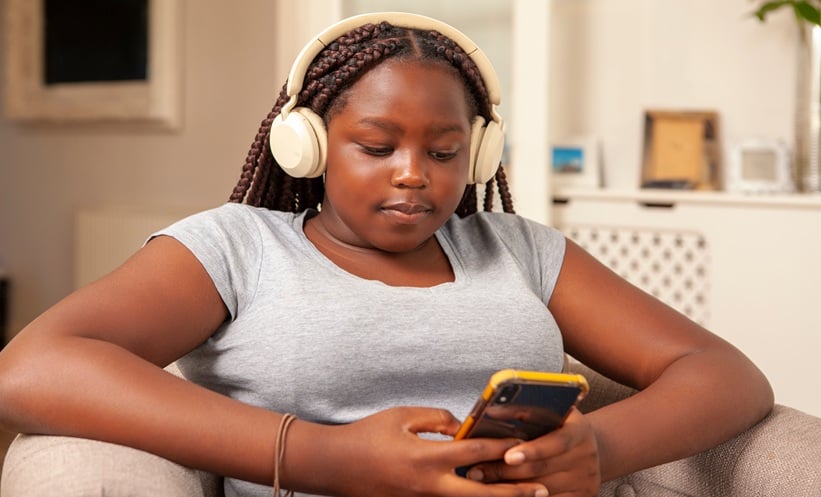
TIKTOK skin care routines among teens with skin of color are simpler than expected, but many still contain common contact allergens. Teens turn to “get ready with me” videos for advice on what to put on their faces, and until now little was known about what girls with skin of color are posting. A new analysis of 150 videos from 145 creators aged 18 and younger found routines that were leaner and cheaper than those in earlier work on mostly light-skinned creators, yet still not risk free.
What TikTok Skin Care Routines Reveal About Ingredients and Risk
Investigators created new accounts as 13-year-olds and collected videos from October to December 2025, excluding sponsored content. Every creator was a girl. Routines averaged 3.4 products (range 1 to 8) and 68 USD per regimen (range 6 USD to 337 USD), and only 38% of daytime routines included sunscreen. Among the 45 most viewed videos, the average was 4.7 active ingredients, with a maximum of 18. About 73% contained at least one contact allergen from a pediatric patch test panel, and fragrance was the most common, appearing in 42%.
Skin tone shaped the pattern. Dark-skinned creators favored moisturizers, and 30% of their routines applied petrolatum products to the face. The authors note that layering emollients may raise comedogenicity in acne-prone skin. Compared with earlier work, these TikTok skin care routines included half as many products, half as many potentially irritating actives, and half the cost, which suggests lower dermatologic harm.
Colorism Messaging in TikTok Skin Care Routines and Study Limits
The messaging was less reassuring. Creators described “brightening” products used on elbows and knees, areas of normal deeper pigment, and two dark-skinned creators called their skin “dirty” with no visible debris. The authors say this may reflect a light-skinned beauty ideal, which has been linked to lower self-esteem among African American adolescent girls with darker skin. Viewer comments were mostly supportive.
The study has limits. Investigators deliberately skewed the algorithm toward younger creators and skin of color, estimated ages in more than two thirds of cases, and nearly half of creators did not report race or ethnicity. The design also cannot show how viewing these videos changes skin care habits, rashes, or self-esteem. For clinicians, the findings point to a need for inclusive guidance on safe skin care and social media literacy when counseling teens about TikTok skin care routines.
Reference
Hales M et al. TikTok skin care routines among adolescents with skin of color. Int J Adolesc Med Health. 2026. doi:10.1515/ijamh-2026-0133