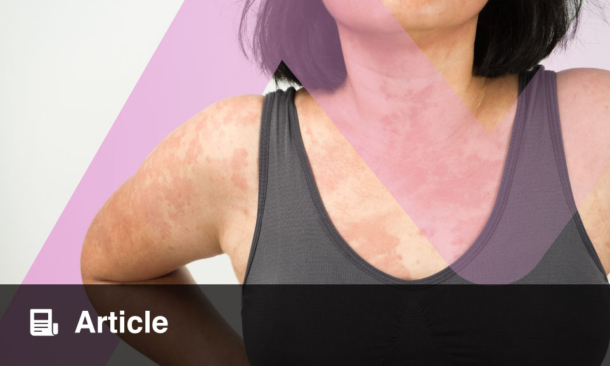
ROSACEA topical treatment has not gained a single new product since 2015, even though drug delivery research keeps advancing. For patients with sensitive skin, that means the same three drugs, metronidazole, azelaic acid, and ivermectin, still anchor care for a condition that usually needs long term management. A new review of the research explains why promising ideas have not made it to the clinic.
Why Rosacea Topical Treatment Has Stalled
Rosacea causes facial redness, visible capillaries, and pimples and pustules, and it can progress to lymphedema and rhinophyma. Many patients have sensitive skin, and side effects from current topical therapies have been shown to hurt adherence and outcomes. Only a few percent of the applied dose typically reaches the skin from marketed products, so better targeted delivery could allow lower doses and fewer side effects.
Researchers have tested microemulsions, nanoemulsions, liposomes, nanocrystals, lipid nanoparticles, and microneedles. Some results are encouraging. Microneedles delivered far more drug to deeper skin than conventional formulations, and in a small randomized trial in acne, a 10% azelaic acid nanocrystal hydrogel performed comparably to a stronger 20% cream. Ivermectin, which combines anti-inflammatory and anti-parasitic effects, has also reduced Demodex density in patients with rosacea.
Barriers Between the Lab and the Clinic
The authors found that many studies relied on poor models. Rodent skin is far more permeable than human skin, and regulators specify porcine or human skin for approval of new topical products. Several studies also applied much more product than the 10 to 20 mg/cm2 finite dose that mimics real use, which can overstate delivery and muddy any rosacea topical treatment comparison.
Tolerability is another hurdle. Microemulsions and nanoemulsions use relatively high amounts of surfactants, and it is not yet understood whether repeatedly breaching the skin barrier with microneedles could worsen rosacea. Manufacturing costs, scale up, sterilization, stability, and the absence of harmonized regulatory pathways add further obstacles. The reviewers also see an opening. Although patients present with overlapping subtypes, no topical fixed dose combination exists for rosacea, which they call a promising area for formulators. Until those gaps close, these technologies remain in the laboratory.
Reference
Ji C et al. Topical treatment of rosacea: update and outlook. Int J Pharm. 2026;703:127349.