Abstract
Sickle cell anaemia (SCA) results from the inheritance of two defective haemoglobin genes from both parents, where glutamic acid is substituted for valine at the sixth position. This leads to sickled red blood cells that occlude the blood vessels, resulting in haemolysis and low oxygen levels that are among the triggers of inflammation. The body’s normal physiological processes become disrupted, which affects the wellbeing of the affected individuals. This study assesses some inflammatory biomarkers in individuals with SCA attending Murtala Muhammad Specialist Hospital, Kano, Nigeria, to appraise the use of these biomarkers in disease management.
A total of 66 participants, both male and female, were recruited into the study, with a mean±SD age of 6.55±3.58 years, constituting case and control groups. The case group (n=41) were individuals with SCA registered in the sickle cell clinic of the area of study, while the control group (n=25) were apparently healthy individuals in the same age bracket. Haemoglobin electrophoresis was used to confirm the haemoglobin electrophoretic pattern of the participants. Three inflammatory biomarkers were analysed: the erythrocyte sedimentation rate (ESR), C-reactive protein (CRP), and fibrinogen. CRP and fibrinogen were analysed by the enzyme linked immunosorbent assay method, while ESR was analysed by the Westergren method.
There was a significant increase (p<0.05) in the assessed biomarkers in the test group compared to the controls in both the general group and among the genders. However, no significant difference (p>0.05) was observed among the different age groups. There was very weak positive correlation between the parameters (ESR, CRP, and fibrinogen), except the correlation between CRP and fibrinogen that indicated a significant weak positive correlation (r=0.313; p=0.01) with higher linearity (R2=0.098) than between ESR and other parameters.
The significant differences observed in this study indicated that these inflammatory biomarkers, especially CRP and fibrinogen, could serve as promising monitoring and evaluation tools in the management of sickle cell disease in determining the intensity and risk of crisis.
Key Points
1. Most individuals with sickle cell face crises accompanied with pain (which is one of the signs of inflammation.2. This retrospective study compares the inflammatory status of individuals with sickle cell disease with those of healthy controls.
3. C-reactive protein and fibrinogen may serve as good inflammatory biomarkers for monitoring inflammation due to crises in sickle cell disease.
INTRODUCTION
Sickle cell disease (SCD) is a genetic disease that is due to single nucleotide polymorphism of the β-haemoglobin gene in the first exon resulted from point mutation.1 It affects only a single amino acid without altering the general β-globin amino acid sequence. This leads to substitution of the amino acid glutamic acid with valine for haemoglobin S (HbS), thereby affecting the functionality of the haemoglobin.2 SCD is therefore a term used to describe a group of disease conditions caused by the inheritance of gene coding for HbS. The most severe and prevalent form is the homozygous haemoglobin SS (HbSS), inherited from both parents with the S allele in the β-globin gene.3 SCD and its variants are the most common genetic human blood disorders, with millions of individuals affected worldwide. Statistical reports of the prevalence differ globally, but approximately 4.4 million individuals were reported to have SCD globally, with approximately 300,000 infants born each year with this disorder.4
SCD signs and symptoms usually start manifesting in early childhood, when there is the switch from fetal haemoglobin to adult haemoglobin. The characteristic features associated with this disorder include: anaemia, periodic pain episodes, and repeated infections. The signs and symptoms in different individuals vary in severity. While some people tend to have mild health issues, some are faced with severe complications that result in frequent crises.5 Infants with SCD tend to be asymptomatic during the first few months of life, before the development of complications that last for a lifetime. This worsens as the individual ages, resulting into reoccurring pain, mostly involving bones and joints as a result of intermittent vaso-occlusive crises.4
The occurrence of complications associated with SCD is due to haemolysis caused by red cell injury, vaso-occlusion, and inflammation. These result from a number of triggers, including ischaemia-reperfusion injury, intravascular haemolysis,6 and priapism, a condition causing persistent painful penile erection with or without sexual arousal.7 The haemolysed sickled red blood cells interact with various types of blood cell and endothelial cells, leading to endothelial injury, microcirculation, oxidative stress, and chronic inflammation. These mechanisms together cause the painful vaso-occlusive crisis, and even cumulative organ damage.8 Individuals are also faced with other complications, such as haematuria as a result necrosis of renal papillary, chronic kidney disease, carcinoma of renal medullary, asymptomatic bacteriuria (in females), splenic infarction, and even sudden death after exertion.9
Inflammation is found to play a major role in the disease pathophysiology, but not all inflammatory pathways involved in the complications of SCD are known. To optimise management, the clinician therefore needs some parameters to predict the severity of the crisis and make the necessary approach towards effective management.10 Due to the harsh weather conditions in Kano, Nigeria, limited data availability in the area, and lifestyle and nutritional variations, the study therefore assesses some inflammatory biomarkers in individuals with SCD attending Murtala Muhammad Specialist Hospital, Kano, Nigeria, to complement existing national data.
MATERIALS AND METHODS
Research Design
The study is a descriptive, cross-sectional, retrospective study.
Study Location
The study was carried out at Murtala Muhammad Specialist Hospital, Kano, Nigeria.11
Study Subjects/Population
The participants for the study were individuals attending the sickle cell clinic with sickle cell anaemia (SCA) in a steady state who were on hydroxyurea. The control participants were apparently healthy individuals from the same geographical area.
Inclusion and Exclusion Criteria
All individuals diagnosed with SCA who were in a steady state without any other underlying illness and who had consented to participate in the study were recruited. Individuals with other underlying illnesses, individuals with sickle cell trait, and those that declined to participate were excluded from the study.
Sample Size Determination
The study sample size was calculated from the formula described by Fox et al.,12 where:
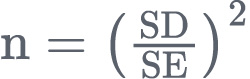
- n=the required sample size;
- SD=the standard deviation; and
- SE=the standard error of the mean.
Using a C-reactive protein (CRP) SD of 4.5 μg/mL from the study of Ugwu et al.,13 a marginal error of two, and a CI of 99%, a total sample size of 41, with a 20% attrition rate, and 25 controls were recruited.
Sample Collection and Storage
Samples were collected during the winter season with environmental temperatures ranging between 27–29 °C. Three millilitres of blood were collected from each participant into 3 mL bottles containing ethylenediaminetetraacetic acid by venipuncture, transported immediately under cold chain to an analysis laboratory. Plasma samples were separated and stored at −20 °C until ready for analysis.
Sample Analysis
Samples were analysed according to standard methods. CRP was determined using an enzyme linked immunosorbent assay test kit in accordance with the manufacturer’s instruction (PerkinElmer Health Sciences Inc., Shelton, Connecticut, USA).
Fibrinogen was determined using an enzyme linked immunosorbent assay test kit in accordance with the manufacturer’s instruction (Shanghai IdealMedical Technology Co., LTD., China), while erythrocyte sedimentation rate was carried out using the Westergren tube method.14
Statistical Analysis
Data obtained were presented in table and graph formats and analysed statistically with Statistical Package for Social Sciences (SPSS®; IBM Corporation, Armonk, New York, USA) version 27.0 software. Student t-test and one-way analysis of variance were used to analyse the statistical differences in categorical variables. While Pearson correlation was used to determine correlation between the variables, a p value of <0.05 was considered to be statistically significant at 95% CI.
RESULTS
A total of 66 samples were recruited for this study, constituting 41 individuals with SCA and 25 control individuals. The participants were both male and female, with a mean±SD age of 6.55±3.58 years grouped according to Munich Age Classification System (MACS) into the age brackets of 1–2 years, 3–5 years, and 6–14 years (Table 1).
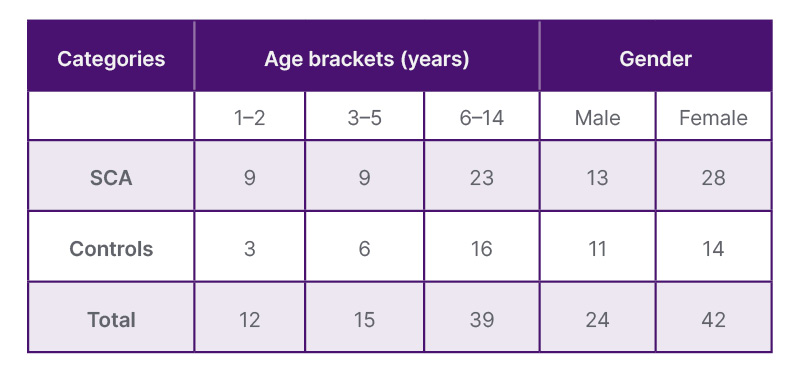
Table 1: Demographic data of SCA participants.
SCA: sickle cell anaemia.
The inflammatory biomarkers were significantly higher than those of the controls (p=0.001) in the general population (Table 2), while erythrocyte sedimentation rate (ESR) and fibrinogen were significantly higher in males than females (p=0.012 and p=0.003, respectively), and CRP level was significantly lower (p=0.001) in males than in females. CRP and fibrinogen were significantly higher (p<0.05) in the different age groups compared with the controls, but not significant in ESR levels. Correlations between the parameters were presented in Table 3, which shows non-significant (p>0.05) weak positive correlation, except in fibrinogen, where significant (p=0.010) weak positive correlation was observed.
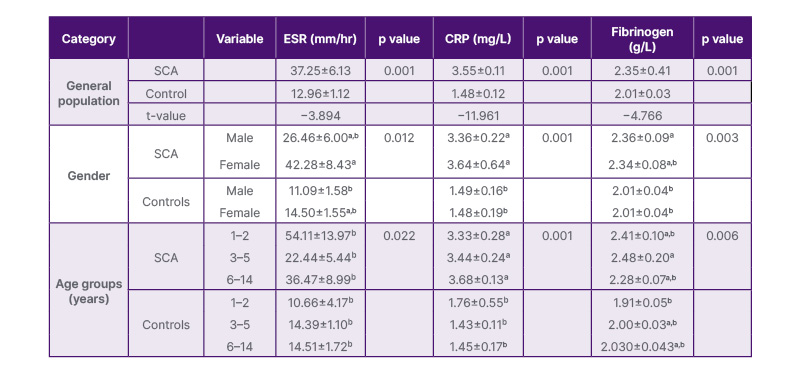
Table 2: Some inflammatory biomarkers levels in SCA participants and controls at different strata.
ᵃValues with this superscript are not significantly different (p>0.05).
ᵇValues with this superscript are not significantly different (p>0.05).
Values are mean±standard error of mean.
CRP: C-reactive protein; ESR: erythrocyte sedimentation rate; SCA: sickle cell anaemia.
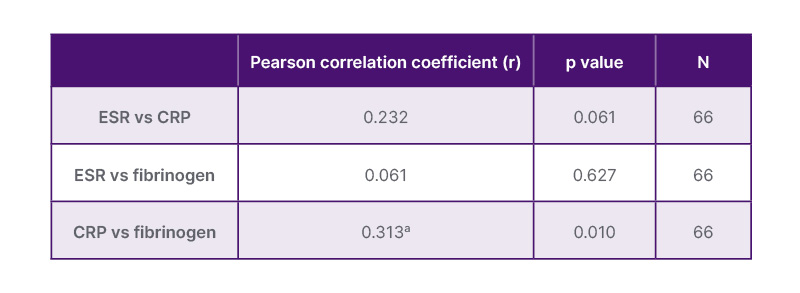
Table 3: Correlation between ESR, CRP, and fibrinogen levels in sickle cell anaemia participants.
ᵃCorrelation is significant at the 0.05 level (2-tailed).
CRP: C-reactive Protein; ESR: erythrocyte sedimentation rate; vs: versus.
DISCUSSION
Inflammation is one way the body responds to injury. Individuals with SCA are faced with recurrent tissue injury due to vaso-occlusive crises leading to stimulation of IL-6, which initiates inflammatory response.15 Response to inflammation by the body results in secretion of acute phase proteins, which can be elevated in the blood plasma. In this study, the assessed inflammatory biomarkers, ESR, CRP, and fibrinogen, in individuals with SCA were significantly (p<0.05) higher than those of the controls. The CRP plasma level of SCA (3.55±0.11 mg/L) was about 2.5 times higher than levels in the control group (1.48±0.12 mg/L). This was in agreement with similar studies by Okocha et al.,16 who also found a significant rise in CRP in SCA than the control subjects. However, Akpan et al.17 reported no significant increase in the level of CRP compared to the control subjects. The increase in CRP level can be due to bodily responses to constant challenge to the body physiological processes. The mean value obtained of 3.55 mg/L has entered a high-risk state in reference to the risk value classification from the study of Hebib et al.,18 who classify risk status values of ≤3.0 mg/L as low-risk, whereas values from 3.1–10.0 mg/L are classified as high-risk.
CRP functions physiologically in response to inflammation, tissue injury, bacteria, and fungi and yeast infections, rising from the basal level about 1,000-fold in around 48 hours. It eliminates pathogens and damaged cells through binding to chromatin, histones, glycans, and small ribonucleoprotein through calcium-dependent processes.19 When the pentameric form dissociates into monomeric, CRP can induce monocyte chemotaxis and promotion of neutrophil survival that may lead to inflammation amplification.20 A significant increase in the CRP levels was attributed to acute vaso-occlusive crises, but in steady-state is seen not to be significantly different from those of the controls.21 Significant increases in this study can also be attributed to the reduced atmospheric temperature (27–29 °C) due to the season when the samples were collected, compared to non-winter temperatures that are usually above 35 °C.
ESR is the rate at which the red cells sediment, which can be affected by several factors, including inflammation. During inflammation, the production of acute phase proteins can raise the value of ESR, which increases with age due to an increase in acute-phase protein production, and is higher in females than in males.21 This trend is in agreement with this study, where ESR values increased with age and were higher in females than males. The age effect on ESR was seen in both participants with SCA and control subjects, except in the age bracket of 1–2 years, which had an elevated value compared to the higher ages. This may be due to a switch from the fetal haemoglobin to sickle haemoglobin in this period of growth, resulting in the development of crises that call for inflammatory response.
Fibrinogen is majorly synthesised by the liver hepatocytes and forms a key plasma glycoprotein circulating at concentrations of 1.5–4.0 g/L in the bloodstream. It is a major component of fibrin, having a half-life of 3–5 days. During coagulation, fibrinogen is cleaved into a fibrin clot, mediated by thrombin to form a mesh network that stabilises blood clotting and halts bleeding, thereby enhancing wound healing.22 This study shows a significant (p=0.001) increase in the plasma level of fibrinogen in the group with SCA compared to the non-SCA controls, in line with the report from Kandji et al.23 The increase was more significant in the male participants than in the females, and in the early ages of 1–5 years than the late childhood ages of 6–14 years. This increase may be due to the cold environmental influence when the samples were taken, contributing to the rate of development of crisis, and also the constant replacement of fetal haemoglobin with adult haemoglobin at this age. Qualitative and quantitative changes in fibrinogen as a multifaceted protein are said to be influenced by genetic and environmental factors,24 which may account for the changes observed in this study.
Vascular injury during vaso-occlusive crises can lead to platelet activation and aggregation to initiate coagulation mechanism. Fibrinogen serves as a key factor in platelet aggregation mediation,24 which can therefore contribute to elevation of the blood level of fibrinogen. Elevated levels of fibrinogen in the study by Manfouo et al.25 serve as a risk factor for thrombosis, which can help in anticipating plasma hypercoagulopathy and viscosity. This is due to fibrinogen serving a role as a coagulation factor that promotes endothelial repair. Also, as fibrinogen has C3 complement function,26 increased fibrinogen concentration in the blood plasma may be seen in individuals with SCD who are infected with pathogens, especially in females.
Weak positive correlation existed between the three biomarkers (ESR, CRP, and fibrinogen) assessed, with the correlation more between CRP and fibrinogen. Gulhar et al.26 stated that fibrinogen correlates with ESR. This is inconsistent with the present study, where weak positive correlation (r=0.061; p=0.627) existed between ESR and fibrinogen. This correlation was partially linear (R2=0.004), indicating that an increase in fibrinogen cannot produce a relative increase in ESR. However, the weak positive correlation may be due to the molecular weight of fibrinogen (340 kDa). Fibrinogen being a soluble glycoprotein in the blood may be a contributing factor to the sedimentation rate of the red blood cells.22 The correlation between ESR and CRP (r=0.232; p=0.061) was more prominent than correlation between ESR and fibrinogen. This may be the result of the production of CRP in high amounts during the acute phase, which can also serve as an acute inflammatory response. CRP correlation with fibrinogen produces a significant correlation (r=0.313; p=0.01), with higher linearity (R2=0.098) than the other two correlations (ESR versus fibrinogen, and ESR versus CRP). This coefficient of determination (R2) implies a 9.8% likelihood of one of these two biomarkers (CRP versus fibrinogen) to change proportionally with respect to the other, indicating that they can serve as a good index for inflammatory assessment.
CONCLUSION
The assessed inflammatory biomarkers in individuals with SCD were significantly increased compared to the control individuals without SCD. Correlation between these markers showed weak positive correlation, with a significant correlation between CRP and fibrinogen. CRP and fibrinogen levels can serve as potential biomarkers in determining the severity of inflammation and give a clue on the development of crises in affected individuals.