DIALYSIS should not be the default treatment option for older people with kidney failure, according a first-of-its-kind study.
The UK study, led by the University of Bristol and Bristol NHS Foundation Trust, found that preparing for dialysis offered no clear advantage to survival or quality of life compared to preparing for conservative kidney care in older patients.
The findings, which could have “global implications”, challenge the routine use of dialysis preparation in older people with kidney failure and give patients and clinicians more evidence to consider when deciding on a treatment plan
Comparing Dialysis Preparation With Conservative Care
The Prepare for Kidney Care trial recruited 445 people from 31 kidney centres across the UK. Around three quarters were aged 80 or over, while those between the ages of 65 and 79 were eligible to take part if they were living with frailty or multiple other long-term conditions.
Patients were randomly assigned to prepare for dialysis or for an approach known as responsive management, a form of conservative kidney care which focuses on treating symptoms and preserving quality of life as kidney disease progresses.
Patients could change their plans during the trial, including choosing to start dialysis after initially beginning on the conservative care pathway.
After an average follow-up of 4.5 years, researchers found no statistically significant difference in quality-adjusted life-years, a measure that combines how long people live with their health-related quality of life.
The average was 1.35 years in the conservative care group and 1.47 years in the group preparing for dialysis. Hospital admission rates were also similar across the two groups.
What Dialysis Means for Daily Life
Overall, only 28% of those assigned to prepare for dialysis went on to start it, while participants in both groups were more likely to die from other causes than need dialysis, reflecting the vulnerability and complex health needs of this population.
Because the study examined what happened after patients began planning for one of the two approaches, the findings are most relevant to conversations before dialysis starts.
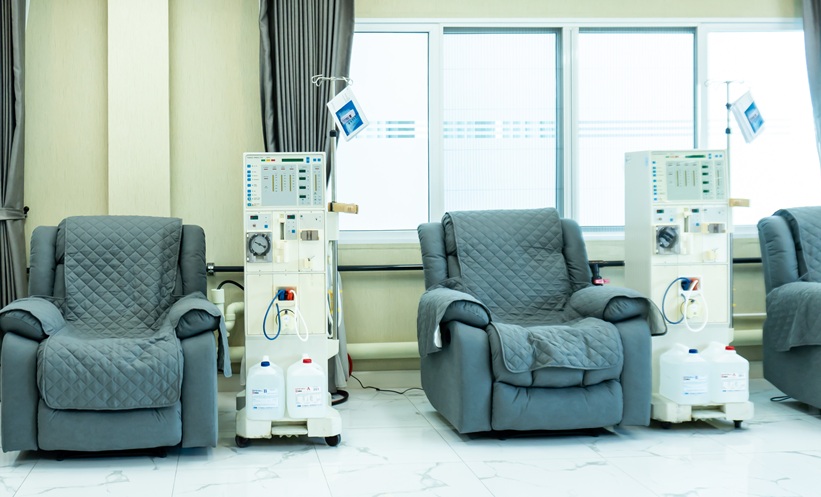
For patients who receive haemodialysis in hospital, treatment can involve three visits a week, each lasting around four hours. That commitment, along with travel and the risk of complications, can weigh heavily on patients who are already managing other health problems.
The researchers recommend discussing both care options with older patients and their families. For some patients, the decision may hinge on how symptoms can be managed at home.
For others, it may depend on what regular hospital visits would mean for their independence and daily routines. Those priorities can help patients and their kidney teams agree on a plan and revisit it if their health or preferences change.
The results, however, do not apply to people already receiving dialysis or to younger, fitter patients, for whom dialysis and transplantation should remain the standard of care.
‘Global Implications’ for Standard of Care
The trial is the first of its kind to explore and compare treatment approaches for people with kidney failure and whether non-invasive, active management-led treatment is effective in comparison to dialysis.
Fergus Caskey, Professor of Renal Medicine in Bristol Medical School, Consultant Nephrologist at Bristol NHS Foundation Trust, and project lead, said: “Our findings could have global implications for how kidney failure is discussed and managed in older patients living with multiple health conditions or frailty.
“This trial establishes that if you are an older person with failing kidneys and other health problems, both preparing for dialysis and conservative kidney management are worth considering. Both have pros and cons. They result in similar overall length and quality of life. Neither should be the default.”
Fiona Loud, Policy Director at the UK’s leading kidney patient support charity, Kidney Care UK, explained: “Making a treatment decision when you have kidney failure is extremely daunting, which is why it is vital that anyone facing it is given all the information, advice, and support to be able to make the right, informed, choice for them.
“These helpful findings should be studied with care and our NHS should be able to provide that care wherever a person lives.”