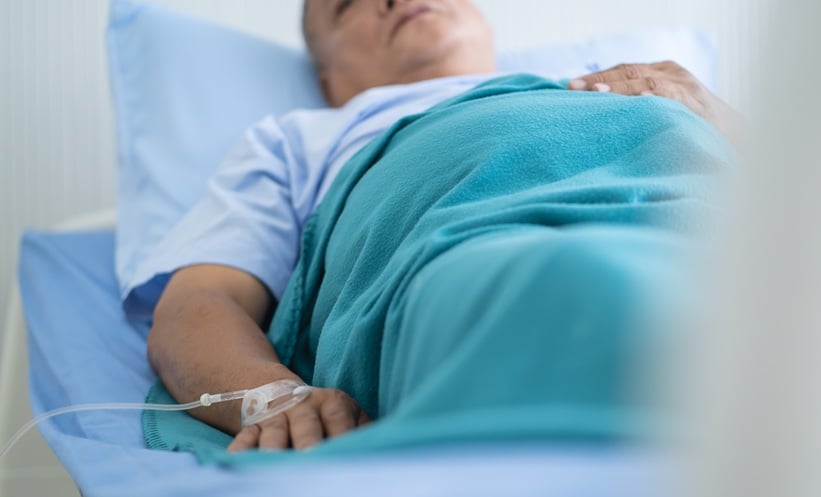
Liver cancer patients experiencing severe fatigue showed distinct differences in heart rate variability (HRV), according to an exploratory study of 66 people undergoing interventional therapy.
Fatigue was Associated with Changes in Heart Rate Variability
The cross-sectional study examined patients with hepatocellular carcinoma (HCC) who completed the Pittsburgh Sleep Quality Index (PSQI) and Fatigue Scale-14 (FS-14). Researchers also recorded a five-minute resting electrocardiogram to assess HRV.
Half of the participants met the study’s threshold for severe fatigue. Compared with those reporting milder symptoms, this group had a higher mean heart rate and differences across several HRV measures, including indicators associated with parasympathetic activity.
Eight HRV parameters differed significantly between fatigue groups after correction for multiple comparisons.
Mean Heart Rate Remained Associated with Severe Fatigue
In regression analyses adjusted for age, mean heart rate remained significantly associated with severe fatigue. The association also persisted in sensitivity analyses that accounted for or excluded patients with selected comorbidities.
The age-adjusted model showed an area under the receiver operating characteristic curve of 0.785, indicating potentially useful discrimination within this study sample.
The relationship between HRV and sleep quality was less conclusive. Although acceleration capacity and low-frequency HRV differed between sleep-quality groups in unadjusted comparisons, these differences did not remain statistically significant after correction for multiple comparisons.
Larger Studies Are Needed to Confirm Clinical Relevance
Researchers emphasised that the findings are preliminary. The study included only 66 patients, used a cross-sectional design and did not standardise the timing of questionnaires and ECG recordings relative to interventional procedures. Medication use and other clinical factors may also have influenced the results.
Consequently, the findings may not establish whether autonomic changes contribute to fatigue, arise because of symptoms or reflect shared underlying factors.
Larger, prospective, multicentre studies with standardised measurement protocols and more comprehensive clinical data may clarify these relationships and determine whether HRV could complement established symptom assessments in clinical practice.
Reference:
Xie B et al. Relationships among heart rate variability, sleep disturbances, and fatigue in patients undergoing interventional therapy for hepatocellular. Front Physiol. 2026.DOI; 10.3389/fphys.2026.1923785.