KAPOSI SARCOMA responded to chemotherapy in a small prospective study of people living with HIV who maintained long-term viral suppression, although eight participants experienced relapse during follow-up. The findings suggested that treatment remained effective for some patients, but maintaining long-term disease control could prove challenging even when HIV was well controlled.
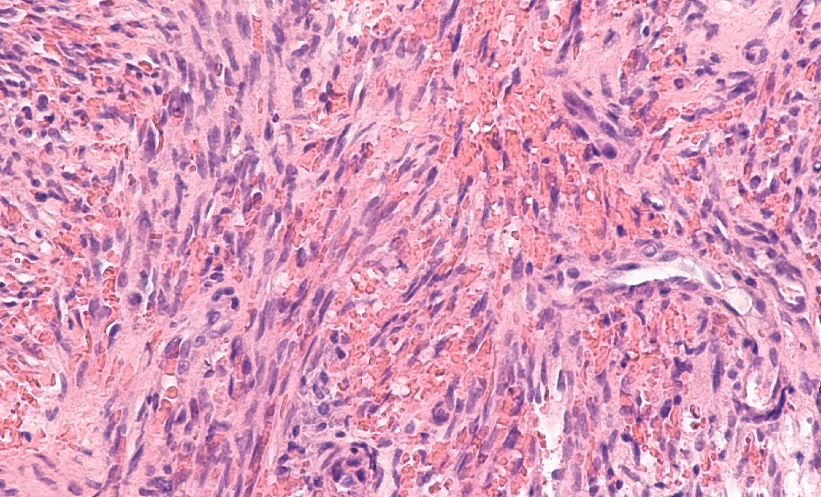
Kaposi sarcoma (KS) is a low-grade vascular tumour caused by Kaposi sarcoma herpesvirus (KSHV/HHV8). In people living with HIV, it is an AIDS-defining cancer that has become less common since the widespread use of combination antiretroviral therapy (cART). However, prospective evidence describing treatment outcomes in patients with sustained HIV virological control has been scarce.
Prospective Cohort Offers New Insight into Kaposi Sarcoma
Researchers followed 18 people living with HIV and active KS whose HIV viral load had remained below 200 copies/mL for more than 12 months while receiving cART. Cases were reviewed by the French Cancer HIV network between June 2021 and January 2023, with a median follow-up of 30.1 months.
Participants were predominantly male (94%), with a median age of 49 years. Fifteen had experienced at least one previous KS relapse before entering the study.
Seven participants achieved a partial response after treatment and remained relapse-free during a median follow-up of 16 months while maintaining HIV viral suppression. Eight participants experienced relapse despite continued virological control, with recurrence occurring after a median of six months following chemotherapy. Most relapses were confined to the skin, with only one participant developing visceral disease.
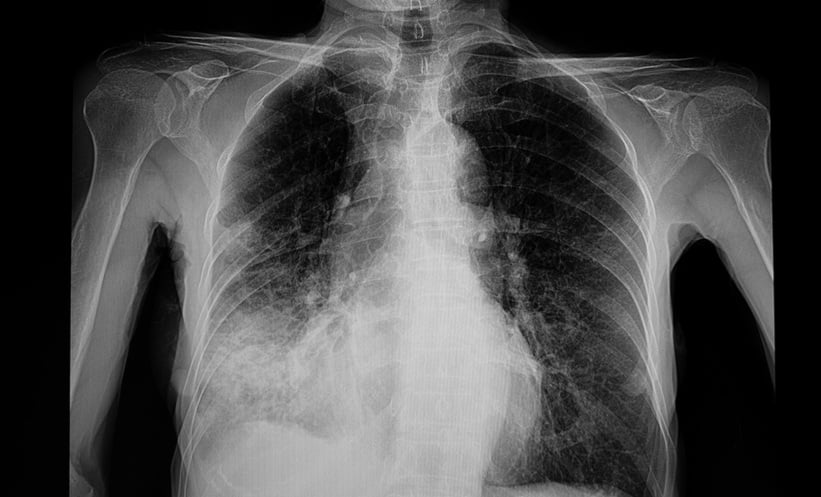
Two additional participants relapsed after interrupting cART and losing virological control. Both were readmitted with high HIV viral loads and developed active visceral KS. Both later died following respiratory distress, although the study did not attribute their deaths solely to KS.
Age and Treatment Toxicity Differed Between Groups
Among participants who maintained viral suppression, those who relapsed had a higher median age and longer duration of HIV virological control than those who remained relapse-free. However, the small sample size limits interpretation of these findings Previous KS relapse history did not differ between the groups, while CD4 counts and CD4/CD8 ratios remained stable throughout follow-up.
Treatment-related toxicity also influenced care. Anthracyclines were discontinued in three participants because of neutropenia, anorexia or ageusia, while taxanes were stopped in three others owing to neuropathy, reflecting the cumulative burden of repeated chemotherapy.
Findings Highlight the Need for Longer-Term Strategies
The investigators concluded that chemotherapy produced clinical responses in people with well-controlled HIV and KS, but relapse remained a challenge for some patients despite sustained viral suppression. They also found older age and longer duration of HIV virological control were observed more frequently among participants who relapsed, while cumulative toxicities could further limit therapeutic options.
Although the cohort was small, the prospective design provides evidence that may help inform future studies evaluating longer-term management strategies for this patient population.
Reference
Bacquart S et al. Outcomes of Kaposi sarcoma in people living with HIV who maintain long-term viral suppression: A prospective case-series. HIV Med. 2026;DOI:10.1111/hiv.70280.
Featured image: David A Litman on Adobe Stock