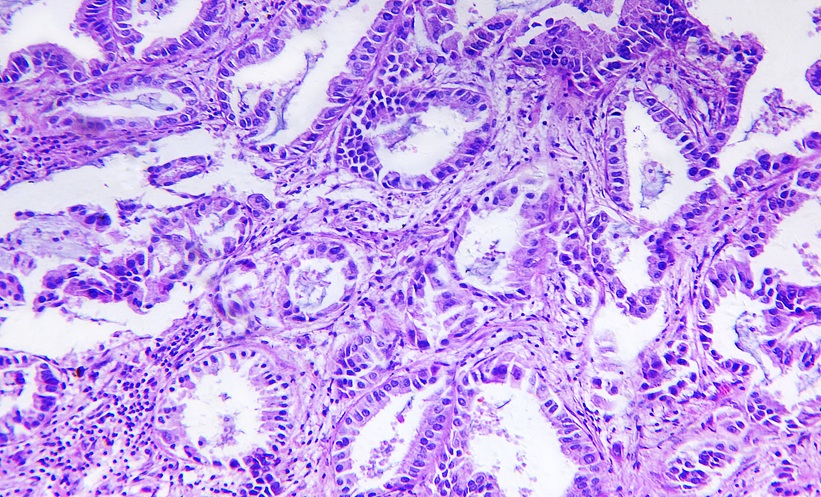
ADENOCARCINOMA of the adrenal cortex displays four distinct molecular subtypes with profound prognostic and therapeutic relevance. Utilizing integrated whole exome sequencing, RNA sequencing, and copy number profiling in 61 patients, investigators identified critical genomic patterns that redefine disease stratification. Consensus transcriptomic clustering established four clinically divergent classifications, comprising cortisol driven (14%), immune suppressed (40%), cell cycle altered (22%), and immunomodulatory (24%) subtypes.
Patients in the immunomodulatory adenocarcinoma cohort demonstrated favorable 5-year disease-free survival rates of 75%, characterized by elevated expression of HLA class II genes and enriched T cell receptor diversity. Conversely, the immune suppressed subtype exhibited the poorest clinical outcomes, with an 85% recurrence rate and a 15% 5-year progression-free survival rate. Tumors within this cold subset displayed marked downregulation of antigen processing machinery and focal HLA deletions, explaining the historically limited efficacy of immune checkpoint blockade in unselected populations.
Targeted Therapeutic Strategies for Aggressive Disease
Genomic profiling revealed recurrent somatic mutations across TP53 (25%), CTNNB1 (15%), NCOR2 (15%), and ZNRF3 (10%). Patients harboring Wnt pathway mutations experienced significantly worse disease-free survival, with a median recurrence window of 15.5 months compared to 36.0 months in wild type tumors. This beta catenin activation strongly correlated with the repression of T cell receptor signaling and elevated steroid biosynthesis, fostering an immune cold microenvironment that resists standard therapeutic interventions.
Somatic copy number analyses identified targetable focal amplifications that offer tailored treatment avenues for advanced adenocarcinoma cases. Tumors of the cell cycle altered subtype harbored recurrent amplifications in CDK4 and CCNE1, alongside high expression of CCND1 and E2F1, establishing a biological rationale for CDK4/6 inhibitor therapy. In contrast, the cortisol driven subtype displayed robust upregulation of steroidogenesis enzymes and ferroptosis pathways, presenting opportunities for glucocorticoid receptor antagonists and ferroptosis inducers. Ultimately, these genomic data provide an essential framework to replace empiric cytotoxic protocols with precision oncology tailored to individual tumor biology.
Reference
Wu L et al. Molecular subtyping of adrenocortical carcinoma reveals distinct subtypes with prognostic and therapeutic implications. Endocr Relat Cancer. 2026;33:e250342.
Featured Image: bondarau on Adobe Stock.