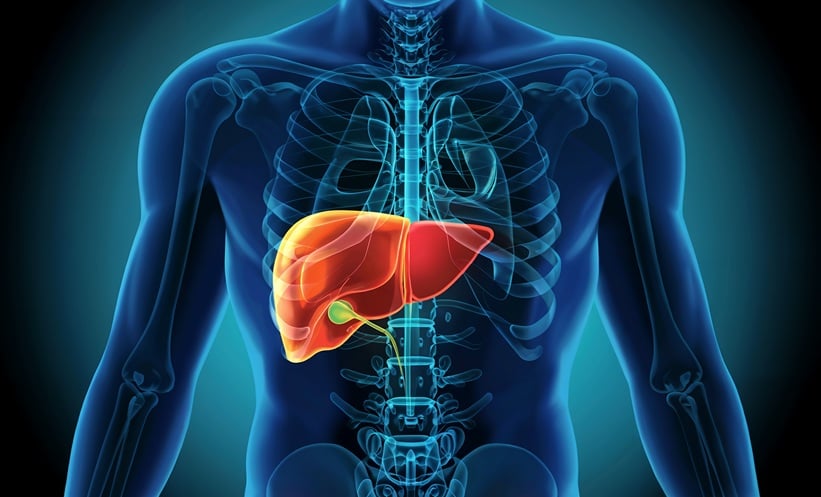
MULTI OMICS approaches could strengthen precision medicine for gallbladder cancer by identifying biomarkers, molecular subtypes, and therapeutic targets, according to a narrative review examining recent advances across multiple molecular technologies.
Gallbladder cancer remains the most aggressive malignancy of the biliary tract and is characterised by marked geographic variation, frequent late-stage diagnosis, and poor survival outcomes.
The review noted that conventional diagnostic and therapeutic approaches have been limited by the disease’s molecular heterogeneity. To address this, evidence from genomics, epigenomics, transcriptomics, proteomics, metabolomics, and microbiomics was synthesised to provide a more comprehensive picture of the biological mechanisms underlying tumour development and progression.
The review highlighted how integrating these complementary datasets has improved understanding of key molecular alterations, dysregulated signalling pathways, metabolic reprogramming, and epigenetic modifications associated with disease progression and therapeutic resistance. Collectively, these findings demonstrated the value of multi omics analyses for mapping the complex regulatory networks that drive gallbladder cancer.
Molecular Insights Supported Precision Oncology
Across the evidence reviewed, integrated multi omics approaches identified biomarkers, molecular subtypes, and actionable therapeutic targets with potential relevance for precision oncology. The authors emphasised that combining molecular information from multiple platforms could support earlier diagnosis, improve patient stratification, guide treatment selection, and enhance disease monitoring.
The review also highlighted the emerging role of integrated multi omics signatures in liquid biopsy platforms, suggesting that these approaches may offer less invasive methods for monitoring disease and supporting clinical decision making. In addition, the authors identified AI-driven integration of complex molecular datasets as a promising strategy for improving interpretation of increasingly large and diverse biological datasets.
Translation into Clinical Practice
Although the review identified considerable progress in understanding gallbladder cancer biology, several barriers to clinical implementation remain. These included limited biospecimen availability, underrepresentation of gallbladder cancer in global datasets, and the scarcity of gallbladder cancer specific clinical trials, all of which continue to restrict validation and translation of potential biomarkers into routine practice.
The authors concluded that future progress will depend on integrating multi omics technologies with AI, expanding the use of liquid biopsy, and developing adaptive clinical trial designs to support personalised therapeutic strategies. Overall, the review suggested that comprehensive molecular profiling offers a promising framework for advancing precision medicine and improving diagnosis, treatment selection, and clinical outcomes in gallbladder cancer.
Reference
Mishra J et al. Multi-omics roadmap to precision oncology in gallbladder cancer: From molecular architecture to clinical translation. Gene Reports. 2026;44:102592.
Featured image: Aminograpix on Adobe Stock.