Support: The publication of this article was funded by AstraZeneca.
Author: Helen Boreham1
1. HB Medical (UK) Ltd, Wetherby, UK
Disclosure: Evangelou has declared no conflicts of interest.
Keywords: Adjuvant, antibody–drug conjugate (ADC), DESTINY-Breast05, DESTINY-Breast11, early breast cancer (eBC), human epidermal growth factor receptor 2-positive (HER2+), neoadjuvant, trastuzumab deruxtecan (T-DXd).
Citation: Oncol AMJ. 2026;3[1]:32-41. https://doi.org/10.33590/oncolamj/4H047628
Meeting Summary
The evolving treatment landscape in human epidermal growth factor receptor 2-positive (HER2+) early breast cancer (eBC) featured in several presentations at the 2026 American Society of Clinical Oncology (ASCO) Annual Meeting, including updates from pivotal clinical trials, data on new therapeutic regimens, and key insights for clinical practice.Treatment of HER2+ eBC is being reshaped by a move away from anthracycline-based chemotherapy and towards antibody–drug conjugate (ADC) regimens with improved efficacy and tolerability profiles. Trastuzumab deruxtecan (T-DXd) has recently been approved by the FDA in both the neoadjuvant and adjuvant settings for patients with HER2+ eBC based on results from the pivotal DESTINY-Breast11 and DESTINY-Breast05 trials, respectively. In DESTINY-Breast11, neoadjuvant treatment with T-DXd followed by paclitaxel, trastuzumab, and pertuzumab (THP) demonstrated a statistically significant and clinically meaningful improvement in pathological complete response (pCR) rate compared to dose-dense doxorubicin plus cyclophosphamide and THP (ddAC-THP). In DESTINY-Breast05, T-DXd showed superior efficacy versus trastuzumab emtansine (T-DM1) in patients with HER2+ eBC with residual invasive disease after neoadjuvant chemotherapy and high risk of recurrence. Secondary analysis of the DESTINY-Breast05 study was presented at this year’s ASCO meeting, helping to further establish the pulmonary safety profile of T‑DXd with radiotherapy (RT) and support its clinical practice use. Collectively, data from DESTINY-Breast11 and DESTINY-Breast05 are helping to redefine the role of T-DXd as both neoadjuvant and adjuvant therapy for HER2+ eBC, signaling a shift towards more curative-intent treatment settings.
The Evolving Role of ADCs in Breast Cancer
Highlights of the year in breast cancer (BC) were discussed by William Gradishar from Northwestern University in Evanston, Illinois, USA, during a special session at ASCO 2026, focusing on optimal management with ADCs across BC stages and subtypes.1 Gradishar explained how findings from pivotal Phase III trials of ADCs, such as the DESTINY-Breast11 study of T-DXd, have helped to transform the management of HER2+ eBC.1-3
Focus on DESTINY-Breast11
The DESTINY-Breast11 study was designed to address the unmet need for more effective and less toxic neoadjuvant regimens for HER2+ eBC.1-3 This randomized, global, multicenter, open-label Phase III study enrolled patients with previously untreated HER2+ eBC who were high risk, as defined by ≥cT3 and cN0–3 or cT0–4 and cN1–3, or inflammatory BC (Figure 1). The primary endpoint was pCR, which is a prognostic factor for event-free survival and overall survival in HER2+ eBC and provides essential information to support clinical decision-making.4-6 In total, 321 patients were randomized to T-DXd-THP, 320 to ddAC-THP (which was standard of care [SoC] at the time of study inception), and 286 to T-DXd monotherapy (this arm was closed early).2,3
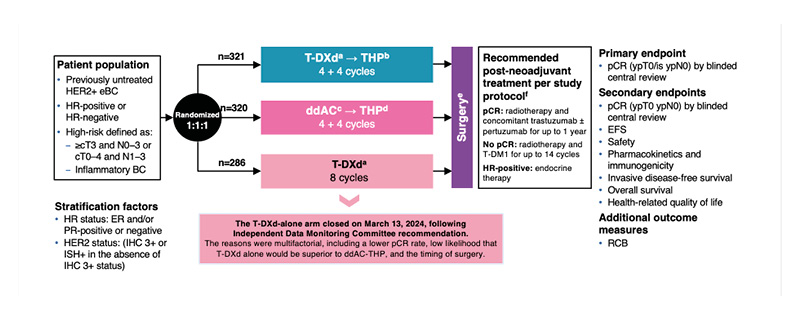
Figure 1: DESTINY-Breast11 study design.2,3
a5.4 mg/kg Q3W.
bPaclitaxel (80 mg/m2 QW) + trastuzumab (6 mg/kg Q3W) + pertuzumab (840 mg loading dose followed by 420 mg Q3W).
cDoxorubicin (60 mg/m2 Q2W) + cyclophosphamide (600 mg/m2 Q2W).
dPaclitaxel (80 mg/m2 QW) + trastuzumab (8 mg/kg loading dose followed by 6 mg/kg Q3W) + pertuzumab (840 mg loading dose followed by 420 mg Q3W).
eThe recommended window for surgery was 3–6 weeks following administration of the last dose of neoadjuvant study treatment.
fAdministered as part of the patient’s SoC at the investigator’s discretion.
High-resolution CT chest scans were performed every 6 weeks during treatment. If ILD/pneumonitis was suspected while receiving T-DXd, treatment was interrupted and a full investigation completed. Echocardiograms or multigated acquisition scans were performed during screening (<28 days prior to randomization), during treatment (<3 days before cycle 5), and at end of treatment to assess left ventricular ejection fraction.
BC: breast cancer; ddAC-THP: dose-dense doxorubicin plus cyclophosphamide and THP; EFS: event-free survival; ER: estrogen receptor; HER2+: human epidermal growth factor receptor 2-positive; HR: hormone receptor; IHC: immunohistochemistry; ISH: in situ hybridization; ITT: intention-to-treat; pCR: pathological complete response; PR: progesterone receptor; QW: once weekly; Q2W: once every two weeks; Q3W: once every three weeks; RCB: residual cancer burden; SoC: standard of care; T-DXd: trastuzumab deruxtecan; THP: paclitaxel, trastuzumab, and pertuzumab.
In results from the DESTINY-Breast11 study, originally presented at the European Society for Medical Oncology (ESMO) Congress in 2025, more than two-thirds (67.3% of patients) treated with T-DXd-THP achieved the primary endpoint of pCR compared with 56.3% in the ddAC-THP arm (Figure 2).2,3 Improvement in pCR for T-DXd-THP versus ddAC-THP was observed in both patients who were hormone receptor (HR) positive and negative, and across most pre-specified subgroups.2,3 Gradishar described this result as “the highest pCR rate we have seen in a patient population with either HR positive or negative disease.”1
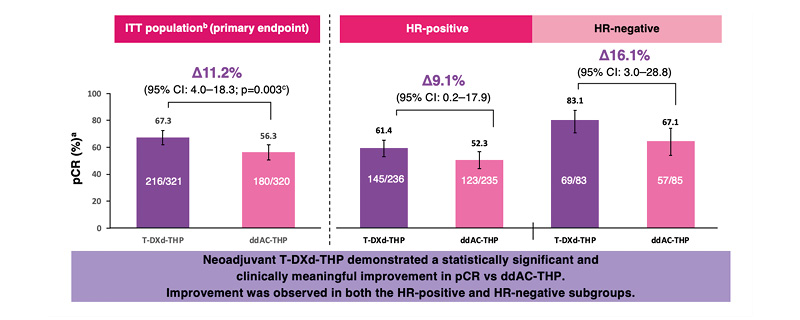
Figure 2: pCR primary endpoint results from the DESTINY-Breast11 study of T-DXd.2,3
aBy blinded central review.
bpCR responders were defined as patients who only received randomized study treatment (at least one dose) and had pCR.
cTwo-sided p value crossed the 0.03 prespecified boundary.
For the ITT population, treatment effects were estimated by the difference in pCR with 95% CIs and p values based on the stratified Miettinen and Nurminen’s method, with strata weighting by sample size (i.e., Mantel-Haenszel weights). Patients with no valid records regarding pCR status for any reason were considered to be non-responders (including but not limited to withdrawal from the study, progression of disease or death before surgery, lack of surgical specimen, or defined as not evaluable by the central pathologist). Subgroup analyses were unstratified.
ddAC-THP: dose-dense doxorubicin plus cyclophosphamide and THP; HR: hormone receptor; ITT: intention-to-treat; pCR: pathological complete response; T-DXd: trastuzumab deruxtecan; THP: paclitaxel, trastuzumab, and pertuzumab; vs: versus.
Analysis of the residual cancer burden (RCB) index in DESTINY-Breast11, presented at ESMO Breast 2026, showed that the extent of residual disease was also reduced with T-DXd-THP versus ddAC-THP in patients who did not achieve pCR.7 RCB is a validated predictor of long-term survival that is complementary to pCR.8 The improvements in RCB with T-DXd-THP were driven by an increase in patients with favorable RCB-0 and RCB-I classes, and a shift from the RCB-II class. After surgery, 81.3% of patients who received neoadjuvant treatment with T-DXd-THP had no or minimal residual invasive cancer (RCB-0 + I) detected in the resected breast or lymph node tissue versus 69.1% of those receiving ddAC-THP. Almost 80% of patients with HR-positive disease had RCB-0 + I with T-DXd-THP.3,7
In the DESTINY-Breast11 trial, T-DXd-THP demonstrated a favorable safety profile compared with ddAC-THP, with no new safety signals identified. Rates of Grade ≥3 adverse events (AE), serious AEs, and AEs leading to treatment interruption were all consistently lower in the T-DXd-THP arm as compared to the ddAC-THP arm. Rates of all-grade adjudicated drug-related interstitial lung disease (ILD) and pneumonitis were low and similar across all arms, and Grade ≥3 events occurred most frequently with ddAC-THP. Rates of ILD/pneumonitis remained stable (T-DXd-THP) and were higher (ddAC-THP) in the THP phase (cycles 5–8) versus cycles 1–4.9
Collectively, these efficacy and safety results from DESTINY-Breast11 support T-DXd-THP as a neoadjuvant treatment option for eligible patients with HER2+ eBC and have led to its recent FDA approval in this setting. T-DXd-THP is now indicated in the USA for the neoadjuvant treatment of adult patients with HER2+ (immunohistochemistry [IHC] 3+ or in situ hybridization [ISH]-positive) Stage II or III BC, as determined by an FDA-authorized test.10
Future Directions in ADCs
ADCs like T-DXd are a rapidly advancing field in oncology, with over 200 agents now in clinical development, the majority deploying topoisomerase 1 (TOPO1) inhibitor or auristatin payloads.11 Novel ADC targets and payloads are also an active area of investigation encompassing not only traditional chemotherapy drugs, but also dual-payload ADCs, immunostimulatory agents, protein degraders, and radioisotopes. As Gradishar explained, a key theme moving forward will be combination strategies in BC treatment, using ADCs alongside immunotherapy or other targeted agents.1 Gradishar also raised important clinical questions around ADCs that still need to be addressed in BC, including optimal sequencing of these agents and determining ‘what should come first’. This is particularly important as ADCs move into earlier lines of BC treatment including (neo)adjuvant therapy and first-line treatment of metastatic disease. There is also a need to better understand mechanisms of resistance and response to ADCs, an area where predictive biomarkers will play a key role. All these questions will hopefully be answered by ongoing concluded trials and further interrogation of data from existing studies, Gradishar concluded.1
Updated Safety Analysis From DESTINY-Breast05
DESTINY-Breast05 was a global, multicenter, randomized, open-label Phase III trial involving patients with residual disease in the breast or axillary lymph nodes after neoadjuvant chemotherapy plus HER2-directed therapy, and with high risk of recurrence. In this study, adjuvant treatment with T-DXd improved invasive disease-free survival (IDFS) by 53% compared with T-DM1 (hazard ratio: 0.47; 95% CI: 0.34–0.66; p<0.001).12,13 Based on the results of DESTINY-Breast05, T-DXd is now approved in the USA as adjuvant treatment for adult patients with HER2+ (IHC 3+ or ISH+) BC who have residual invasive disease following neoadjuvant trastuzumab (with or without pertuzumab) and taxane-based treatment.10
Secondary safety analysis of the DESTINY-Breast05 study, further exploring clinical and demographic risk factors for ILD and radiation pneumonitis (RP), was presented at ASCO 2026 by Michael Untch from the Breast Cancer Center at Helios Hospital Berlin-Buch in Germany.14
As Untch explained, the DESTINY-Breast05 population, patients with HER2+ eBC plus residual invasive disease and high risk of recurrence, represent a group in which RT is broadly used in clinical practice. In DESTINY-Breast05, protocol-specific CT requirements were used to identify ILD and RP in patients receiving adjuvant RT alongside ADC therapy. All patients in the study underwent low-dose, non-contrast CT at baseline as part of screening. Chest CT was also performed in all patients receiving adjuvant RT prior to infusion at cycles 3, 7, and 11, and at 40 (+7) days follow-up, and in patients receiving sequential adjuvant RT after completion of RT and prior to the first infusion.14
If any signs or symptoms of RP or drug-related ILD appeared during the study, an additional chest CT was recommended. CT scans showing ILD or RP underwent blinded central adjudication. Causal association between study drug and ILD/RP events was based on the timing and location of radiographic abnormalities relative to the radiation treatment. Cases of ILD and RP arising in DESTINY-Breast05 were treated according to recommended management guidelines:14
For drug-related ILD:
- Grade 1: Interrupt T-DXd and consider steroids; restart T-DXd only after full resolution (Grade 0)
- Grade 2: Permanently discontinue T-DXd and initiate steroids (symptomatic with radiographic abnormalities)
- Grade 3–4: Discontinue study treatment and initiate steroids
For radiation-related pulmonary toxicity:
- Grade 1: Maintain T-DXd dose
- Grade 2: Interrupt and manage per SoC (e.g., steroids) until recovery to Grade ≤1 (asymptomatic)
- Grade 3–4: Discontinue study treatment and initiate steroids
Adjudicated drug-related ILD events occurred in approximately 10% of patients treated with T-DXd and investigator-reported RP in around 30%, according to updated pulmonary safety outcomes from the July 2, 2025 data cut-off (DCO) in DESTINY-Breast05 (Figure 3).14 The majority of ILD events were Grade 1 or 2. Most patients with ILD had recovered or were recovering by DCO: 77.9% in the T-DXd arm and 92.3% in the T-DM1 arm, independently of adjuvant RT timing. As with ILD, most RP events were Grade 1 or 2; however, as Untch explained, the recovery period was longer. RP events had resolved or were resolving in 54.2% of T-DXd patients and 61.6% of T-DM1 at DCO; median duration was similar in both arms.14
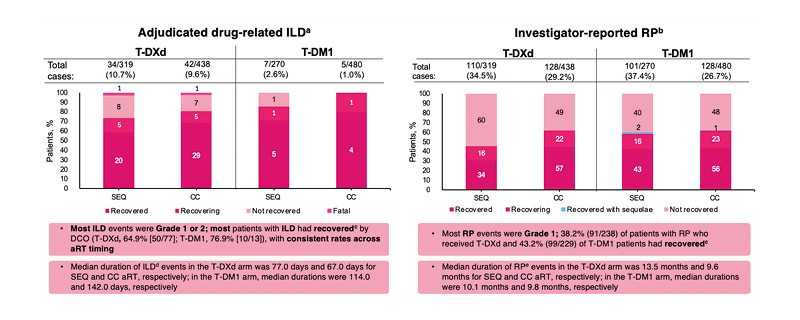
Figure 3: Adjudicated drug-related ILD and investigator-reported RP in DESTINY-Breast05.14
aThe outcome of the worst ILD event denominator is based on the number of patients with adjudicated drug-related ILD events.
bRP grouped terms include the following MedDRA preferred terms: pulmonary radiation injury, radiation alveolitis, radiation bronchitis, radiation fibrosis – lung, radiation pneumonitis.
cRecovery/resolution is defined as Grade 0 (no radiographic abnormalities). Recovery of RP to Grade 0 may take up to 1 year.
dDuration of first ILD = investigator-reported end date – investigator-reported onset date + 1. End date will be censored for ongoing ILDs.
eDuration of first investigator-reported RP = investigator-reported end date – investigator-reported onset date + 1. End date will be censored for ongoing events.
Stacked bars show percentages of patients; numbers inside bars are counts (n).
aRT: adjuvant radiotherapy; CC: concurrent; DCO: data cutoff; ILD: interstitial lung disease; RP: radiation pneumonitis; SEQ: sequential; T-DM1: trastuzumab emtansine; T-DXd: trastuzumab deruxtecan.
The next safety question considered was whether occurrence of a first pulmonary safety event during T-DXd treatment increased the risk of subsequent events. “The clear answer is no,” remarked Untch. Results from an updated analysis of DESTINY-Breast05 showed that neither adjudicated drug-related ILD nor investigator-reported RP as a first event increased the risk of subsequent adjudicated drug-related ILD or investigator-reported RP. Similarly, investigator-reported RP did not increase the risk of subsequent adjudicated drug-related ILD or investigator-reported RP. Where they did rarely occur after a first event, subsequent adjudicated drug-related ILD and investigator-reported RP events were all low grade (Grade 1–2).14
Additional analysis of DESTINY-Breast05 also revealed an influence of region and baseline renal function on adjudicated drug-related ILD and investigator-reported RP rates. In both treatment arms, higher rates of adjudicated drug-related ILD and RP were observed in patients from Japan versus outside Japan and the rest of Asia. Rates of adjudicated drug-related ILD and RP, respectively, in the T-DXd arm were 14.9% and 47.1% in patients from Japan compared to 8.3% and 38.5% for Asia (excludes Japan) and 8.9% and 27.4% for global (excludes Japan).14 These regional differences are “as expected,” Untch confirmed, based on a prior pooled analysis.15 Across treatment arms, adjudicated drug-related ILD rates were higher in patients with moderate renal impairment compared to those with mild impairment and normal kidney function.14
Overall, these updated safety data from DESTINY-Breast05 presented at ASCO 2026 further reinforce the feasibility of using T-DXd in clinical practice in the context of adjuvant RT. Adjudicated drug-related ILD and RP events were mostly low grade and reversible with treatment management guidelines and, at the time of the analysis, had resolved or were resolving in the majority of patients.14
As Untch concluded: “This analysis further establishes the pulmonary safety profile of T‑DXd with RT, complementing its superior efficacy and supporting the adoption of T-DXd as a new post-neoadjuvant SoC.”14
Other Key Updates in the HER2+ eBC Arena
Emerging Real-World Evidence
Alongside data from clinical trials, real-world evidence is important to guide and inform the integration of ADCs in the real-world clinical management of HER2+ eBC.16,17
Results from a retrospective cohort study presented at ASCO 2026 estimated the prevalence and associated outcomes among patients with HER2+ eBC and residual disease meeting eligibility criteria for DESTINY-Breast05 versus KATHERINE in a US real-world setting. The KATHERINE trial first established adjuvant T-DM1 as SoC for patients with HER2+ eBC and residual invasive disease following neoadjuvant therapy. However, while KATHERINE included any residual disease, DESTINY-Breast05 restricted eligibility to high-risk patients (inoperable at presentation or ypN+ at surgery). A total of 9,561 patients with HER2+ eBC and residual disease after neoadjuvant therapy were included in this real-world study; 99% (n=9,447) met KATHERINE eligibility criteria while only 48% (n=4,567) met DESTINY-Breast05 high-risk criteria. DESTINY-Breast05 eligible patients experienced a 3-year distant recurrence-free survival of 82% and 3-year overall survival of 91%. However, authors acknowledged that ADCs were not widely available for eBC during the study period, hence the observed outcomes may not fully reflect their potential treatment effect and impact on distant recurrence-free survival in the real-world setting.17
A further real-world Italian study conducted at the European Institute of Oncology in Milan, Italy, set out to benchmark outcomes with post-neoadjuvant T-DM1 and contextualize this against emerging T-DXd strategies in routine practice. A total of 187 patients were included in the study, of whom 32% met inclusion criteria for DESTINY-Breast11, 3% for DESTINY-Breast05, and 25% for both. At a median follow up of 30.4 months, the real-world 3-year IDFS rate was 97% with T-DM1.16
Chemotherapy De-escalation
Chemotherapy de-escalation was a particularly common theme at ASCO 2026, reflecting continued efforts to develop effective combination regimens for HER2+ eBC with reduced toxicity compared to SoC.
In the neoadjuvant setting, the Phase III multicenter HELEN-HER 013 study in patients with operable Stage I–II HER2+ BC (n=610) showed that the chemotherapy-de-escalated regimen of nanoparticle albumin-bound paclitaxel and trastuzumab plus the tyrosine kinase inhibitor pyrotinib (nab-PHPy) was non-inferior to SoC docetaxel/carboplatin/trastuzumab/pertuzumab (TCHP), with a pCR rate of 63.1% versus 59.2%. Authors concluded that the distinct toxicity profile of the nab-PHPy regimen, notably reduced anemia and less nausea, may support its role as an alternative neoadjuvant strategy for HER2+ eBC.18
Similarly, a prospective study evaluating a short-course (12-week) de-escalated carboplatin- and anthracycline-free regimen of THP in HER2+ eBC showed a pCR rate of 82% in HR-negative patients. Authors suggested this neoadjuvant regimen may represent a promising ‘chemo-light’ option for selected patients, potentially guiding future de-escalation strategies in personalized oncology.19 A further Phase II study disclosed at ASCO 2026 showed promising early results for the fully oral neoadjuvant regimen of pyrotinib, subcutaneous trastuzumab, and capecitabine in HER2+ eBC.20
In the adjuvant setting, pyrotinib plus nab-paclitaxel showed a promising 3-year IDFS rate and a manageable safety profile in patients with low-risk, HER2+ eBC in the Phase II PHAEDRA trial, representing a potential oral de-escalation strategy for this population.21 Similarly, in IRIS-A, a Phase II, single-arm trial in Stage IA HER2+ BC, oral capecitabine plus trastuzumab demonstrated a 5-year IDFS rate of 97.9% and benefited from reduced toxicity compared with SoC intravenous chemotherapy.22
New Drugs in the Pipeline
Despite recent therapeutic advances, new treatment options and novel combinations are still needed to improve long-term outcomes in HER2+ eBC, and a number of studies at ASCO 2026 looked at new agents and regimens in clinical development.
In the Phase II neoHIP trial, neoadjuvant THP plus pembrolizumab was associated with a 100% event-free survival rate after 37 months of follow-up in patients with HER2+ eBC, supporting further Phase III evaluation of this combination.23 The Phase II TORCH trial evaluated another novel combination comprising the programmed death protein 1 (PD-1) inhibitor toripalimab, dual HER2 blockade with inetetamab and pertuzumab, and nab‑paclitaxel. This quadruplet therapy showed promising efficacy and manageable toxicity in the neoadjuvant setting for HER2+ BC.24
Another ongoing Phase II clinical trial is evaluating SHR-A1811 (ruikang-trastuzumab), a next-generation HER2+-directed ADC conjugated to a TOPO1 inhibitor, as a potential chemotherapy-free neoadjuvant strategy for HER2+ HR- BC.25
In addition to ADCs and immunotherapy, the Phase II NATASHA study is evaluating intratumoral dendritic cell therapy prior to neoadjuvant chemotherapy in HER2+ eBC. Preliminary results showed improved pathologic tumor response rate, particularly in HR- patients.26
Wider Clinical Context in eBC
In addition to treatment of the cancer itself, side-effect management and patient quality of life are vital components of overall BC care, as reflected in several presentations at this year’s ASCO. Studies at ASCO 2026 looked at the relief of vasomotor symptoms associated with hormone-blocking BC treatment, as well as the impact of diet and physical activity on patient health and recurrence risk.27,28 There was also a focus on emerging areas in eBC, such as response biomarkers and the increasing use of AI in diagnosis and risk prognostication.29,30 Unfortunately, as in many areas of oncology, evidence of socioeconomic and racial disparity persists in BC management, which may restrict the availability and access to new advances in therapy for some patients.31
Conclusion
New data disclosures at ASCO 2026 illustrate how the treatment landscape in HER2+ eBC is continuing to advance, with the overarching goal of improving clinical outcomes for patients. T-DXd is now approved in the USA for both neoadjuvant and adjuvant therapy of HER2+ eBC and included in updated NCCN guidelines as a category one recommended adjuvant treatment for patients with residual disease and high recurrence risk, and as a primary option (followed by THP) for Stage II-III HER2+ eBC.32 This new therapeutic positioning, supported by data from the pivotal DESTINY-Breast05 and 11 studies, signals a movement of T-DXd into curative-intent, early-stage treatment approaches for eligible patients, spanning both adjuvant and post-neoadjuvant settings.